
Oxford Sustainable Business Programme
In brief
| Dates | 18-22 October 2027 |
|---|---|
| Format | In person |
| Location | Oxford, UK |
| Register |
|
| Fees | £8,500 plus accommodation (£1,200) |
Overview
This unique cross-University programme leverages the research and experience of Saïd Business School, the Smith School of Enterprise and the Environment and Oxford Net Zero to empower you to design and deliver effective strategies for your organisation.
You will be immersed at the global epicentre of sustainable business education, steeped in 900 years of history and influence.
In 2026, Oxford University was best in the world for the eleventh consecutive year (Times Higher Education), Saïd Business School won ‘Best School’ and ‘Best Academic Research’ in the Financial Times Responsible Business Education Awards, and the Smith School’s MSc in Sustainability, Enterprise and the Environment was the most applied-to graduate programme per place across Oxford.
You will be taught by the world’s leading thinkers whose work underpins global concepts from business purpose to net zero itself, and who will guide you to develop a personalised action plan for your business.
Programme pillars
The programme is built on three key pillars:
- Innovation and strategy: Actionable, world-leading insights on change management, risk, innovation and opportunities associated with sustainability for your company
- Science: Cutting-edge knowledge of core sustainability principles, including credible approaches to offsets and transition planning
- Standards and regulatory context: Executive-level understanding of the trends in expectations of companies and how you can lead in today’s uncertain context
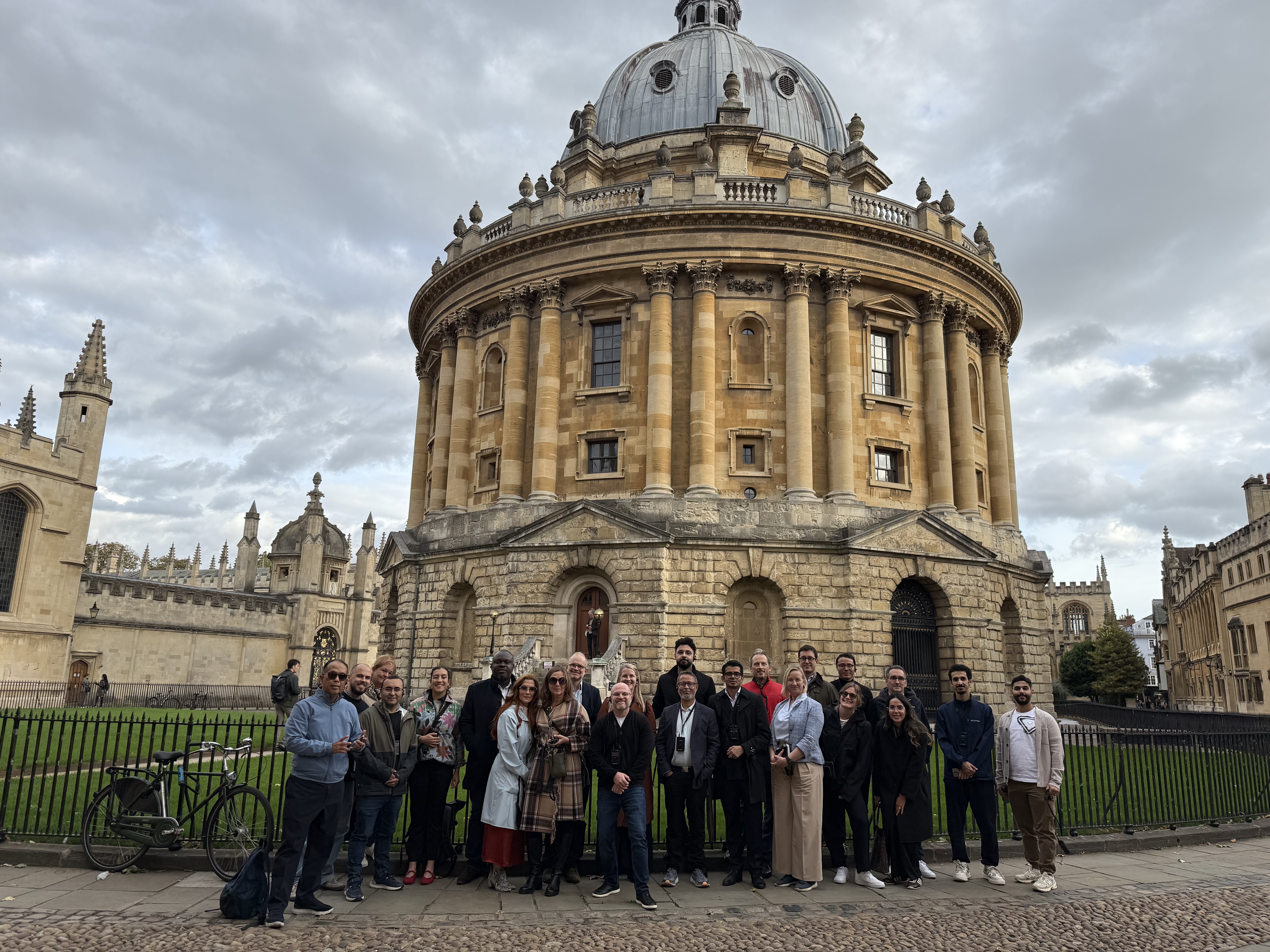
The Oxford experience
A strategic approach to sustainability
Decarbonisation is the biggest innovation opportunity of our time.
As businesses navigate increasing global uncertainty, including on both voluntary and regulatory sustainability mandates, those who continue to lead with a strong lens of risk-resilience and future-proofing will emerge as industry leaders.
A strategic approach to sustainability, grounded in a strong business case, is required for companies to succeed. In this programme, you will develop a personalised action plan and receive bespoke feedback and advice from the world’s foremost experts to take back to your organisation.
This executive-level programme provides comprehensive guidance on target-setting and robust planning for business sustainability. On completing the programme, you will be equipped with the practical frameworks to meet your goals and seize strategic growth opportunities.
- Industry leadership
Learn how to proactively turn sustainability goals into strategic advantage
- Towards innovation
Discover how sustainability can create value through new products, services and market opportunities
- Towards a resilient future
Master core skills to build strong teams and work across silos to future-proof your business
Learn more in our programme video
Video transcript
Climate change has become very, very urgent. It's a problem that has been with us for a long time, but we are now entering the crucial phase of reducing our emissions and moving to net zero. Now is the time when businesses really have to actively engage.
The way that we feed, clothe, transport, house, the billions of people on this planet will fundamentally have to change in order for us to respect the planetary boundaries in which we sit, both regard to carbon and regard to nature.
The Oxford Sustainable Business Programme is designed to take research from both the Said Business School and the Smith School of Enterprise and the Environment, and bring together those two powerhouses on understanding net zero innovation and strategy, and how you take your net zero target from a promise into practice and deliver that through your entire business.
What we want to do with this programme is really empower and enable, equip, and give skills to those who are in businesses who need to meet that challenge.
Set the new standards in terms of what good looks like for business and even begin to shape the new and leading industries of the next decade.
The course brings together experts from across the University of Oxford. People have devoted their career to climate change. These people are combined with experts from the business school. And it's the fusion of those two skills that is the power of the course. There are senior people who need to understand the strategic implications. They're more technical people who need to translate that strategic direction into targets, into monitoring systems. And there is also the sort of the commercial side of it to turn climate change into a business opportunity.
Our aim with this programme is to equip you to have the confidence and the skills and the clarity of mind and the ability to strategise in a way that brings sustainability straight into the heart of what you're doing in your daily work.
Our aspiration in setting up the programme is that we want to make a contribution to solving climate change. And we want to make that contribution by educating the decision makers who can change business practices, who can change the economy, and can start bringing down emissions unapologetically.
It's an excellent opportunity for people to come to Oxford, one of the finest institutions in the world, and learn from some of the brightest minds in the world. So, we first get you to answer the question of what it means to achieve global net zero, and then we move from there to what the governance landscape looks like, then we take you through what that means for implementing that in your business. What does the innovation pathway look like? What should the strategy, internal discussions look like? And then how do you deal with the stickier pieces of net zero, like offsetting, or how does nature fit into your net zero plan? We have a balance in the week between lectures and delivering content, as well as interactive activities. Definitely want participants to come to this experience with readiness to work. It's not just going to be passively absorbing lectures for a week.
I'm incredibly excited to be in the room with leaders from cross-functional areas, from global geographies that, perhaps on the face of it, are very diverse, and I have every confidence that we will find that there are very deep shared challenges.
There's a bit of a race going on in terms of who will be the leaders in the net zero world. This is a process that has to start early. That planning has to start now. And if you can start that process early, helped by this programme, you will be better positioned in the net zero world.
Benefits
- Gain cutting-edge expertise on business decarbonisation and net zero
- Identify key opportunities for innovation and transformation in your business
- Build a plan to work cross-functionally to solve implementation challenges
- Build confidence that you can lead your business through large strategic transformations
- Identify strategic priorities and allocate resources effectively
- Navigate the complex landscape of net zero and decarbonisation at scale
- Build compelling plans and communicate effectively to stakeholders
- Action plan for your organisation to move from decarbonisation to business transformation
View and download the business case template, designed to help prospective participants secure employer support to attend the Oxford Sustainable Business Programme.
Programme outline
Prior to your arrival in Oxford, we will support you in setting a clear set of objectives and identifying key challenges you would like to address. These will form the basis of your personalised action plan as an outcome of the programme.
- Science: understand the science of climate change and nature and why they matter for business
- Kick-off your action plan: map your current business’ constraints and enablers to drive change
- Experiential simulation: navigating the challenges of business and nature. Experience real time collaboration strategies for protecting natural resources
- Standards and regulation: understand the landscape of net zero-related policy and regulation, based on Oxford research that comprehensively maps the voluntary governance landscape
- Strategy and innovation: build your understanding of how to embed sustainability into your core strategy
- Leading for sustainability: experiential learning session in an iconic Oxford venue
- Target-setting and decision making
- Experiential session on delivering sustainable innovation in your organisation
- Real time insights from past participants on delivering their personalised action plan
- Building your action plan: delivering alignment between sustainability and strategy into your business
- Understand the role of technological innovation in driving sustainability transformations
- Guidance on successfully delivering on corporate sustainability commitments
- Workshop: stress testing your action plan
- Presentations: sharing and refining action plans
- Evaluate your strategy
- Beyond decarbonisation: what is coming next?
Class profile
- Mid to senior-level leaders seeking to drive strategic initiatives with sustainability as a core business practice
- Leaders and managers who can influence their businesses’ strategic decisions
- Professional services providers seeking to equip their clients with cutting-edge advice
- Sustainability leads or consultants looking to position themselves as sustainability specialists
- 10+ years of professional experience and 5+ years in leadership positions
Faculty
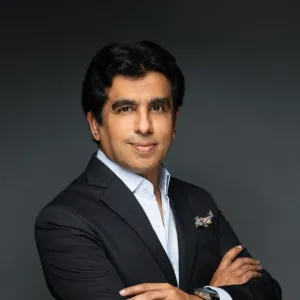
The programme has been convened by Mary Johnstone-Louis from Saïd Business School and Alexis McGivern and Sam Fankhauser from the Smith School of Enterprise and the Environment (SSEE) and Oxford Net Zero (ONZ).

Mary Johnstone-Louis
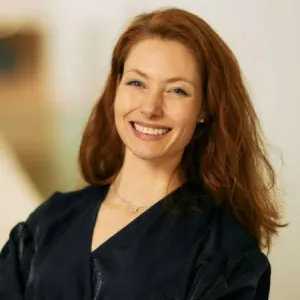
Juliane Reinecke
- Juliane Reinecke - Professor of Management Studies, Saïd Business School
- Cameron Hepburn - Battcock Professor of Environmental Economics, Smith School of Enterprise and the Environment
- Charlie Curtis - Associate Fellow and Entrepreneurship Expert, Saïd Business School
- Jennifer Lucey - Senior Researcher and Deputy Director, Nature-based Solutions Initiative, Smith School of Enterprise and the Environment
- Matt Amengual - Associate Professor in International Business, Saïd Business School
- Mette Morsing - Director of the Smith School of Enterprise and the Environment
- Oliver Cox - Head of Academic Partnerships, Victoria & Albert Museum
Insights
Debates, metrics and the competitive advantage of ESG
The subject of ESG garners significant attention from regulators, corporate leaders, investors and politicians.
In her latest Oxford Answers article, Mary Johnstone-Louis takes us beyond the rhetoric and argues that leaders who can integrate social and environmental impacts and dependencies into their strategy now, and build the governance required to scale the solutions that result, can go far beyond current debates about ESG to build the world’s next generation of strong, innovative and resilient companies.
More world-class, cutting edge research from across Oxford University that influences the programme.
- Forbes: From Mimicry to Strategy: The Real Sustainability Challenge of 2025
- Harvard Business Review: To Incentivize Companies to Address Climate Change, Measure Their Broader Impact
- Sustainability ideals are often crushed by corporate demands. Here’s how businesses can let them flourish
- Top 5 common misconceptions about how to use the Oxford Offsetting Principles
- The Reality of Net Zero: Net Zero from Scientific Concept to Policy and Practice
- United Nations: The Hard Work is Now: Charting global progress towards high-integrity net zero commitments
Oxford sustainability webinars
Terms and conditions
In brief
| Dates | 18-22 October 2027 |
|---|---|
| Format | In person |
| Location | Oxford, UK |
| Register |
|
| Fees | £8,500 plus accommodation (£1,200) |