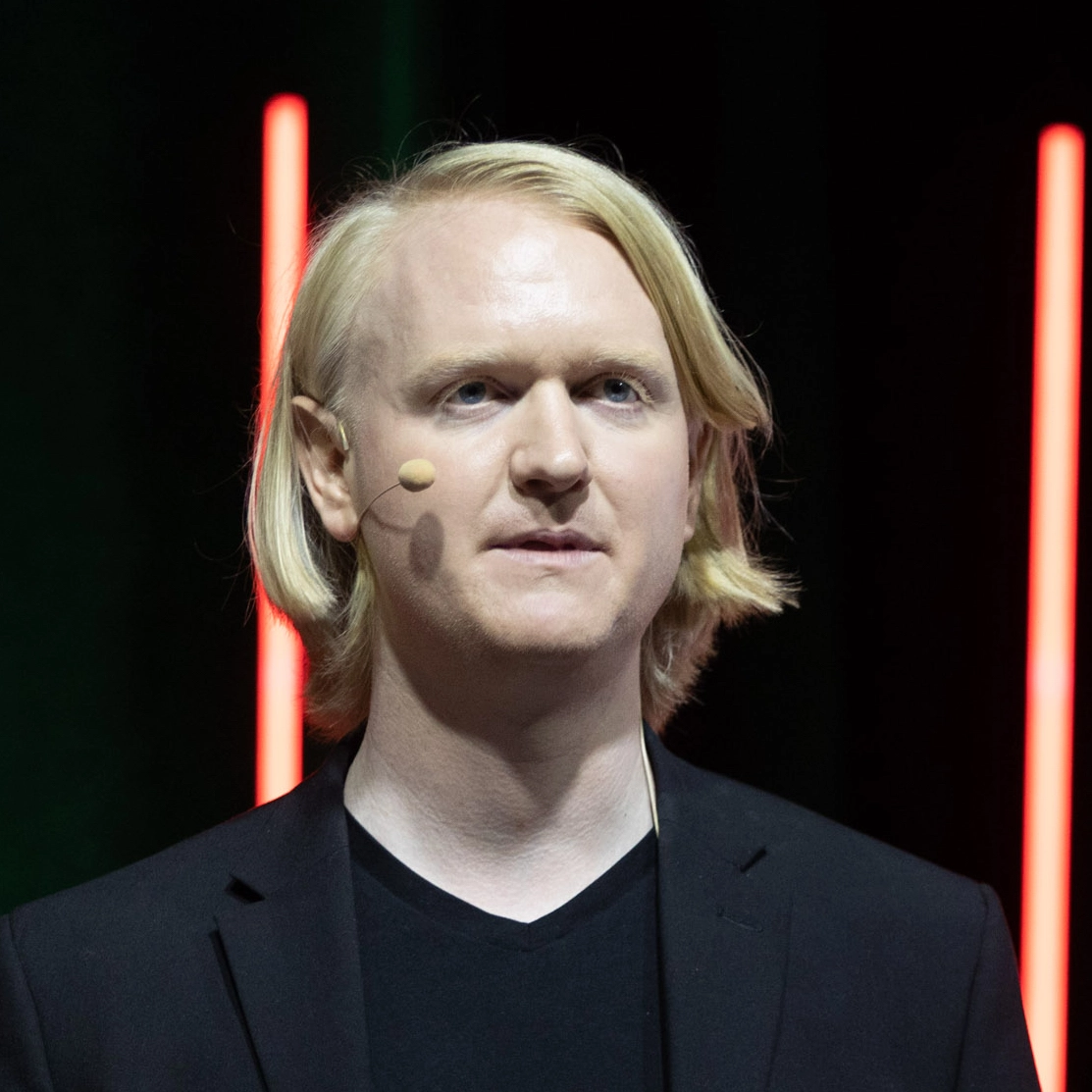
Comment: Why the clock change triggers an ancient 'biological handbrake’
Drawing on his emerging research into the complex interplay of circadian disruption and mood disorders, Dr Laurence Wainwright explores the possible evolutionary roots of seasonal affective disorder and the ‘winter blues’. Dr Wainwright is available for further comment and interview, and can be contacted at laurence.wainwright@smithschool.ox.ac.uk.
When the clocks fall back by an hour at 2am this Sunday, millions of Britons will celebrate the illusion of an extra hour in bed. By mid-week, however, as the country leaves work in pitch darkness, a familiar lethargy will settle over the nation. We tend to treat this autumn slump as a minor personal failing that can be fixed with an extra coffee and a bit of willpower. In reality however, the sudden loss of daylight triggers a profound biological shock that hits three distinct groups across the UK.
For the first group—roughly 3 per cent of the British population, or around two million people—the clock change marks the onset of clinical Seasonal Affective Disorder (SAD). For those with this mood disorder, darkness is not merely gloomy; it is a clinical trigger for the onset of a depressive phase. While there are many helpful treatments such as antidepressants and light therapy, for many the next 5 months will be a difficult period and symptoms may not fully resolve until the spring.
A much larger second group—between 15 and 20 per cent of Britons—suffers from sub-clinical SAD, often brushed off as the "winter blues". While they may not meet the threshold for a clinical diagnosis, they experience a heavy, persistent dip in mood, heightened irritability, and a relentless urge to stay tucked up in bed and withdraw socially until spring.
Yet even for the third group—the wider UK population with no history of seasonal mood disorders—the sudden drop in daylight throws our internal body clocks out of sync.
Our circadian rhythms are governed by specialised light-sensitive cells at the back of the eye. They need bright, outdoor daylight to tell the brain that the day has begun, clearing away sleep hormones like melatonin. When we commute in the dark and spend eight hours under office lights then go home in the dark, the brain never receives a clear daytime signal. Even though people spend longer in bed during winter, the sleep they get is often more fragmented and less restorative.
Why do our bodies react so dramatically to the dark? It comes down to evolutionary biology.
The human body has limited energy to do almost unlimited things, so it has to make trade-offs. In ancestral times, winter meant freezing temperatures and scarce food. Going out to forage in the cold and dark carried a high risk of starvation or hypothermia for very little reward.
Under those conditions, laying low offered distinct survival advantages. The brain evolved to pull a biological handbrake: slowing down our metabolism, increasing our drive to sleep, and triggering intense cravings for starchy carbohydrates to build up vital winter fat reserves. The problem is that our ancient biology is now colliding with a modern nine-to-five economy that demands identical productivity in November as it does in July. When the body puts its resources into seasonal energy conservation, higher-order cognitive functions—like sharp focus in a late-afternoon meeting—go out the window.
This biological mismatch carries a high, and usually forgotten, economic cost. Across the UK, circadian disruption and winter 'presenteeism'—with millions of staff sitting at desks exhausted, craving sugar, and fighting brain fog—reduces on-the-job productivity among affected workers by an estimated 10 to 15 per cent, contributing to the billions lost in UK economic output every winter.
You cannot argue with millions of years of evolution using an alarm clock. Instead of blaming ourselves for feeling sluggish next week, businesses and workers need to work with human biology: getting outside into natural morning light, using targeted bright-light therapy, and recognising that when the darkness closes in, our brains are simply doing the best they can under tough circumstances.
At the University of Oxford Department of Psychiatry we are currently conducting a large study into the complex interplay between mood disorders and circadian rhythm. Find out more about our work.