
Do the AR7 results mark the end of growing pains in the UK's utility-scale renewables market?
Yesterday, the Government published the results of its seventh Contracts for Difference allocation round for renewable energy projects (CfD AR7). These allocation rounds are competitive auctions in which energy companies bid for long‑term contracts that guarantee a fixed “strike price” for the electricity they generate. Caroline Lytton, Executive Director and Chief Operating Officer at the Smith School of Enterprise and the Environment, University of Oxford, comments on what the results mean for the UK’s renewables market.
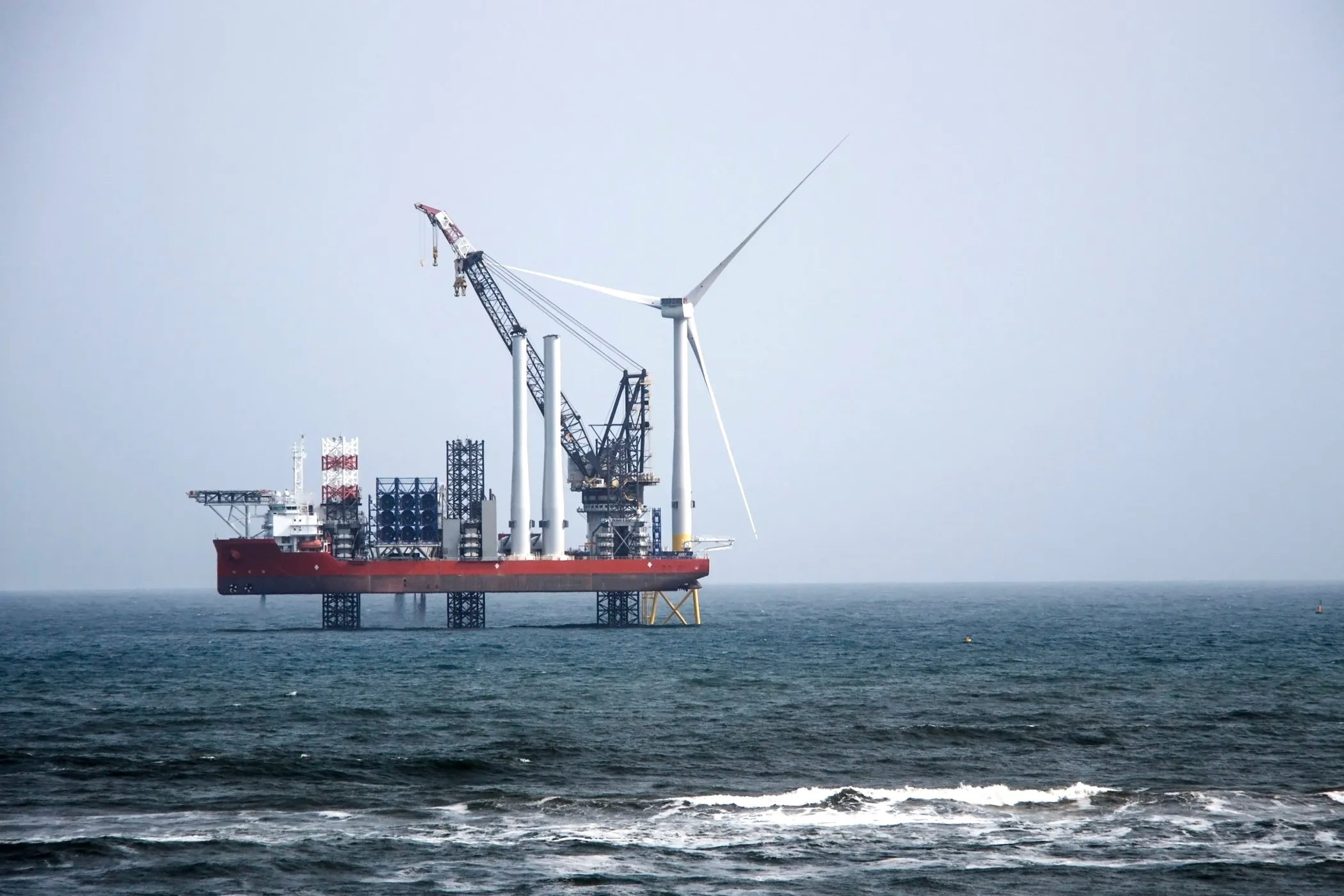
“While the UK’s CfD construct works brilliantly on paper, it’s struggled to deliver on time and on budget, with the Neart na Gaoithe offshore wind farm – which won its CfD in 2015 but came online only in 2024 - its unfortunate poster child.
AR2 and 3 saw plummeting strike prices achieved for offshore wind, with the clearing price for offshore wind in the 2022 AR4 announcement somehow coming in below both onshore wind and solar, despite the obvious additional complexities of offshore construction. The AR4 strike price of £37.35/MWh (2012 prices) is for delivery in 2026/27, so we wouldn’t have expected any of these wind farms to come online just yet.
However, we already know that four of the five awarded AR4 offshore wind projects used the permitted reduction mechanism in 2024’s AR6 to increase the strike price of part of their capacity to £54.23/MWh. The construction of the remaining project, Norfolk Boreas, was halted in 2023 by its original investors due to cost increases, before being sold to RWE.
The absence of any offshore wind bids in AR5 provided a necessary wake up call while also marking the first time that strike prices for onshore wind and solar had risen since the inception of the scheme. AR6 finally saw the strike price for offshore wind increase above that for onshore wind and solar, for the first time since AR1. Now the AR7 results have shaken out as the first cost order that feels logical in more than a decade. The strike price for offshore wind now sits at £65.45/MWh (2012 prices) 26% above the cost of onshore wind, and 40% above the cost of solar.
Surely it stands to reason that the technology with the fewest moving parts and smallest modules to cart around the country comes in cheapest, and the one reliant on structures weighing well over 2,500 tonnes and piled into the seabed, more than 80 miles from land comes in as the most expensive?
With a bit of luck (and a lot of analysis), hopefully the UK has now reached a point of maturity where our renewable energy opportunities are priced in a way that represents good value for money and allows them to be delivered on time.”
About Caroline Lytton
Caroline has over 20 years' experience in the infrastructure and energy project finance market, working on some of the largest energy transactions ever undertaken in both the conventional and renewables spaces and advising some of the largest energy companies in the world. Since 2021, she has been consistently recognised in the market for her work in the wind and energy transition sectors (Energy Transition Power List 2024, Wind Power List 2023, European Power List 2022, Women’s Power List 2021)
Caroline Lytton is available for further comment on the UK’s renewables market. Contact: thomas.pilsworth@smithschool.ox.ac.uk