
Illegal waste dump in Oxfordshire field - Dr Amani Maalouf comments
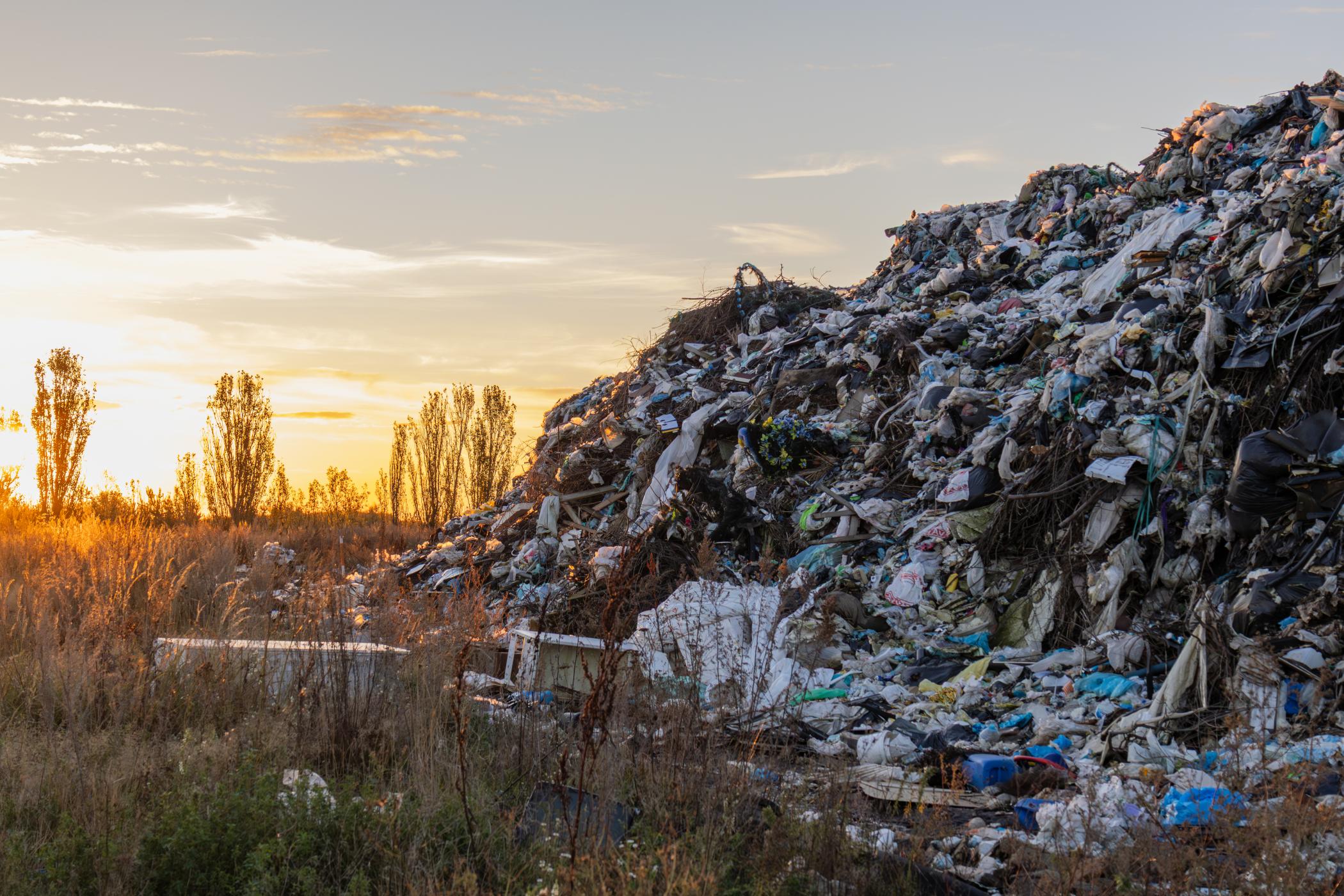
A huge pile of illegally dumped waste has appeared in a field north of Oxford. Dr Amani Maalouf, Senior Researcher and waste management expert, comments on the short and longer environmental impacts, and the broader problem of illegal waste sites.
"The large-scale illegal dumping discovered between the River Cherwell and the A34 near Kidlington represents a significant environmental incident for the region. Hundreds of tonnes of shredded mixed waste have been deposited only metres from the river, and some material has already entered a nearby stream, carrying pollutants downstream. Once mixed waste interacts with a watercourse, microplastics, packaging residues, and other contaminants can disperse widely and persist in the environment.
Beyond the immediate water quality concerns, waste piles of this scale can generate a range of secondary impacts. As the material deteriorates, it can release leachate into surrounding soils, affect local biodiversity, and disrupt habitats along the river corridor. Shredded waste is also prone to wind dispersal, contributing to litter, odour, and nuisance for nearby communities. In some cases, these sites attract pests and increase local health risks and contribute to broader public-health externalities, as pollution in air, soil, and water ultimately imposes costs on society and ecosystems that far exceed clean-up budgets. If not stabilised quickly, there is also the potential for further run-off during heavy rainfall, spreading the contamination over a larger area.
The wider context is that waste crime is estimated to cost the UK around £1 billion each year, encompassing environmental, social, and economic impacts, according to the House of Lords Environment and Climate Change Committee (2025). The clean-up will require careful planning due to the volume of material, the sensitive location, and the need to prevent further contamination. While ongoing investigations will determine facts and responsibilities, the situation reinforces the importance of preventative systems and early detection, rather than solely reactive responses once large-scale harm has occurred Events of this scale highlight the broader challenge of tackling waste crime, which increasingly affects rural and peri-urban areas across the UK. Illegal waste activity is often driven by gaps in monitoring systems and limited visibility over the movement of certain waste streams. This incident underscores the importance of stronger, more coordinated approaches to waste governance, including better data, improved tracking, and early-warning systems that can identify high-risk sites before they escalate.
Nationally, the UK Government, alongside the Scottish Government, Welsh Government, and the Department of Agriculture, Environment and Rural Affairs (DAERA) in Northern Ireland, announced in February 2025 that a mandatory Digital Waste Tracking Service (DWTS) will be introduced. The legislation for the service will be laid by April 2026, and the first phase will require permitted and licensed waste receiving sites to record all waste they receive, becoming mandatory from October 2026. This system aims to replace outdated, paper-based methods with real-time digital tracking, improving the traceability of waste movements and enabling regulators to identify high-risk sites and potential illegal activity more effectively. If implemented as planned, there is an opportunity to enhance transparency, accountability, and compliance across the waste chain strengthen, and reduce the likelihood of large-scale illegal dumping incidents recurring.
My research at the Smith School of Enterprise and the Environment, University of Oxford University of Oxford, focuses precisely on these issues: mapping and characterising uncontrolled waste disposal sites worldwide, assessing their environmental impacts, and exploring how geospatial tools, satellite data, AI, and improved reporting systems can help authorities detect and address illegal waste activities more effectively. Incidents like this demonstrate the need for robust evidence and advanced monitoring techniques to protect communities and ecosystems from the growing threat of waste crime."
Dr Maalouf is available for further comment and interview, please contact: thomas.pilsworth@smithschool.ox.ac.uk