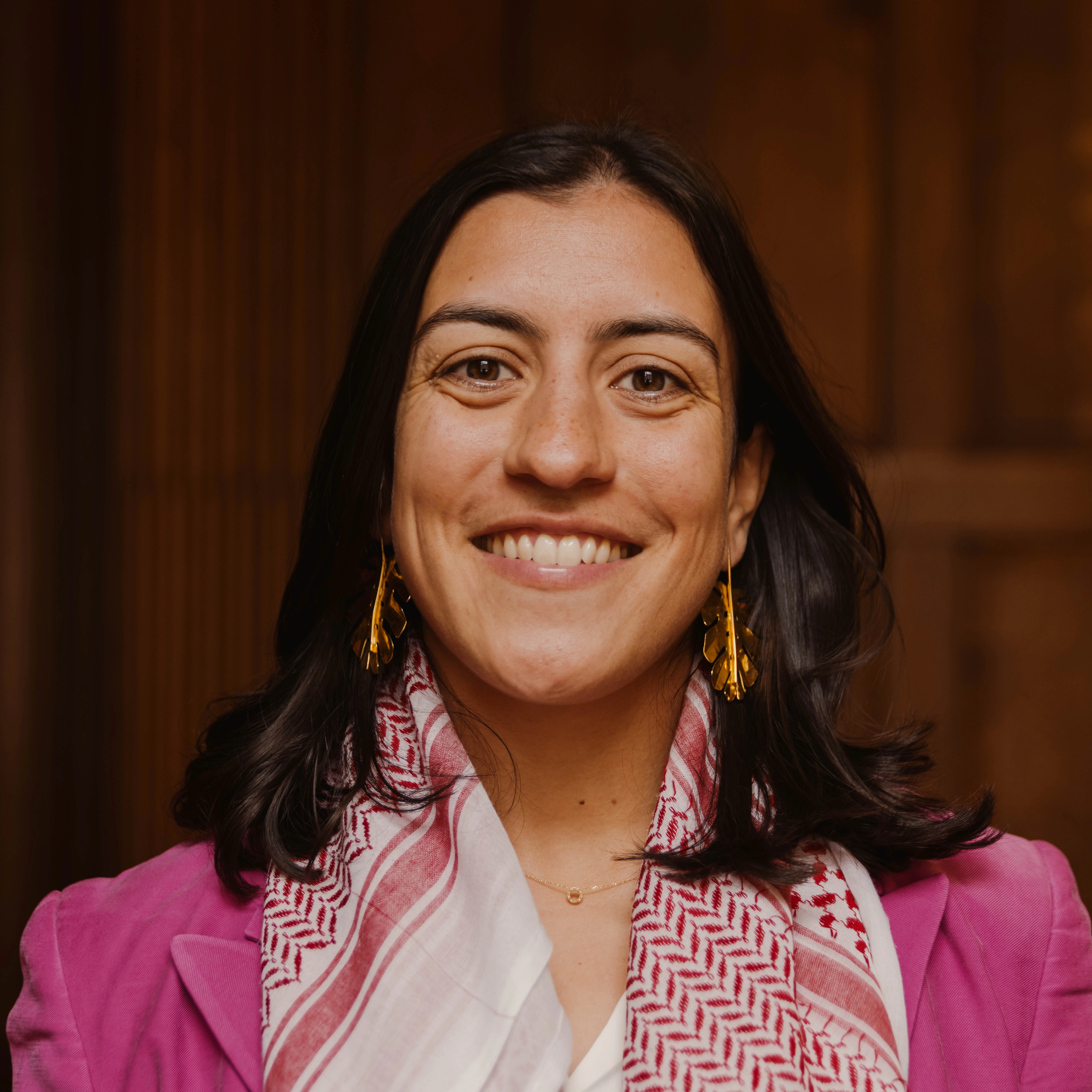
Youth Voices at the Heart of Climate Action: Inside the Global Youth Climate Training Impact Report and Five Young Leaders Funded to Attend COP30 in Belém, Brazil
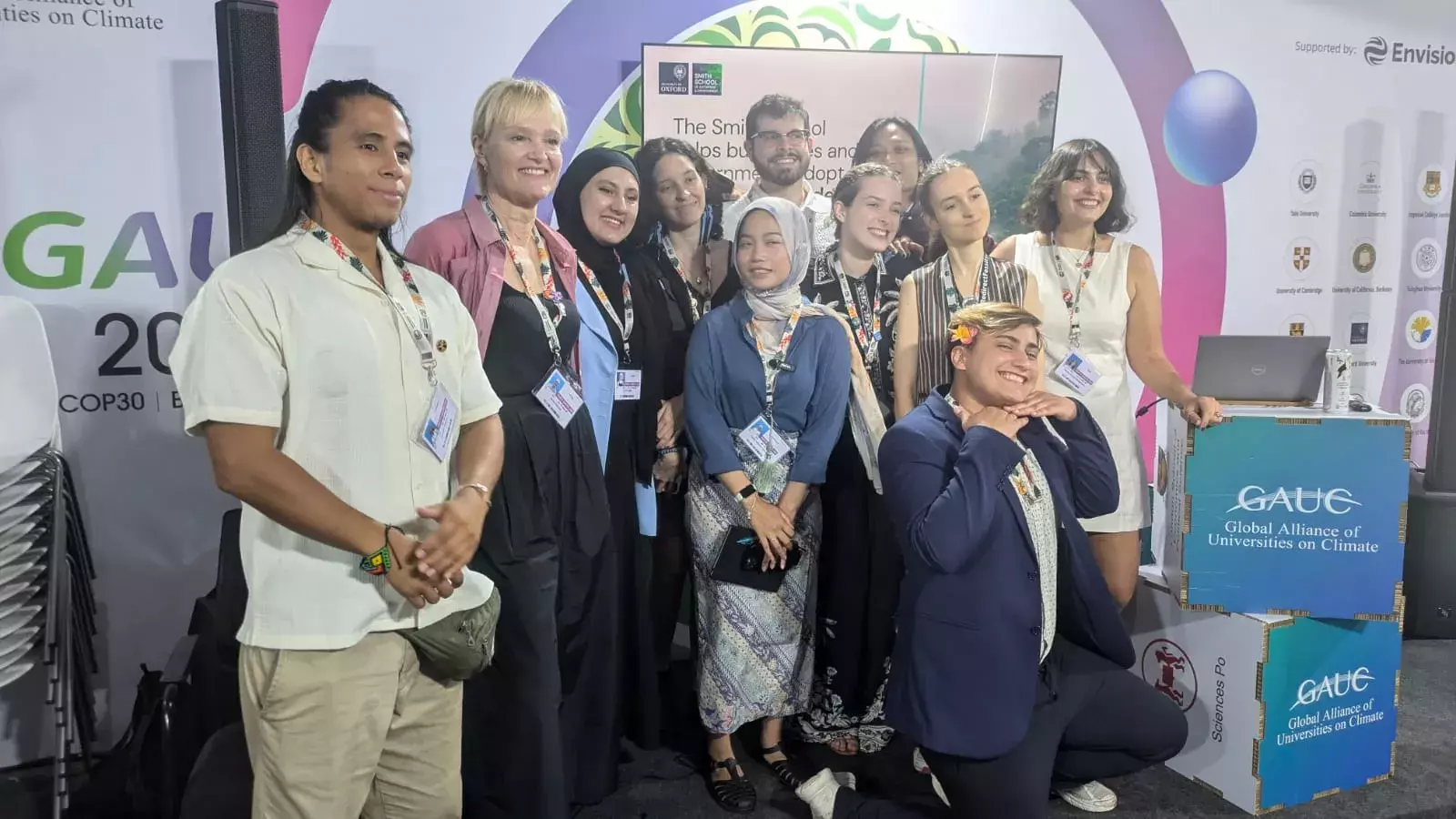
Today, the Global Youth Climate Training (GYCT) launches its Impact Report, celebrating three years of collective action, youth empowerment and capacity-development in international climate policy.
Jointly developed by the Global Youth Coalition, Oxford Net Zero, and the Smith School of Enterprise and the Environment, the GYCT has equipped more than 5,400 young people with free training in UNFCCC processes.
Curated by Clarissa Salmon, Programme Lead at Oxford Net Zero, the report highlights how the programme design and delivery responds to four key challenges of youth engagement in international climate policy, as identified by our 2025 cohort.
These are:
- Policy expertise for technical negotiations
- Youth representation in international climate policy
- Building an international youth climate community
- Supporting marginalised communities
Clarissa Salmon, report lead, said:
The GYCT demonstrates what is possible when young people are given the tools and access they need to lead. This impact report tells the story of what happens when training and opportunity align with passion and purpose.
Introducing the GYCT COP30 Bursary Recipients
One of the most exciting evolutions of the programme is the bursary programme, which also ran at COP29, to enable a small group of exceptional GYCT participants to attend COP30 in Belém, Brazil.
Funded through the generous support of the ClimateWorks Foundation, these bursaries work to ensure that Global South and underrepresented groups can still take up place in these important global negotiations. Our cohort this year represents an incredible cross-section of the climate movement, from five countries.
Alexis McGivern, Co-Director of the Global Youth Climate Training Programme and Head of Stakeholder Engagement at Oxford Net Zero, said:
We recognise that the biggest barrier for young people is the cash in hand to cover the cost of expensive flights, accommodation and daily costs. Without these kinds of bursaries, young people are often paying out of pocket, or worse, we simply do not see their voices represented at COP. Our only regret this year is that we can only fund five young GYCT participants to attend.
Merna Ahmed Elboghdady, Programme Associate, Global Youth Climate Training Programme, said:
There are so many fantastic training programmes on climate change. And while I like to think the GYCT stands out, because everyone on our team pours their hearts into it, I know that access to knowledge is often the easy part. Accessing finance, on the other hand, proves difficult on a yearly basis. Especially for young people who work incredibly hard and deserve to have their voices heard and their impact recognised in these important spaces. Even more so for those from the Global South, who often face additional barriers like visa restrictions. That’s why I’m so grateful to our funders for making it possible for us to give access to people who work so hard and deserve to hold that space.
Meet the COP30 Bursary Recipients
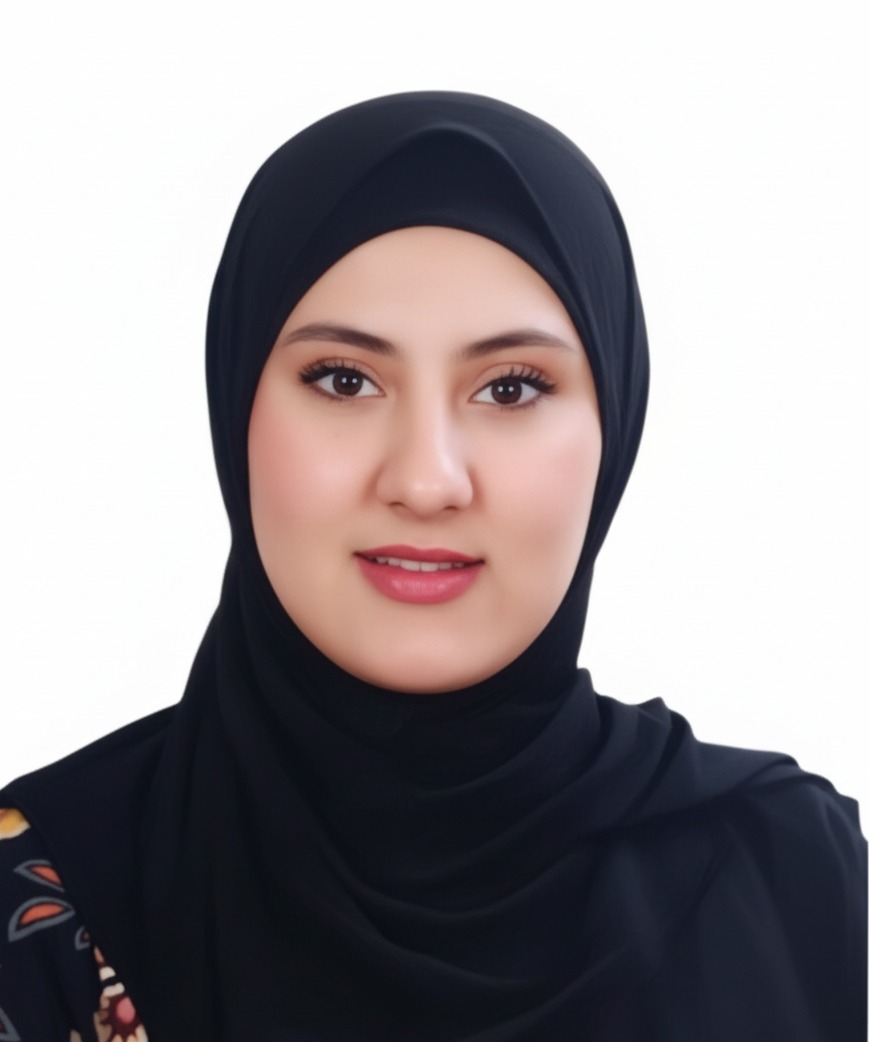
Suad Husam Yaseen Talafha (Jordan)
A renewable energy engineer and a climate change activist, Suad co-founded a youth-led association called “ Al Sendyan Land Association” focused on enhancing the adaptive capacity of youth, women, and vulnerable communities in Jordan. She led the Local Conference of Youth (LCOY) Jordan, which was the biggest youth-led climate event in Jordan, gathering over 2,300 participants. At COP30, she will showcase how youth in Jordan played a successful role in shaping the updated NDCs this year, and support other countries and first-time youth delegates to help organize their own LCOY and use it as a platform for youth engagement in policy making and evaluation processes.
“The real definition of climate leadership is being able to impact locally before any other level,” Suad said. “I cannot hide my worry about youth representation from all over the world, especially from the Global South, being lower this year because of the high cost of attending COP this year. After coming back from COP30, I will help to translate the outcomes into our national movement in Jordan, building youth capacity around the COP process and results.”
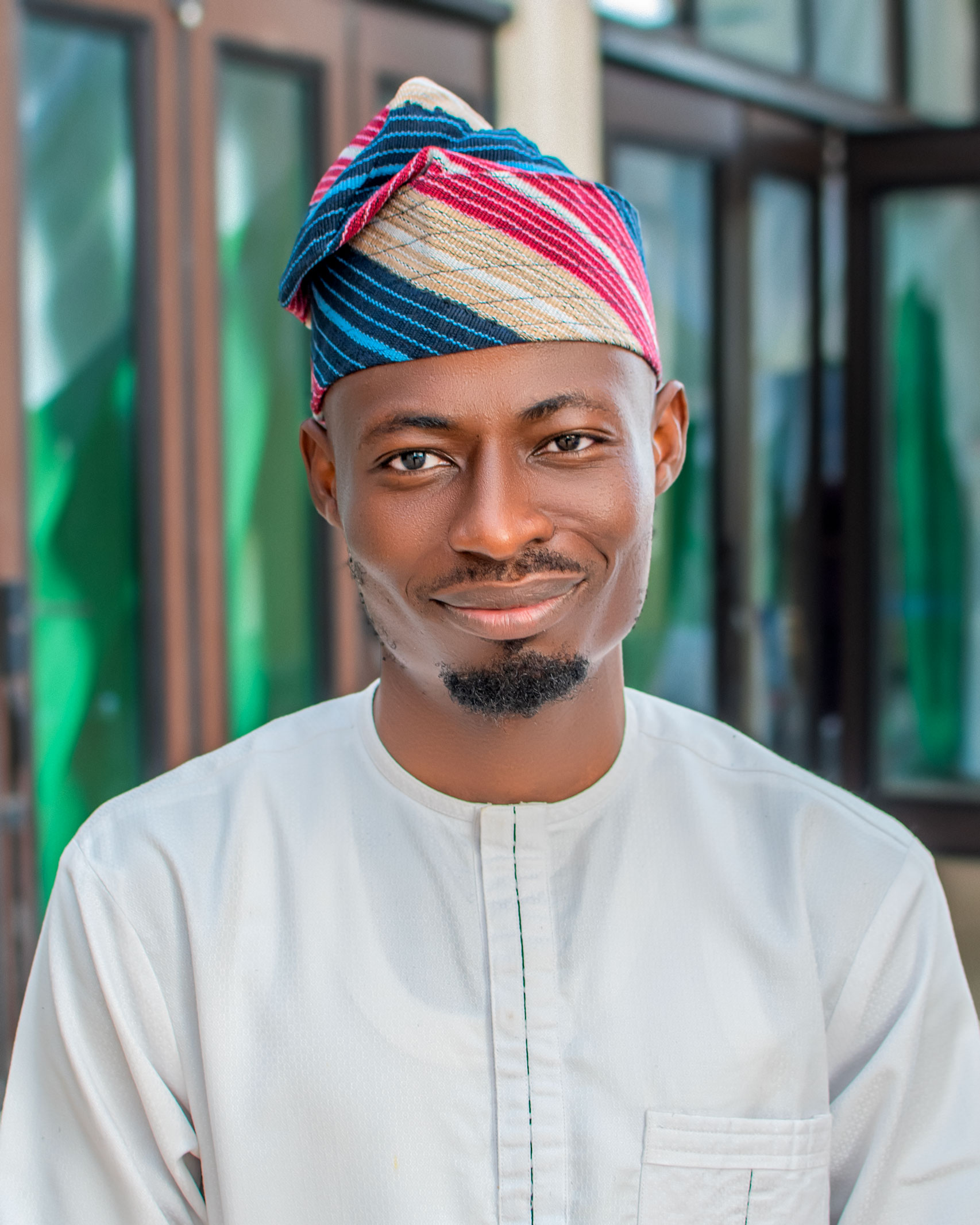
Horsfall Tony (Nigeria)
A nature-based solution carbon development specialist, and youth climate policy advocate who has contributed to shaping Nigeria’s Carbon Market Activation Policy (NCMAP), Nigeria's NDC 3.O and other numerous national climate policies. Tony is also a member of the Nigerian Economic Summit Group's Special Task Force on Climate Action Agenda and Implementation.
He began his climate journey in the peacebuilding space recognising how climate impacts were exacerbating farmer-herder conflict in Nigeria’s agropastoral communities. Today, he works with those same communities to restore forests, fight climate change, and attract carbon finance to drive sustainable development and alternative sources of income.
“I approach COP30 with excitement and expectation,” Tony said. “II expect definite conclusions to be made on agenda items like Article 6 and Just Energy Transition that will guide implementation back home .I look forward to introducing and advocating for the [Global Youth Coalition’s] Avocado Framework to the Nigerian Delegation, the African Group of Negotiators, and even the G77. I want to thank Oxford Net Zero, SSEE and The Global Youth Coalition for the opportunity to elevate my work and demystify climate leadership, which, to me, means reflecting and conveying local contexts into international policy- and translating those outcomes back to the grassroots level.”

Beatriz (Bia) Pontes (Brazil)
A community advocate from the outskirts of São Paulo, Beatriz brings the voices of Brazil’s urban peripheries to the global stage. An optimist at heart, she will be keenly following the discussions on operationalising and delivering the $1.3 trillion of climate finance by 2035. She will also feed into the development of the Gender Action Plan, emphasising the role of youth that was left out at SB62. She believes in acting on the implementation agenda the Brazilian Presidency has spoken about, and wants to represent the often marginalised or excluded voices in the process.
“I believe my mission in life is to build bridges between people, environments and realities - my surname in English even means ‘bridges,’ Bia said. “This mission gives me strength to try to transform my country, even just a little, every day. I work and I fight to amplify the voices of my community, which already knows and feels the impact of climate change. I have so many feelings about COP30, but my strongest is hope. I believe that without hope, nothing makes sense. We need to believe that it is possible.”
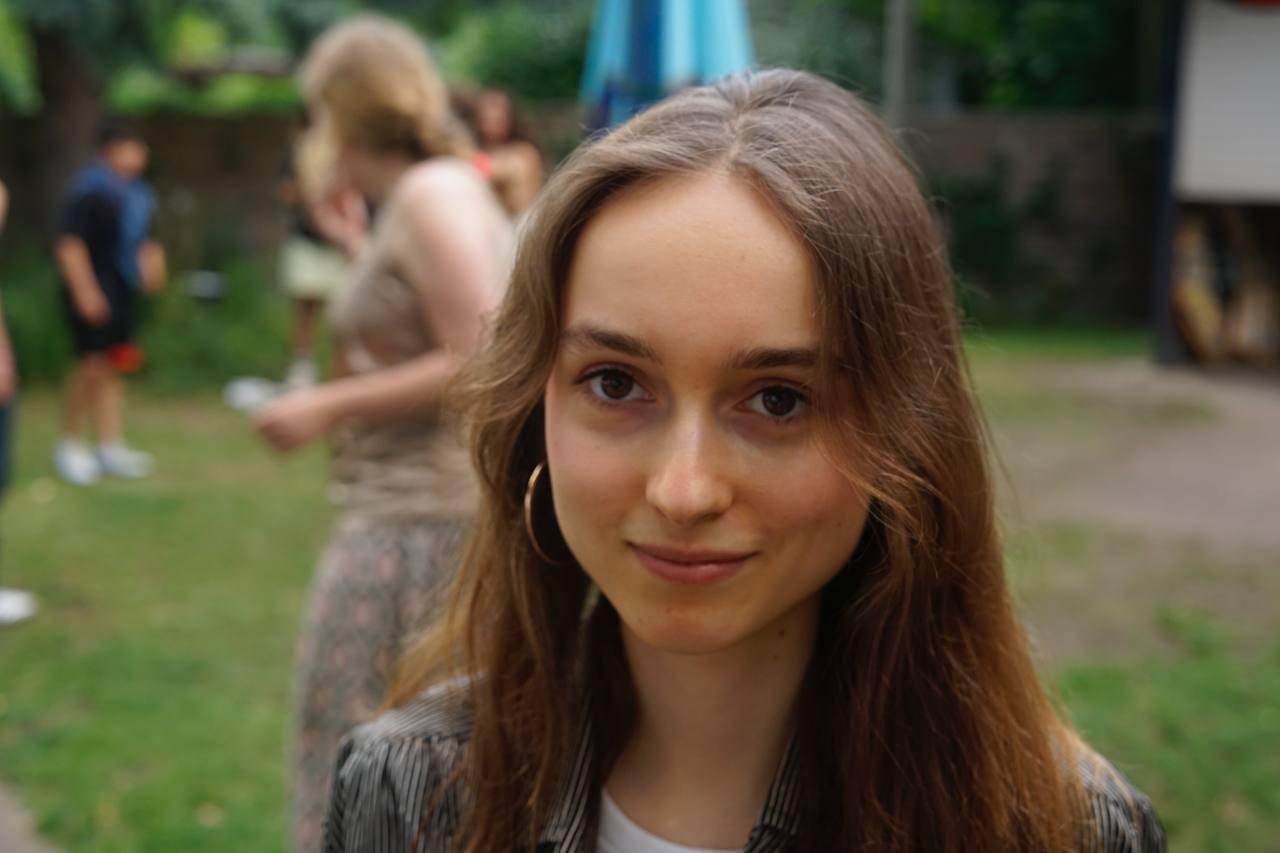
Carmen Wabnitz (Germany)
A recent high school graduate and YOUNGO’s Just Transition lead for COP29, Carmen views COP30 as a critical platform to deepen and expand her advocacy for climate justice. Carmen will wear four hats in Belem: coordinating the YOUNGO’s Just Transition Working Group, representing Klimadelegation, supporting German Watch and representing the Global Youth Climate Training programme. Carmen will divide her time across negotiations, bilaterals and side events.
Carmen said, “For COP30, I hope that countries send a clear signal that they remain committed to the 1.5°C limit, by raising ambitions beyond their submitted NDCs, and that they will do so in a just manner, grounded in the reality of the people at the frontlines of the transition. This requires more than an ambitious decision text, but a mechanism that accelerates implementation and thereby ensures that no one has to fear losing their livelihoods, but can be hopeful that this transformation will ultimately strengthen their community.”
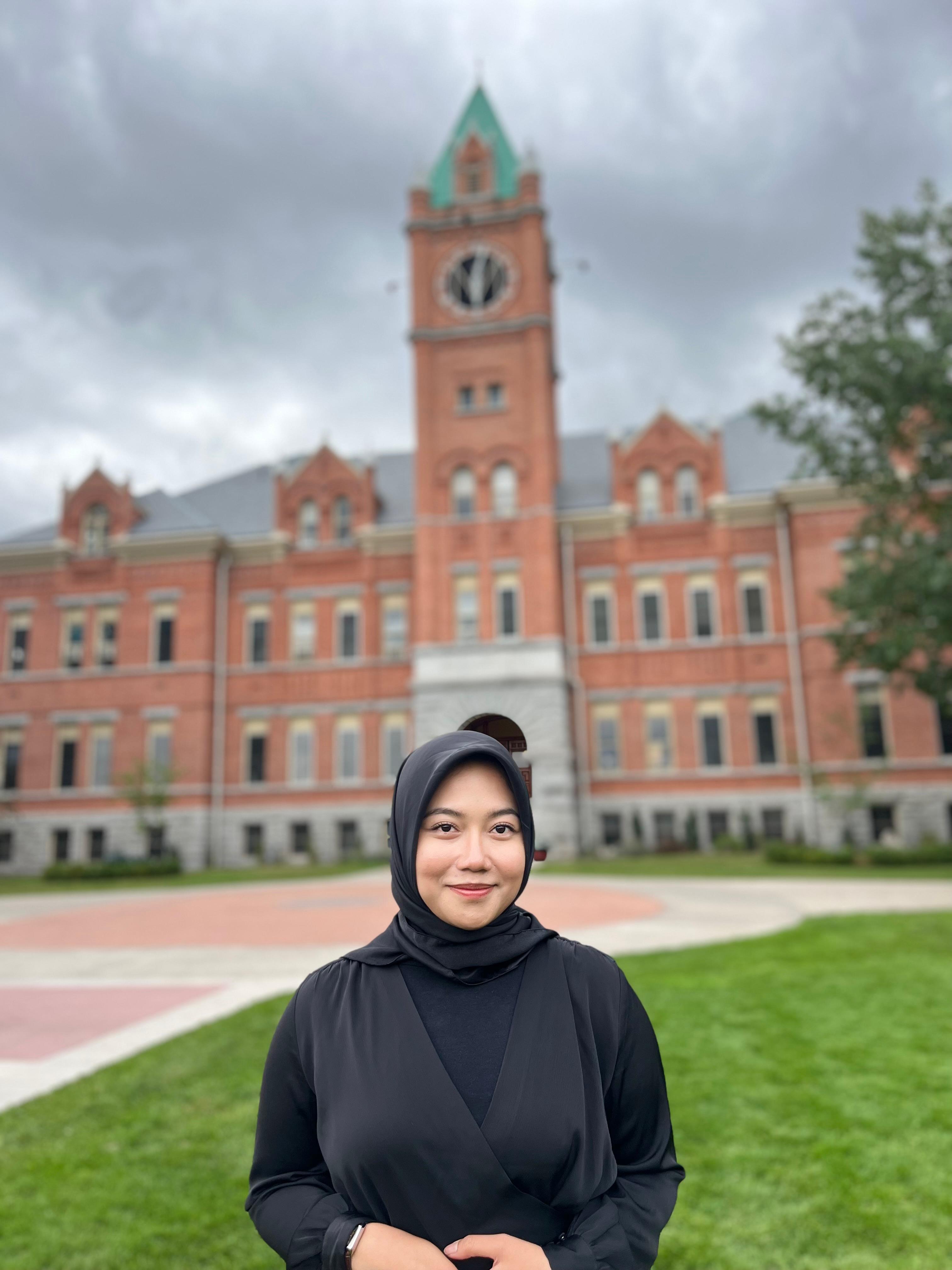
Fadilla Miftahul Jannah (Indonesia)
Fadilla is driving efforts to build a unified climate coalition in Indonesia, strengthening collaborations across regions, movements, and sectors. She actively explores the intersection of climate action with technology, innovation, and law, using these tools to develop practical solutions for decarbonization and sustainable development. A strong advocate for meaningful inclusion, she aims to bridge grassroots communities with government engagement, ensuring that policy and practice are informed by those most affected.
Fadilla said, “I do feel some pressure, as I carry a strong sense of responsibility representing both Indonesia and the Global South. At the same time, I’m so excited - GYCT has provided me with rich preparation, especially in terms of substance. I hope COP30 becomes a true milestone for implementation, particularly because it will take place in the Global South. I also hope it can highlight Indigenous leadership and community-driven solutions. After COP30, I would like to translate all of this dialogue into real climate action by strengthening the role of women, youth, and local communities in advancing a just and inclusive energy transition.”
Looking Ahead
Together, these five young leaders embody the spirit and impact of the Global Youth Climate Training: grounded in local realities, connected across borders, and committed to transforming global processes from within. As the programme looks ahead to its next chapter, the GYCT Impact Report stands as both a record of achievement and a call to action: a reminder that empowering youth is not a side note to climate negotiations, but essential to their success.
“This is not just a report—it’s a record of transformation,” said Alexis McGivern. “Each young leader represents the ripple effect of training, mentorship, and belief in youth power.”