
Advancing Natural capital investment in Africa through collaboration and executive education
Community Insights series
The Smith School's Community Insights series features up-to-the-minute and incisive commentary from leading voices outside of academia, including from our Board, business fellows and partners.
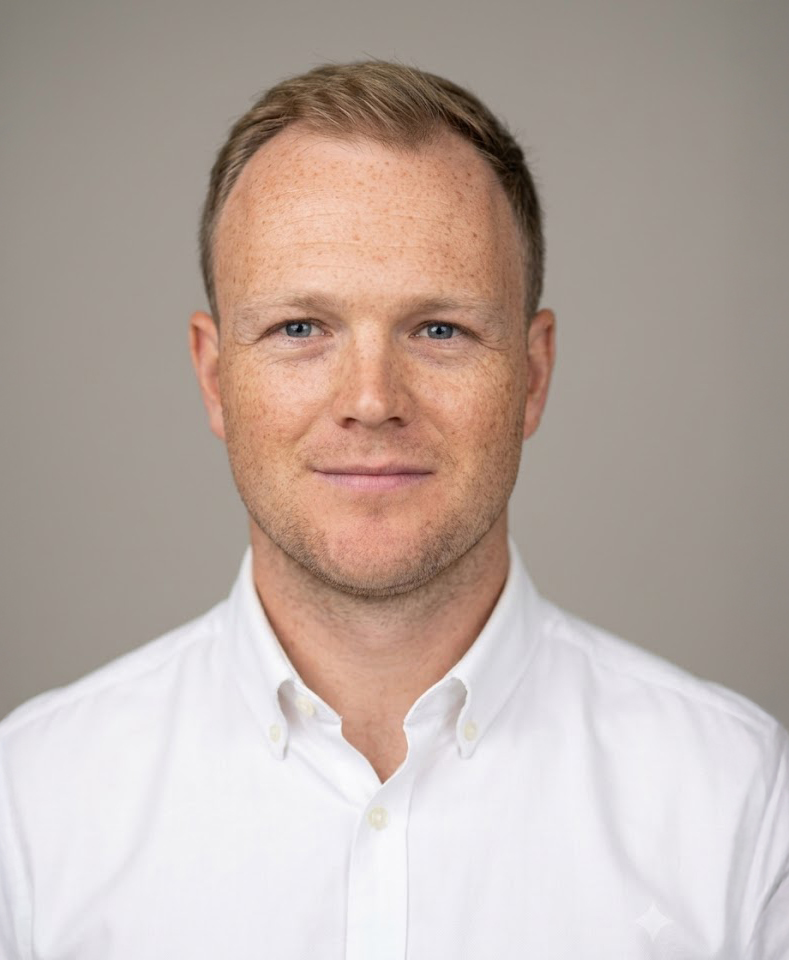
Ben Chapple is a nature consultant with FSD Africa, where he works on impact tracking across the ANCA network. He has a particular interest in how making nature an investable asset can benefit both people and wildlife. His recently completed PhD, based at Imperial College London, ZSL, and the Mpala Research Centre in Kenya, focused on whether nature-based tourism can be a viable commercial model for funding conservation and development.
Ben Chapple, nature consultant with FSD Africa, reflects on the impact of ANCA's Nature Executive Fellowship.
Natural capital is increasingly understood to play a fundamental role in the global economy. Nowhere is this more true than in Africa, where nature finance is transitioning rapidly from a niche academic conversation to an investment imperative. But for investments to work on the ground, we need more than just capital – we need scalable projects backed by high-quality evidence and cross-sector collaboration.
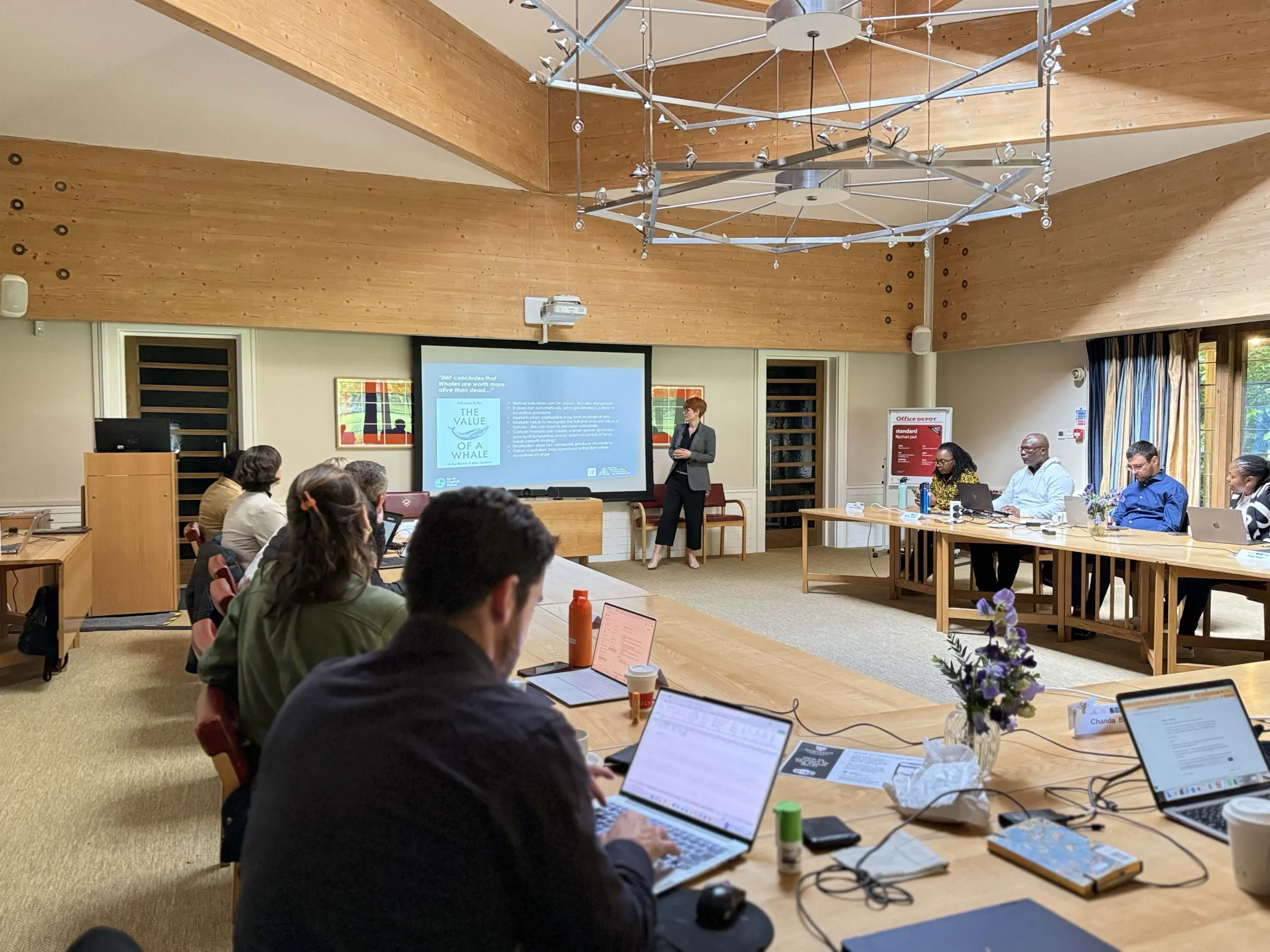
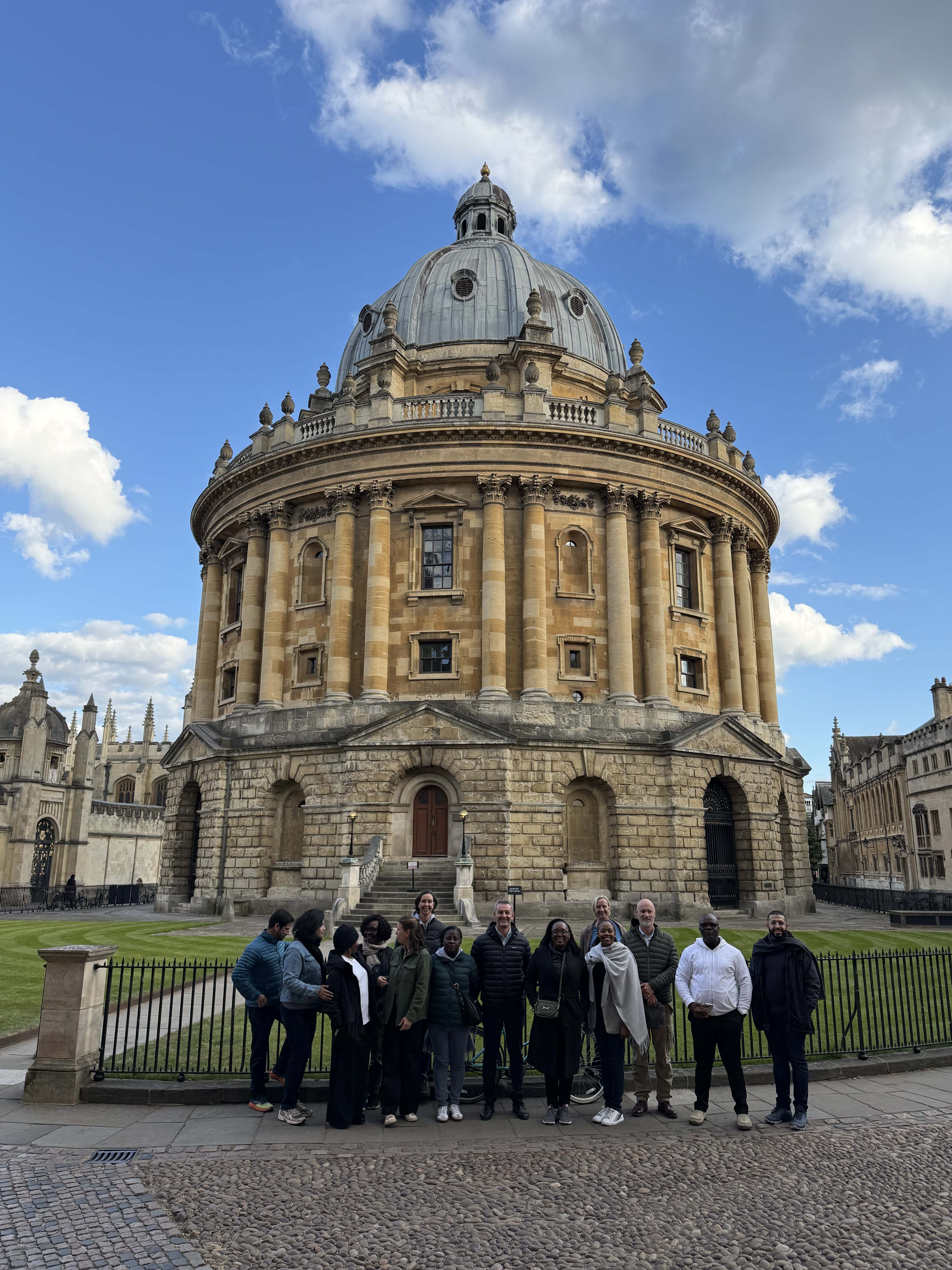
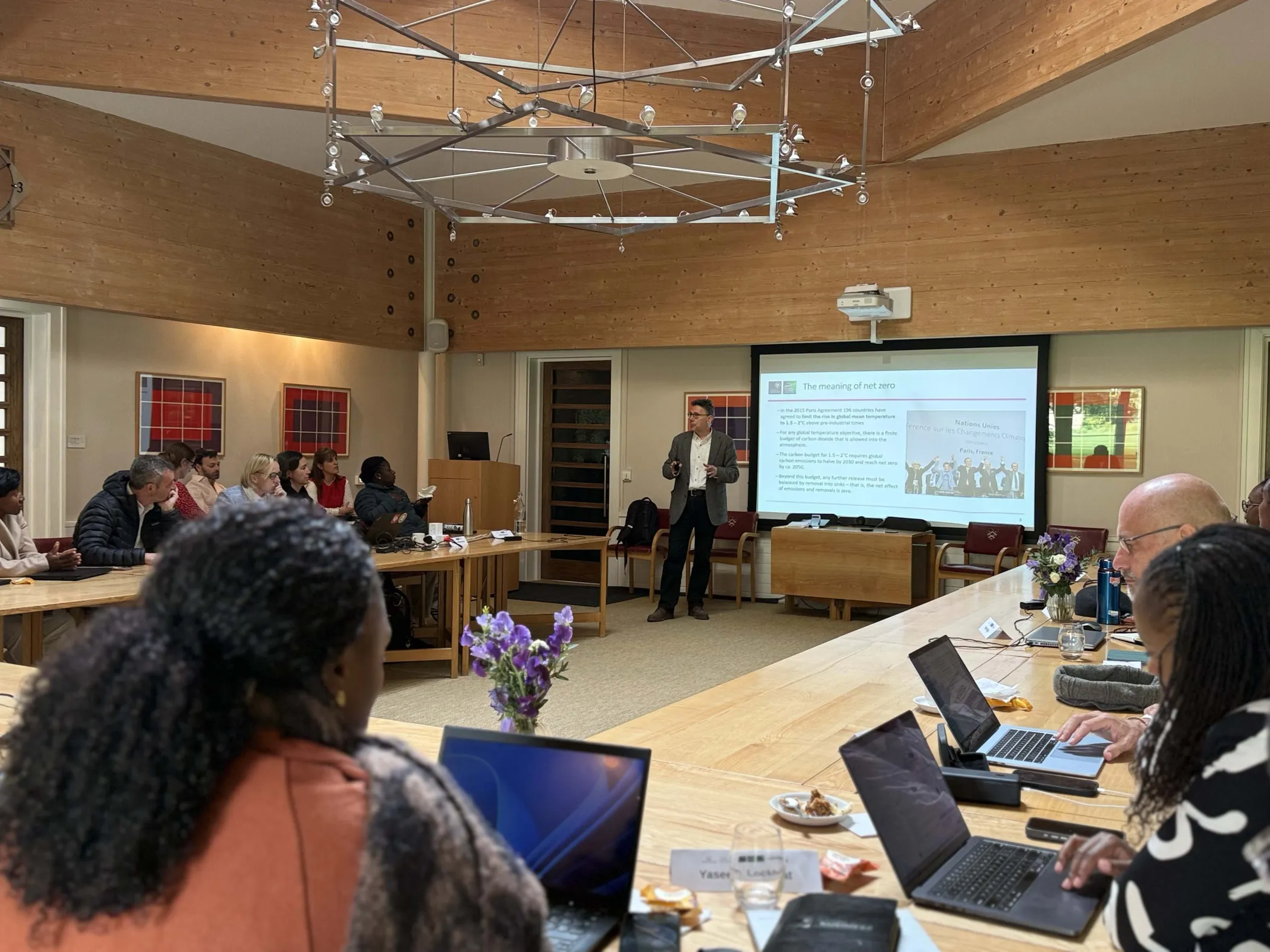
The African Natural Capital Alliance (ANCA) Nature Executive Fellowship was set up to help address these challenges; the second cohort of fellows recently convened in Oxford, in the glorious surroundings of Worcester College, to discuss a variety of topics relating to natural capital, including foundational ecological principles, barriers to investment in nature, and the nature-based solutions project for which each fellow is receiving support. My particular role focuses on supporting these projects, helping to drive investment in nature-based solutions, and tracking the positive impacts that such investments bring. By supporting these fellowship projects, our goal is to ensure they are equipped to drive real investment into nature, building the structural longevity needed to survive long after the formal programme concludes.
Both a major highlight, and an important lesson, of my time with the fellowship has been that I have seen first-hand the incredible depth of nature finance expertise in Africa. ANCA fellows come from a wide variety of academic and professional backgrounds, each bringing powerful perspectives on the difficulties and the unique opportunities associated with African natural capital investment. The value of the ANCA fellowship programme, therefore, isn't about teaching the basics; it’s about drawing out that deep, existing wealth of knowledge and bringing it to bear on the structural challenges that currently limit progress on nature finance.
A related and vital function of the fellowship is to bring some of the best minds from across the continent together. On this point particularly I would like to thank the Smith School for creating such a welcoming space for learning during the gathering in Oxford; each session felt less like a lecture, and more like a forum for open, equal discussion.
Professor Gordon Clark noted that one of the enduring strengths of the Smith School's executive education programmes is their ability to create a space for shared learning and open dialogue:
Coming to Oxford, coming to the Smith School, gives participants a chance to update, but also spread the word within their company about what they've learned... I think it's a wonderful venue for a neutral conversation amongst themselves and Oxford academics. It's a wonderful place to learn the latest climate science and social science.
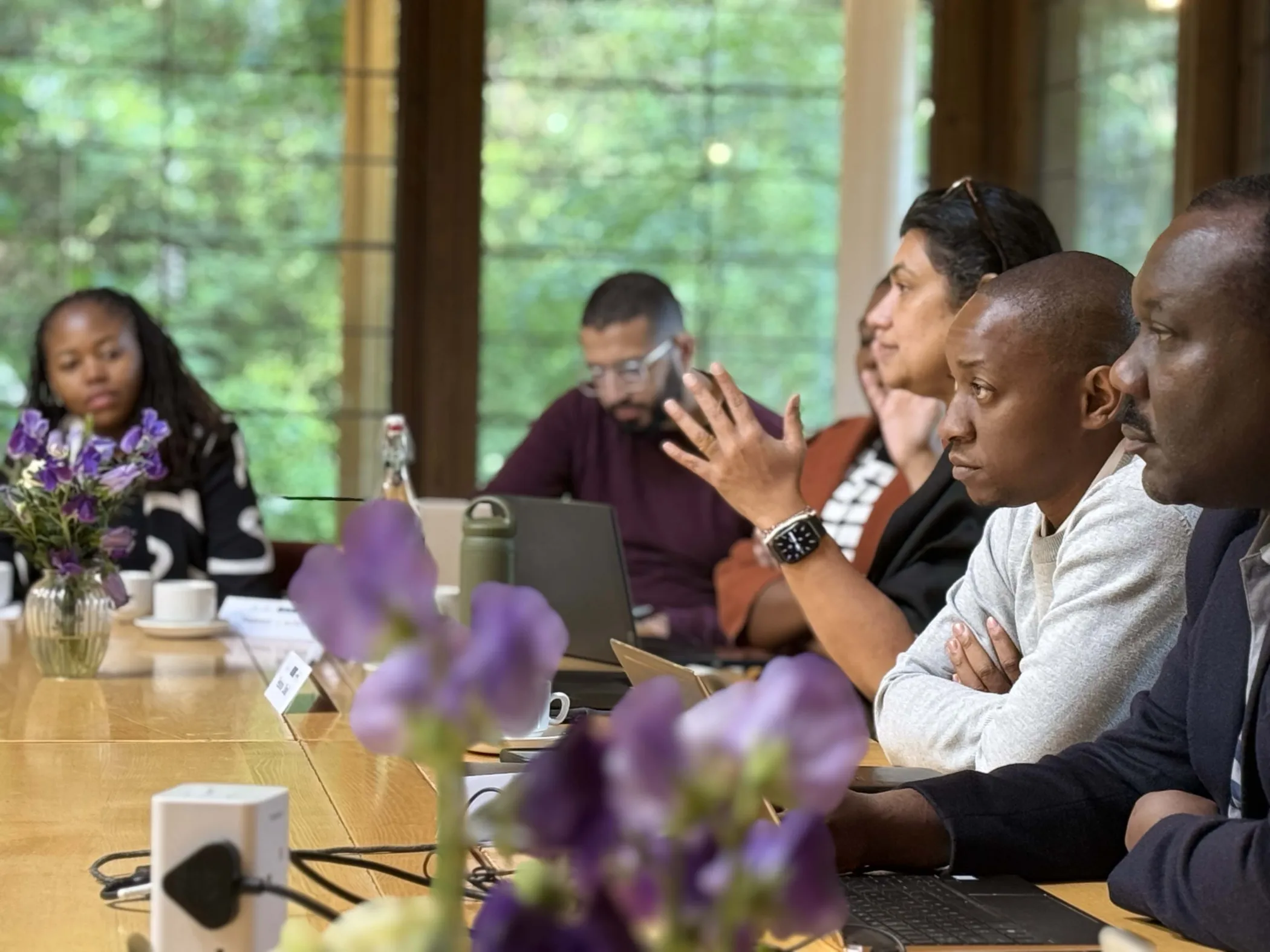
For me, it was wonderful to listen to the conversations taking place, which generated so many exchanges of ideas and opportunities for new collaborations. We often talk about the value of networking in executive education, but the ANCA fellowship delivers tangible, immediate results. Excitingly, we have already seen two fellows from this current cohort agree to work together on a project, showing that the conversations taking place in meeting rooms can translate directly into real-world action. My hope would be that the relationships established during the fellowship will last for decades, bringing positive impacts for people and nature across Africa.
Reflecting on the partnership, Director of Education Annabelle Richards said:
I'm pleased to see how the Oxford Smith School's partnership with ANCA has helped inspire and motivate participants in this fast-growing field. I found it especially interesting to hear about the realities of work on the ground in Africa. It was a reminder that good intentions and capital are not enough if they are not informed by science, local knowledge and a proper understanding of place. We look forward to building on our partnership in 2027.
For anyone considering an application for a future cohort of the ANCA fellowship, I couldn’t recommend it highly enough. The nature finance space moves fast, and we need every ounce of ingenuity, leadership, and rigorous thinking we can find. This fellowship is exactly where those elements come together.
This programme was developed in collaboration with the University of Cape Town, Graduate School of Business, and the African Natural Capital Alliance (ANCA). It offers a comprehensive programme that integrates academic excellence, leadership development, and real-world application. It is specifically designed for executives who are committed to advancing nature-positive economies across the continent. More information about the Smith School's bespoke programmes can be found on Customised executive education.
Community Insights series
The Smith School's Community Insights series features up-to-the-minute and incisive commentary from leading voices outside of academia, including from our Board, business fellows and partners.
Ben Chapple is a nature consultant with FSD Africa, where he works on impact tracking across the ANCA network. He has a particular interest in how making nature an investable asset can benefit both people and wildlife. His recently completed PhD, based at Imperial College London, ZSL, and the Mpala Research Centre in Kenya, focused on whether nature-based tourism can be a viable commercial model for funding conservation and development.