What does Anthropic mean for the safe operating space for AI?
As Anthropic prepares to list, Dr Ben Caldecott and Jakob Thomä have published new analysis on how the company could affect society’s capacity to absorb AI safely.


As Anthropic prepares to list, new research from Silicon Boundaries, a joint initiative of the Oxford Sustainable Finance Group and Theia Finance Labs, asks how far Anthropic helps or hinders society in staying within a safe operating space for AI.
Setting a distant 2050 target allows leaders to claim climate action today while deferring the capital allocation decisions to tomorrow. In this insight piece, Dr Gireesh Shrimali sets out the steps ministers and regulators must take to turn national targets into megawatts
Disclosure regulation can play an important role in pushing corporate leaders “to think about important issues systematically”, says Dr Ben Caldecott, Director of the Oxford Sustainable Finance Programme. “But let’s put it in perspective . . . it won’t produce the big, major changes required.”
Writing in Financial Management, Jimmy Jia argues that current carbon accounting methods fail to account properly for the timing of emissions and removals, making it harder to assess long-term climate impacts and investment decisions. Alongside co-author Jeremy Osborn, Jia proposes a new method, called the "General-Purpose Life Cycle Assessment (GP-LCA)," incorporating concepts of double-entry bookkeeping as a means to track the passage of time for carbon emissions accounting.
Writing in Fortune, Stephanie Walton calls for the costs of transitioning to a more sustainable and resilient world to be reckoned with.
A new working paper by Matteo Gasparin and Fulvia Marotta finds that banks give higher credit risk ratings to lower emission companies. "The results suggest that current regulatory frameworks may struggle to capture risks associated with the [energy] transition before they become visible in realised defaults," said Marotta.
A new working paper by academics at the Oxford Smith School and INET finds that banks’ risk models assign lower credit risk to higher-emitting companies, raising questions about whether transition risks are fully reflected in these assessments as the world switches to clean energy.
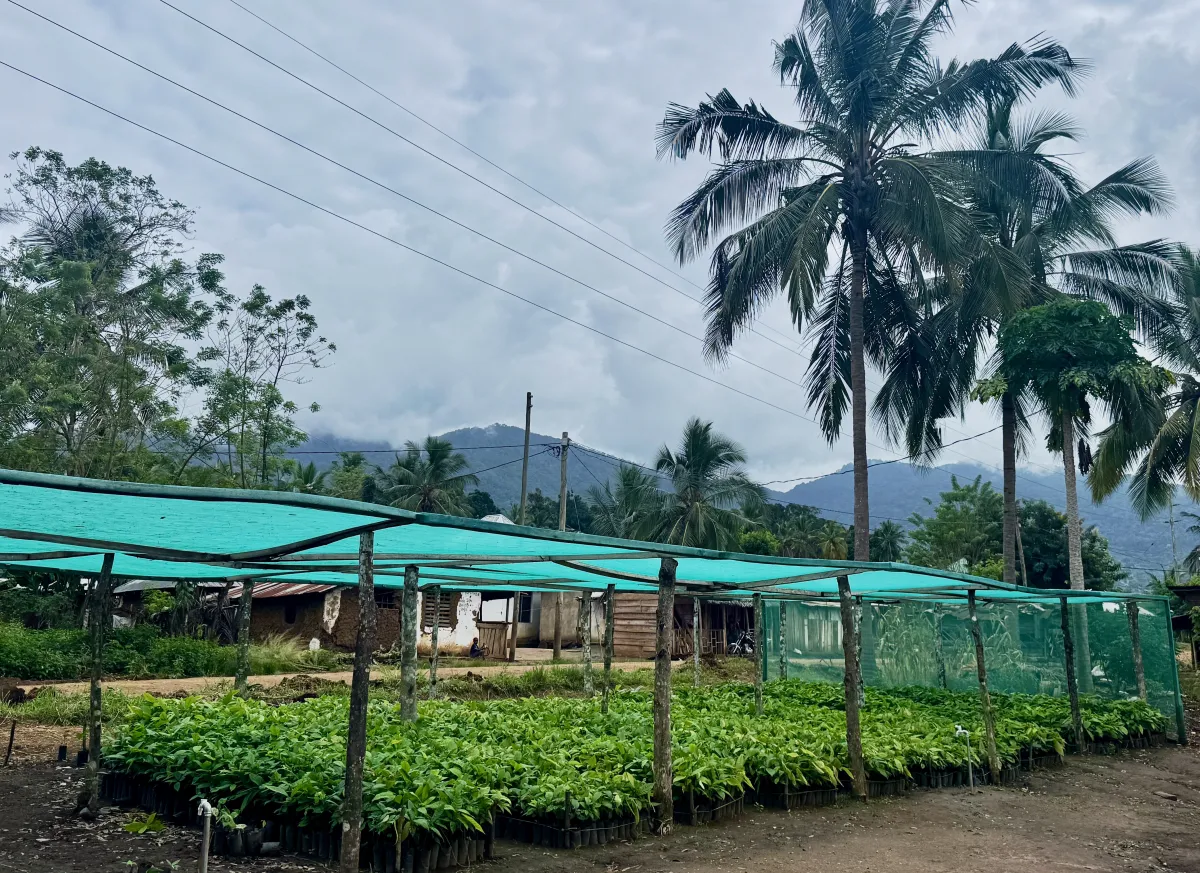
Looking backwards from East Africa’s first subnational green bond reveals how more than a decade of community partnerships and local institutions laid the foundations for financing conservation in Tanzania’s Zigi River catchment.