
Fashioning a sustainable future: Smith School MSc students drive impactful research with DIRT Charity
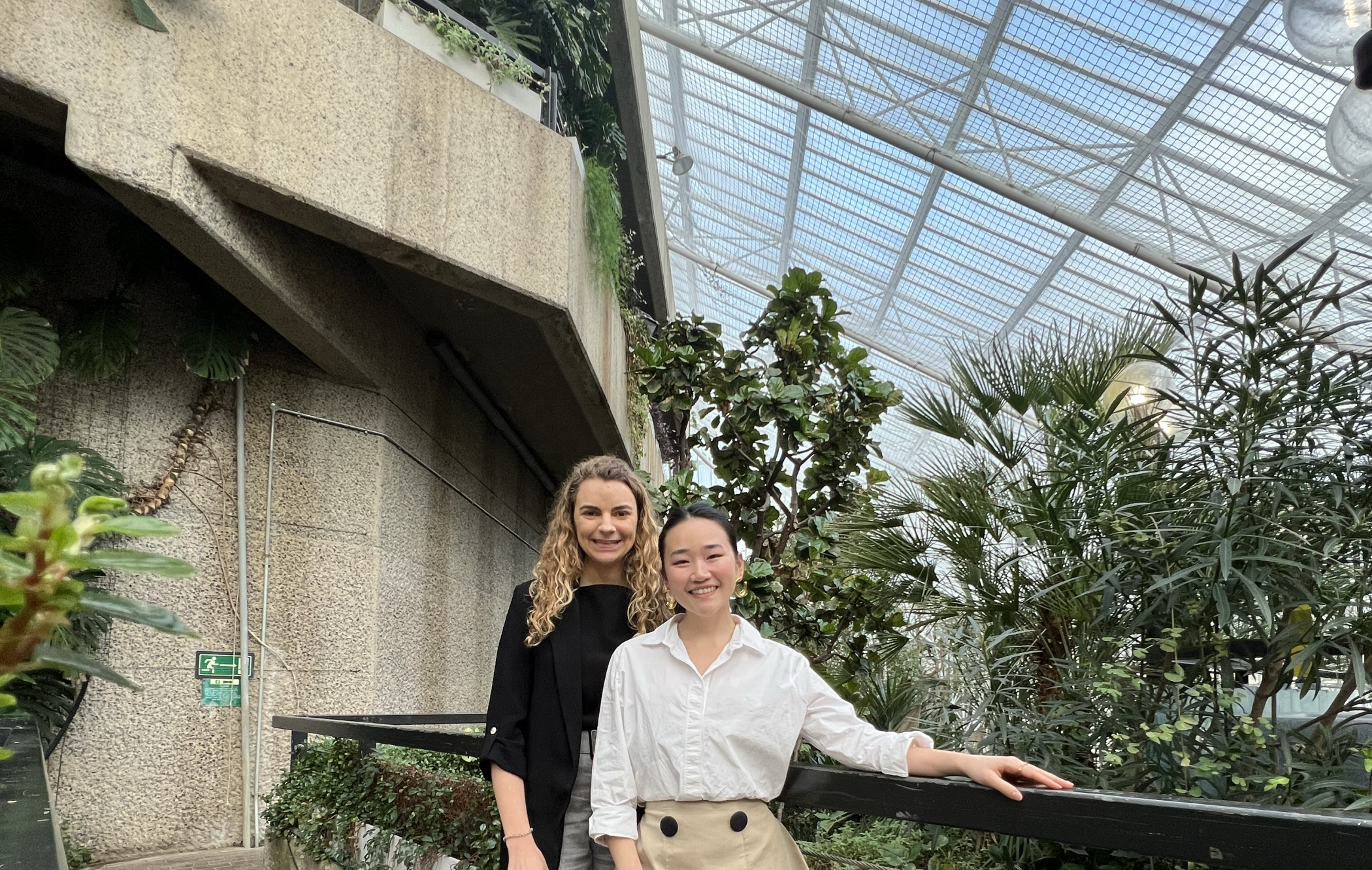
Studying a Masters programme goes beyond absorbing teachings on a subject, it also means having the freedom to experience new pathways to apply knowledge and put the theory into practice. The Smith School’s MSc in Sustainability, Enterprise and the Environment (SEE) provides a balanced intersection of academia and practical sustainability efforts, which is crucial for driving real-world change. For Megan and Clara, students from our MSc SEE, the research assistant (RA) position with DIRT Charity exemplified this synergy, offering a valuable avenue to explore the connection between sustainable fashion and agriculture.
DIRT Charity is a non-profit committed to building a regenerative future for fashion where sustainability is at the forefront of sourcing, using, and disposing of materials. Founded by model and activist Arizona Muse, DIRT believes fashion can be a climate solution. During this research project, Megan and Clara investigated the impacts of the fashion industry on textile agriculture and explored how a transition to regenerative farming practices could transform the industry.
An opportunity ignited while studying the MSc SEE
When a research role with DIRT Charity became available, both Clara and Megan jumped at the opportunity, which was perfectly aligned with their interests in fashion and agriculture.
Clara joined the MSc SEE programme with a clear goal of contributing to food and agricultural systems change. The DIRT Charity research role was the perfect fit to explore her preferred research theme while deepening her understanding of biodynamic agriculture practices within the fashion industry.
The Smith School is incredibly well connected in the field of sustainability, and as students we benefit from a wide range of research assistant opportunities beyond what I could have imagined before I came to Oxford
Megan joined the MSc SEE programme with a keen interest in sustainable fashion, aiming to pivot her career into the fashion industry. The chance to work with DIRT Charity and Arizona Muse on a report focused on textile agriculture in the context of sustainable fashion was an ideal fit. It allowed her to expand her learning experience with practitioners at the intersection of fashion and sustainability.
Throughout the year, I was struck by how many research assistantships became available, allowing me and many of my peers to pursue our unique interests.
A collaborative and empowering process
Working with Arizona Muse and the DIRT team proved to be both energising and educational for the students, who benefited from the team's passion and industry insights.
Megan highlighted the incredible passion and industry insight brought by Arizona Muse and the DIRT team. She also noted the valuable guidance provided by their academic supervisor, Sam Fankhauser, throughout the research. The students even had the opportunity to meet the whole team in person at a sustainable fashion conference in London, which helped Megan build a strong network for her dissertation and career exploration.
Beyond the research itself, this experience helped me build a strong network within the sustainable fashion space in London, which has been helpful for my dissertation and broader career exploration.
Clara felt it was an “absolute joy” to get to know Arizona and the DIRT. She emphasised the benefit of learning from the DIRT team's wealth of experience in fashion and biodynamic agriculture, which operated outside typical academic research processes. This integrated approach allowed them to efficiently contribute with relevant research and ensure the study results met DIRT's expectations.
Rather than working in the stereotypical research silo of academia, we were able to learn from the DIRT team’s wealth of experience in fashion and biodynamic agriculture and jointly iterate with the team along the way.
Bringing academic knowledge to real-world applications
Both Megan and Clara felt that the MSc SEE syllabus provided a good understanding of sustainability and business, which proved crucial in the development of this report, demonstrating the programme's practical applicability.
Clara identified several modules as particularly useful to undertake this project, including Professor Sam Fankhauser's module on Economics. She felt the research intersected theory learned in other modules like Systems Thinking, Water, and Sustainable Business.
Megan echoed Clara's sentiments and added that the expertise and experiences of her classmates were invaluable for shaping DIRT’s report.
Clara’s understanding of agriculture, combined with Megan’s knowledge of fashion, was a perfect combination of skillsets that both felt elevated the quality of their contributions to the report.
What have they learned?
In a world where fast fashion remains not only prevalent but growing exponentially, understanding challenges and opportunities within sustainable fashion and agriculture may be crucial to shift the current trend. Both students found this opportunity valuable to further their understanding of the fashion industry, and they gained a new perspective on its challenges and potential solutions.
Megan uncovered a critical finding through her original analysis: almost a third of the global agricultural land is used for the upkeep of animals to deliver leather and wool. She was shocked by the fragmented and inconsistent data in this space, noting that many aspects of fashion and textile agriculture are poorly measured, hindering impact assessment and progress tracking.
Many aspects of fashion and textile agriculture are still poorly measured, making it difficult to assess impact or track progress. It highlighted for me the critical need for better data to guide innovation and decision-making in sustainable fashion.
Mycelium connects plants under the soil, acting as their way of communicating, sharing resources and, quite astonishingly, warning each other of potential threats. She learned how this fungal network demonstrates the interconnectedness of ecosystems and the potential for sustainable fashion to contribute to ecosystem health by supporting biodynamic agriculture practices.
I went down a rabbit hole of learning about mycelium, the underground network often called the “Wood Wide Web.”
Shaping future careers in sustainability
The experience profoundly influenced both Clara's and Megan's career paths, solidifying their commitment to tackling "wicked problems" in sustainability.
By collaborating on this report, Clara felt a refreshed sense of commitment to regenerative agriculture systems change, aiming to restore ecosystem health and support social well-being. She recognised fashion's significant influence on agricultural land, identifying it as a substantial leverage point for agricultural systems change.
While fashion has not previously been my primary focus area, it was an important learning that fashion influences more than 30 percent of all agricultural land, making it a substantial leverage point for agricultural systems change.
For Megan, the project deepened her passion for sustainable fashion, seeing it as a complex, systems-level challenge – precisely the kind of "wicked problem" she wishes to address in her future career.
The experience has not only sharpened my understanding of the industry but also connected me with a strong community of like-minded professionals.
MSc SEE, engaging in sustainability through practice
For Megan and Clara, the MSc SEE was seen as an opportunity to engage deeply with sustainability, and its practical focus was one of the top qualities that made the course attractive.
They appreciate how the Smith School bridges academic research and industry applications for systems-level change. Megan, who comes from management consulting, desired a strong foundation across science, economics, and business, finding the MSc SEE provided the balance, freedom, and support to pursue her niche within sustainability.
The MSc in Sustainability, Enterprise and the Environment offers hands-on research experience in preparing the next generation of sustainability leaders to tackle complex global challenges.