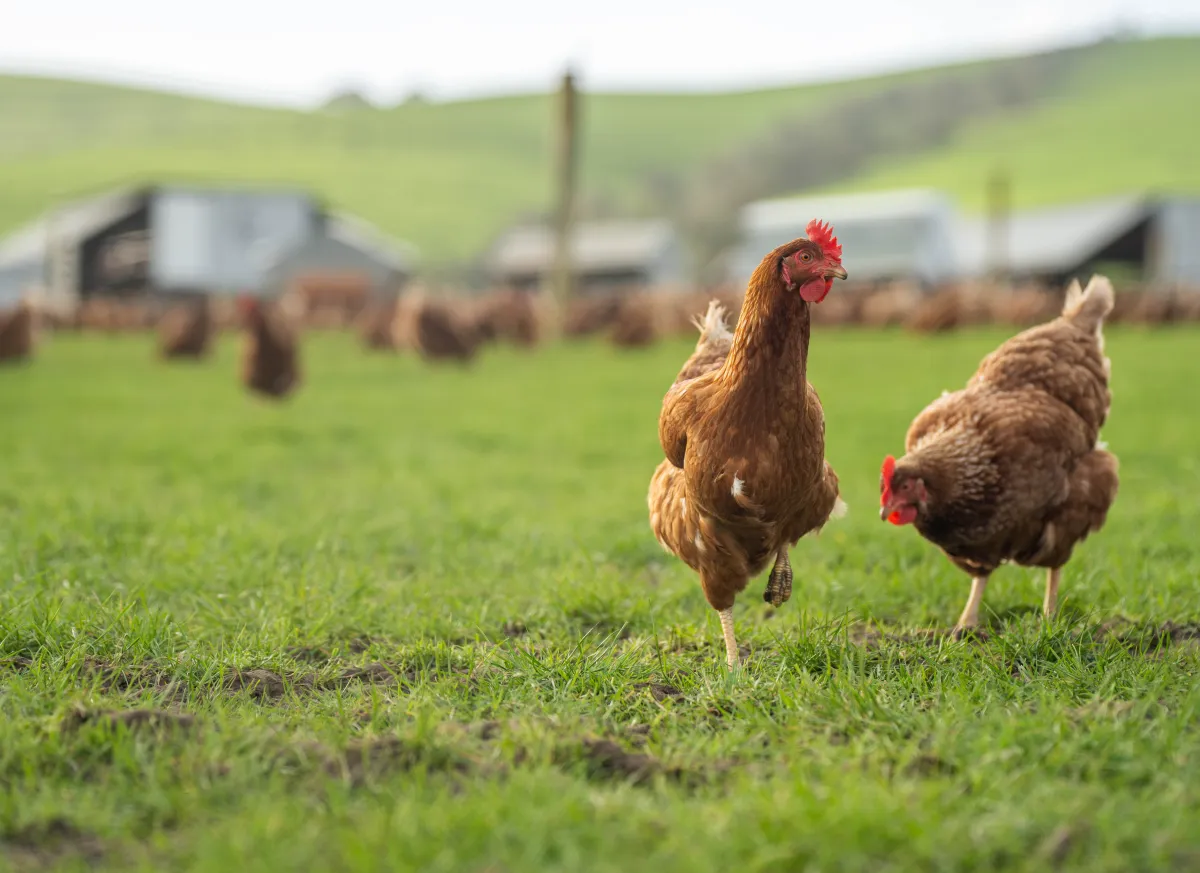
Organic free-range eggs ‘are worst for the environment’
Allowing hens to roam outside is good for their welfare but produces more carbon emissions and polluting waste, according to a new Smith School study co-authored by Dr Harriet Bartlett.
The Guardian explores the implications of new research co-authored by Dr Harriet Bartlett, which found that organic free-range eggs have the greatest impact on the environment and climate. “I’d say perhaps it’s also a little bit of a blind spot when we talk about sustainability. Meat and dairy get a bit more attention, talking about environmental sustainability, whereas [egg production] hasn’t been as researched,” said Dr Bartlett.
A new study published in Royal Society Open Science today reveals striking trade-offs when it comes to different methods of egg production.
A video game designed to help players make more sustainable food choices earned an innovation award from the Playing for the Planet alliance.
Ethical Corporation Magazine, a part of Thomson Reuters, explores rapidly growing concern over stranded assets (where investment assets become liabilities) for the agricultural industry.
'Logically Facts' spoke to Dr Adam Parr to debunk the false claim that net zero measures including the banning of nitrogen fertilizers would be a 'death wish' for populations. In fact the opposite is true - stabilizing global temperature is essential to reduce the death and suffering already being caused by global heating and fossil fuel air pollution.
Mike Clark, Director of the Sustainable Food Programme at the Smith School, weighs in on the climate and land-use pros and cons of eating organic.
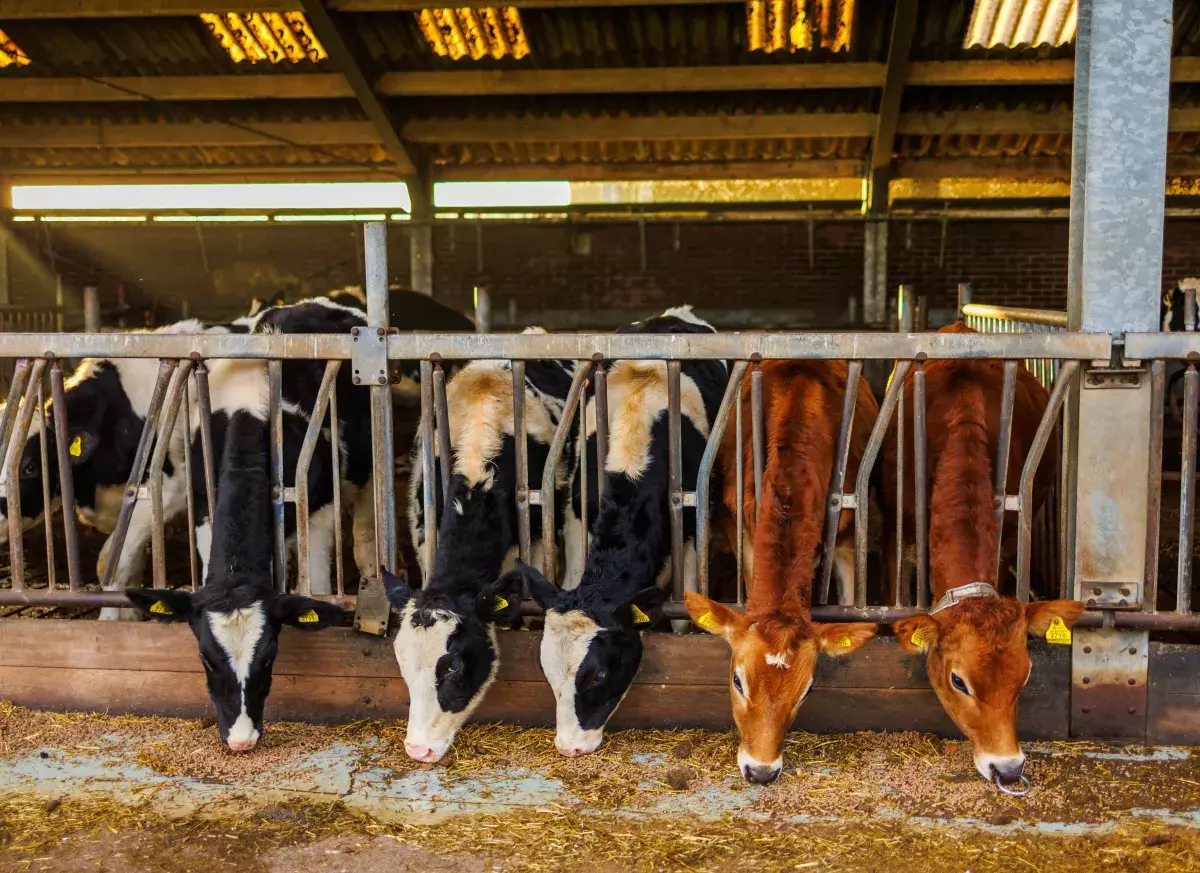
In a letter published in Science, research associate Dr Divya Narain challenge's the UN Food and Agriculture Organisation's recommendations on livestock intensification as a solution to emissions.
BBC Farming Today interviewed Dr Harriet Bartlett about research she led into different types of pig farming, which concludes the current pork labelling schemes do not help to identify the best pig farms for the climate, anti-biotic use, environment and animal welfare overall. "Our results really show that instead of [labelling systems] focusing on the production method or farm type, it would be much better to focus on outcomes that people care about, so actual outcomes for animal welfare and the environment," said Dr Bartlett.