The Cooling Problem
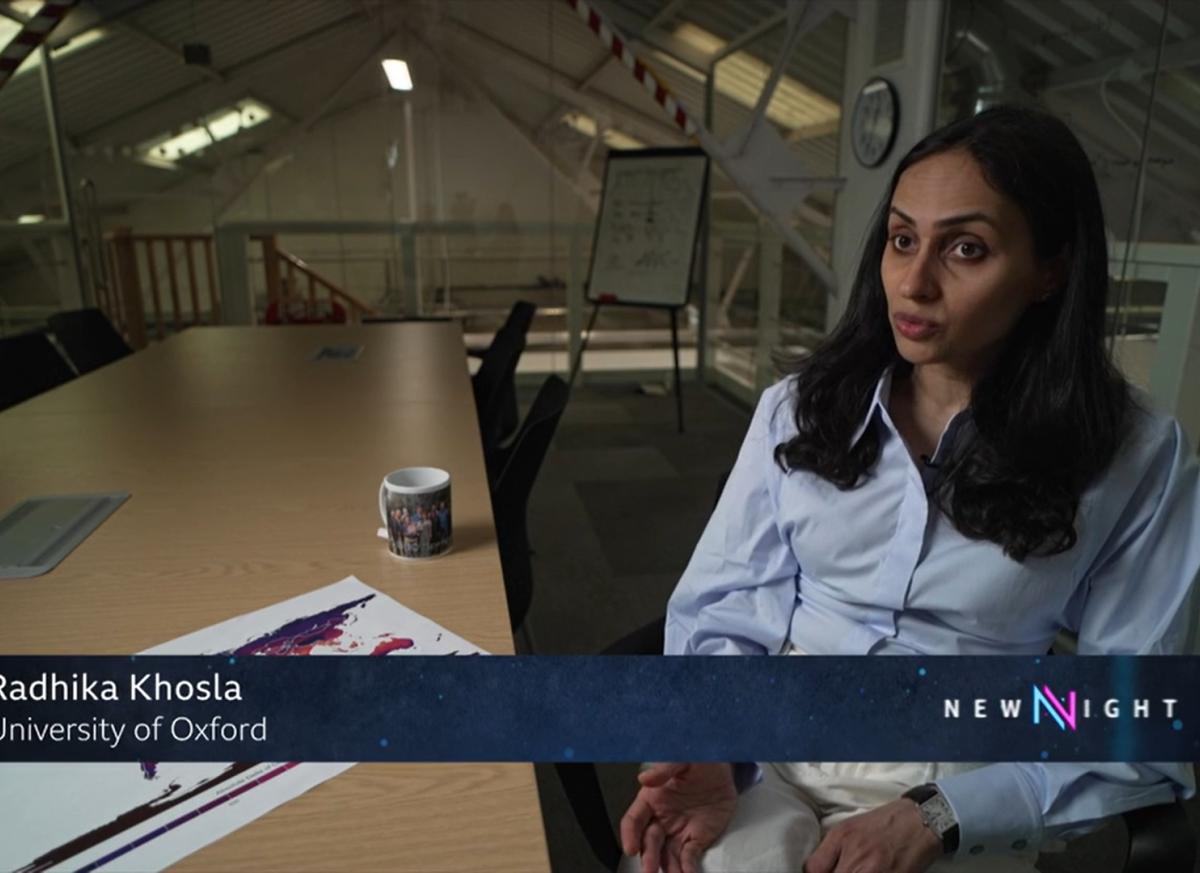
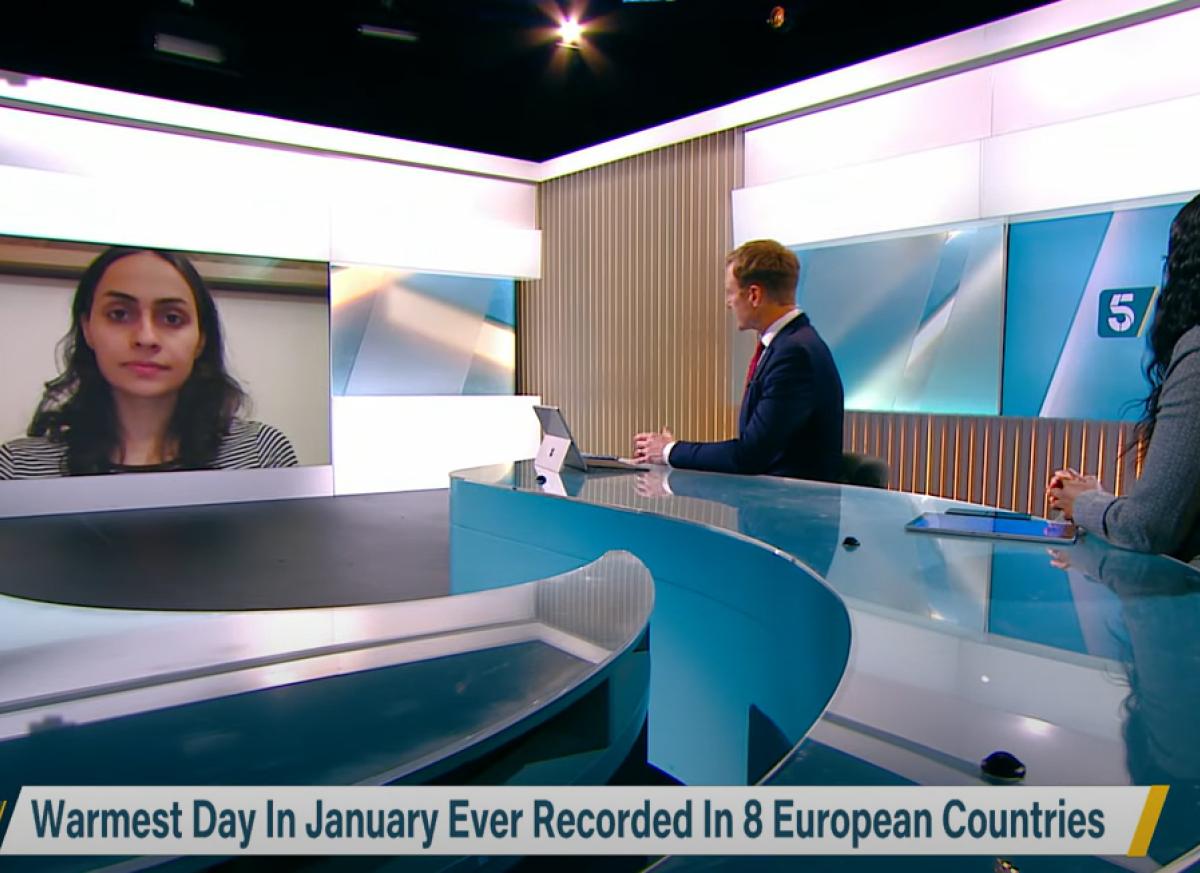
As record-breaking heat hits the UK and USA, Dr Radhika Khosla, co-Director of the Oxford Martin Programme on the Future of Cooling, speaks with the New York Times about how to keep people cool - without cooking the planet.
The U.K. is in the midst of a record-breaking heatwave, with temperatures expected to reach 34C. Dr Radhika Khosla warns: "The health implications of rising temperatures in the UK are serious... the risk of cardiopulmonary and cardiovascular problems increases among older adults, young children, people with chronic conditions, athletes and outdoor workers."
"As renewables grow more widespread and affordable, it’s becoming increasingly possible to balance growth with sustainability. For cooling in India, Oxford University sustainable development expert Radhika Khosla told me, passive cooling methods, such as shading, natural ventilation, green roofs or reflective white roofs, and changing working schedules and hydration practices when possible will continue to be vital for people who can’t afford air conditioners or work most of the day outdoors."
Recent heatwaves in India and Pakistan have seen temperatures rise to unprecedented levels. Dr Radhika Khosla discussed the knock-on effect the demand for cooling systems like air conditioning. "Right now most air conditioners that are being used are not even near half the level of energy efficiency that they could be," she said.
Associate Professor Radhika Khosla told the Financial Times that rising temperatures and changing demographics will increase the demand for cooling systems in Asia. 'It is hard to say to families at the cusp of an increase in income that they should not have access to a service that is tied to the idea of development... India and Indonesia are on track for very high penetration of air conditioners in the next decade,' she said.
The Times of India covers new research from Radhika Khosla and international partners across North America, Europe and Asia, finding that cheap technology and sufficient skills already exist worldwide to achieve net-zero energy buildings at costs in the range of traditional projects. The article explores net-zero solutions and the implications of the study in Delhi.
'A proliferation in traditional air conditioning meant to protect people from intense heat could also exacerbate global warming,' writes Scientific American. This in-depth article explores cutting-edge research from Radhika Khosla and colleagues at Oxford's Future of Cooling Programme as they explore sustainable cooling and reveal its impacts on each of the sustainable development goals.
As extreme heat grows with climate change, finding cheaper and greener cooling is crucial to protect both people and the climate. "By the end of the century, global energy demand for cooling will be more than it is for heating," Dr Radhika Khosla told the Thomson Reuters Foundation. Dr Khosla is a senior researcher at the Smith School of Enterprise and the Environment and leads the Oxford Martin programme on the future of cooling.