

Stranded assets and transition finance
Overview
Since our inception we have conducted pioneering research on stranded assets and continue to undertake significant research on the topic.
Our work
A core part of this work is researching environment-related risks that can strand assets across different sectors, geographies, and asset classes; how such risks are emerging; how they might be interrelated or correlated; their materiality (in terms of scale, impact, timing, and likelihood); who will be affected; and what affected groups can do to pre-emptively manage these risks.
Growing from and related to this is work on transition finance: the provision and use of financial products and services to support counterparties, such as companies, sovereigns, and individuals, to align with environmental and social sustainability (Caldecott, 2020).
Effective transition finance depends on credible transition planning. We research the design, content, assurance, and use of transition plans, including the role of mandatory disclosure regimes, supervisory expectations, and stewardship in driving plan quality and execution. Our work on the UK Transition Plan Taskforce informs this agenda directly.
Counterparties successfully transitioning towards sustainability is one critically important way to avoid future stranded assets. We are exploring how counterparties can do this, the role of finance and financial services in enabling transitions, and the reforms needed in policy and regulation to support a more rapid transition.
Research topics include:
- Financial products and services to support the transition, including sustainability-linked instruments.
- Implications of stranded assets on corporate strategy.
- Transition plans: design, disclosure, assurance, and use by financial institutions and corporates.
- Climate and environmental stress tests and scenarios, including supervisory and macroprudential applications.
- Measuring the performance of sustainability-linked instruments and other transition-finance products.
- Reforming the financial system and the role of central banks and supervisors.
- The future of different sectors particularly exposed to stranded assets.
- Stewardship and engagement as a tool to support the transition, including engagement in asset classes beyond listed equities, measuring engagement performance, and place-based engagement.
- Firm-level ESG performance and its relationship with macro-economic performance.
- Changing risk preferences across the financial system as a result of the energy transition.
- Analysing performance of (un)sustainable investments in different asset classes using novel datasets.
- Stranded assets in the food and agriculture sector, including the work led by Stephanie Walton on the US cattle and beef industry.
Our 2014 working paper 'Stranded assets and scenarios' sets out the concept of stranded assets.
Projects, programmes, and special initiatives
Our team





Stephanie Walton, Doctor of Philosophy (DPhil) in Geography and the Environment
Select media coverage
The US cattle industry is eating its own tail. Stephanie Walton, a researcher at the Oxford Sustainable Finance Group, writes in the Financial Times on the financial implications of the US cattle industry's reliance on a system its own emissions and water use are undermining. "With warming and water depletion rates on their current trajectory, it will not be able to recover its former scale. Instead it will continue to phase down with more and more stranded assets including machinery, meatpacking plants and, if water levels can no longer sustain agriculture or development, land."
New research highlights scale of potential stranded assets in the food sector. Investments in the food sector face substantial economic and financial risks due to potential asset stranding, according to a Perspective published in Nature Food.
FT: Lex in depth: the $900bn cost of 'stranded energy assets'. "If the 1.5C climate target were to be met, over 80 per cent of hydrocarbon assets would be worthless." Ben Caldecott comments in the FT Lex column on the Smith School-led concept of stranded assets.

FT: Lex in depth: the $900bn cost of 'stranded energy assets '
"If the 1.5C climate target were to be met, over 80 per cent of hydrocarbon assets would be worthless." Ben Caldecott comments in the FT Lex column on the Smith School-led concept of stranded assets.
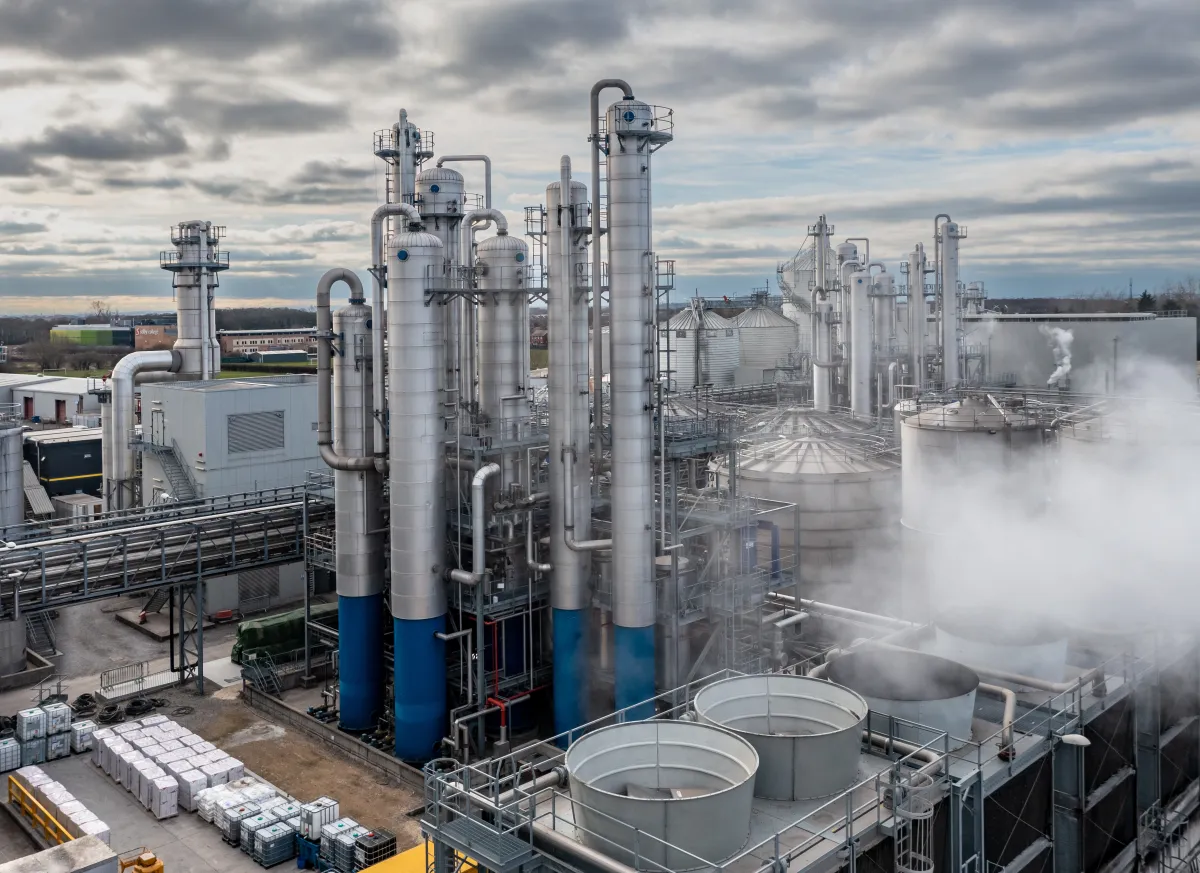
New research highlights scale of potential stranded assets in the food sector
New research highlights scale of potential stranded assets in the food sector. Investments in the food sector face substantial economic and financial risks due to potential asset stranding, according to a Perspective published in Nature Food.

Food brands and investors scramble to stave off risk of stranded assets
Ethical Corporation Magazine, a part of Thomson Reuters, explores rapidly growing concern over stranded assets (where investment assets become liabilities) for the agricultural industry.