

Since our foundation we have made significant and sustained contributions to the field, including in some of the following areas:
- Developing the concept of stranded assets, now a core element of the theory and practice of sustainable finance.
- Contributions to the theory and practice of measuring environmental risks and impacts via new forms of geospatial data and analysis, including introducing the idea and importance of spatial finance and asset-level data.
- Shaping the theory and practice of supervision as it relates to sustainability through long-running engagement with central banks and financial supervisors. We were the first academic group to engage with central banks and financial supervisors on climate-related financial risk.
- Working closely with policymakers to design and implement policies that support sustainable finance, including the UK Green Finance Taskforce and the UK Green Finance Strategy, and through successive UNFCCC processes.
- Establishing the Public and Third Sector Academy for Sustainable Finance (P3SA), a global capacity-building platform that has trained thousands of officials working in governments, central banks, and civil society organisations from across the world.
- Contributing to international scientific processes, including the IPCC's Seventh Assessment Report (AR7, WGIII), where our director serves as a Coordinating Lead Author.
- Co-leading the development of the Transition Plan Taskforce (TPT) framework and guidance, now embedded in regulation and adopted internationally via the International Sustainability Standards Board (ISSB).
- Founding the Agentic Finance Initiative, the first dedicated research and policy programme on the financial dimensions of the agentic economy.
- Nurturing the expansion of a rigorous academic community internationally by conceiving, founding, and co-chairing theGlobal Research Alliance for Sustainable Finance and Investment (GRASFI), an alliance of global research universities promoting rigorous and impactful academic research on sustainable finance.
Oxford Sustainable Finance Group
Video transcript
We need to make sure that all financial decision making takes account of the environment and of sustainability. And this needs to happen very, very quickly. The Oxford Sustainable Finance Group is a world-leading centre focused on aligning finance with global environmental sustainability. We work very closely with stakeholders across the financial system - banks, asset managers asset owners, insurers, supervisors, central banks, to help them to talk about these problems and co-create solutions and integrate climate change into financial decision making around the world.
We achieve our mission through pioneering research, through teaching and also through engagement, training the next generation of PhD students, to undergraduates, to very senior executives. If we're going to green the global financial system, we need the best people to have the knowledge, to have the networks, to be able to influence.
The community is growing. It's one of the largest concentrations of researchers working on sustainable finance anywhere in the world. We work to create the future of sustainable finance.
Our work




Keep in touch
Latest news
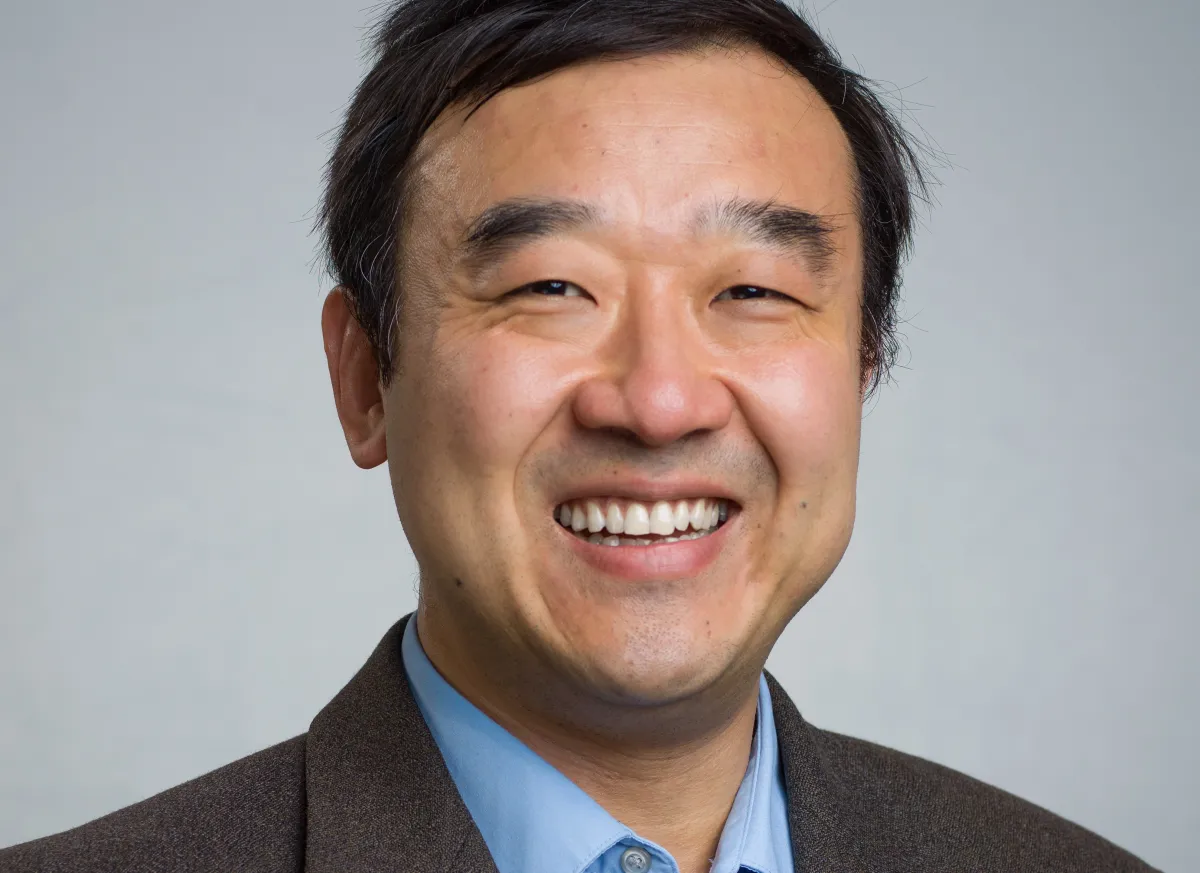
Why time matters in carbon accounting
Writing in Financial Management, Jimmy Jia argues that current carbon accounting methods fail to account properly for the timing of emissions and removals, making it harder to assess long-term climate impacts and investment decisions. Alongside co-author Jeremy Osborn, Jia proposes a new method, called the "General-Purpose Life Cycle Assessment (GP-LCA)," incorporating concepts of double-entry bookkeeping as a means to track the passage of time for carbon emissions accounting.

The bill has come due. But no one wants to pay for climate mitigation
Writing in Fortune, Stephanie Walton calls for the costs of transitioning to a more sustainable and resilient world to be reckoned with.

Banks give higher credit risk ratings to lower emitters
A new working paper by Matteo Gasparin and Fulvia Marotta finds that banks give higher credit risk ratings to lower emission companies. "The results suggest that current regulatory frameworks may struggle to capture risks associated with the [energy] transition before they become visible in realised defaults," said Marotta.
Events
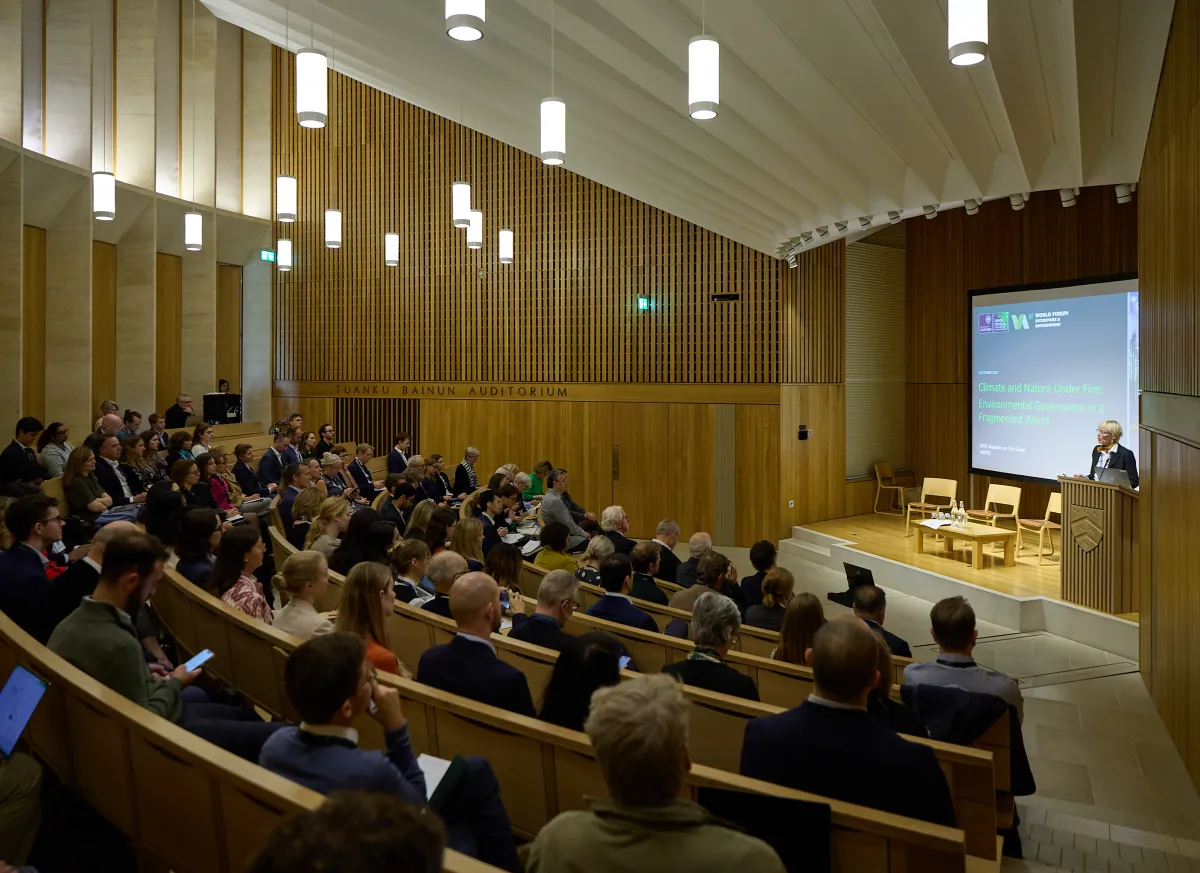
World Forum on Enterprise & the Environment 2026
The Smith School’s flagship event is back!
Paris 2.0: Reinventing Climate Leadership in Turbulent Times

Oxford at London Climate Action Week 2026
For the first time ever, the University of Oxford is hosting a two-day event at LCAW showcasing new research, policy insights, and corporate action. We hope to see many of you there!
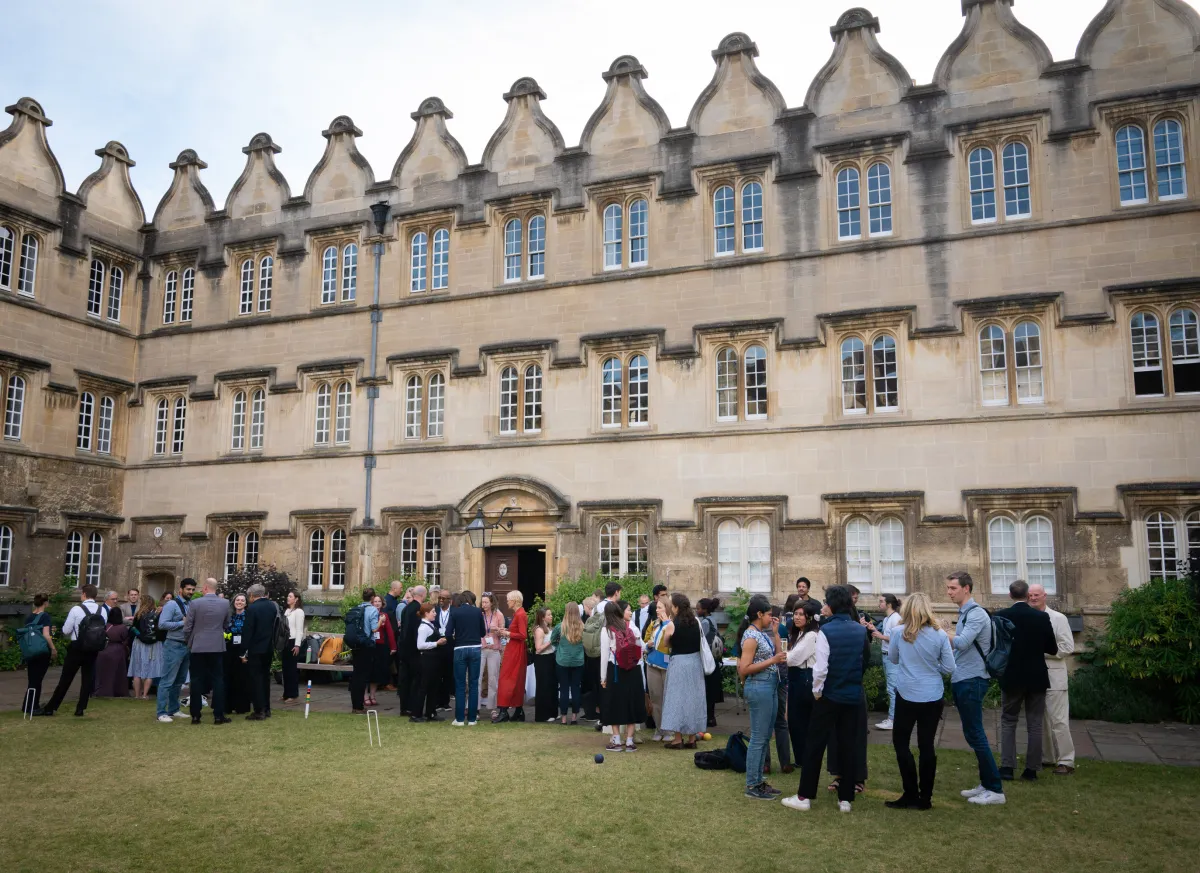
Smith School Summer Celebration
The Smith School's Summer Celebration event is back. University of Oxford. Invitation only.