

Future-Proofing Business and the Economy
In brief
| Dates | TBC Autumn 2027 |
|---|---|
| Format | Hybrid Self-paced online 3-day residential in Oxford |
| Location | University of Oxford college |
| Register | |
| Fees | - Private sector: TBC - Public and third sector: TBC (developed world applicants) - Accommodation: (optional - 3 nights) TBC |
Overview
'Future-proofing Business and the Economy' is a new executive education programme designed to equip senior leaders with the insights, tools, and confidence to navigate accelerating global change and the green transition. Delivered through a unique partnership between the United Nations and the University of Oxford, the programme combines self-paced online learning with a 3-day residential in Oxford.
Register your interest
Download the curriculum (PDF - 12 pages)
Why take this course?
Today leaders in government, business, and finance must take decisions in an environment of growing uncertainty. This course will help you navigate these uncertainties – and seize new opportunities – with confidence, foresight, and purpose.
- You will gain insights on global policy trends and signals from the UN team, combined with practical tools for strategic planning, and access to the latest research from leading Oxford academics.
- You will explore the key political, economic, environmental, and technological drivers reshaping economies, and the risks and opportunities these shifts present.
- You will examine how enterprises and economies can remain competitive, resilient and inclusive in an increasingly uncertain, multipolar world, and how you can lead this transformation within your own institution.
- You will learn from peers in senior leadership positions and join a UN-Oxford alumni community of like-minded leaders from around the world committed to evidence-based, forward-looking decision-making.
The programme is jointly delivered by the United Nations Partnership for Action on Green Economy (PAGE) – an alliance of five UN agencies (UNEP, UNDP, ILO, UNIDO, and UNITAR) – and the University of Oxford Smith School of Enterprise and the Environment, internationally recognized for its transformative executive education.
Who should apply?
- Senior management of private companies with a lead role in sustainability, strategy, or risk management.
- Senior officials from Ministries of Finance, Economy, Industry, Planning, Labour, Environment and other relevant government agencies
- Executives from central banks and other financial institutions engaged in the transition towards net-zero.
- Representatives from workers’ and employers’ associations, civil society and the development sector engaged in a green and just transition.
Curriculum
The programme consists of three integrated components:
- Online, self-paced learning
- Three-day in-person residential programme in Oxford
- Leadership challenge: developing a bespoke action plan with peer and expert feedback
Download the curriculum (PDF - 12 pages)
The Oxford residential consists of expert lectures and panel sessions as well as practical tools for strategic decision making. Real-world scenarios, simulations, and interactive workshops provide participants with opportunities to test and apply what they have learned to their own context.
Collaborative and dynamic peer-learning is a key part of the programme, encouraging participants to share best practices and discuss challenges and successes across regions and sectors.
Participants will investigate the key forces reshaping the economy, including environmental risks, geopolitical uncertainty, technological change, labour market transformation, inequality and natural capital depletion – and explore how these forces interact.
Watch the taster sessions
- The Future of Work - with guest speakers Olga Strietska-Ilina from the International Labour Organization and Fernanda Senra de Moura from Oxford's Institute of New Economic Thinking
- Future-Proofing Business and the Economy - with guest speakers Sam Fankhauser, Director of the Oxford Smith School & Steven Stone, Deputy Director, Industry and Economy Division, UNEP
- Leading the Transition - with guest speakers Bettina Wittneben, Departmental Lecturer in Management at the Saïd Business School, and Denise Rotondo, Chief Sustainability Officers Community Manager at the World Economic Forum
Participants will complete 4-5 hours of self-paced online learning in advance of the in-person residential training. This content includes selected UN PAGE e-learning courses and ensures a common understanding ahead of the training in Oxford.
This part of the programme will focus on three key areas:
Day 1: Key Trends and Drivers of Change
Day 2: Futureproofing and Strategic Decision-Making
Day 3: Leading the Transition
An interactive session will provide structured space for participants to apply learnings and develop a practical action plan tailored to their own organisational and policy context, with guidance from experts.
What does the course cover?
The programme addresses core questions facing both the public and private sectors as sustainability becomes central to economic strategy, planning, and financial decision-making, such as:
- Which policies and business strategies can unlock growth, while ensuring inclusivity?
- How do new technologies emerge and diffuse across firms, sectors and economies, and how does this shape long-term growth and productivity?
- How to best prepare the labour force for the national and global transition, preventing skills shortages and creating new jobs?
- What are emerging trends and risks that leaders must anticipate to remain resilient?
Throughout the programme, participants will:
- Examine emerging political, economic, technological, and environmental trends shaping future economies
- Apply tools to identify risks and seize opportunities within the sustainability transition
- Explore the economic, environmental, and social implications of different policy and business scenarios
- Engage with other senior leaders from across regions and sectors on the most pressing issues of our time
Oxford in-person modules
Day 1 focuses on the global, macro-level forces reshaping economies and enterprises. Individual sessions examine climate risk, changing economic paradigms, technological change and diffusion, global supply chains, and digital innovation (including AI), and explore the implications these shifts have for competitiveness, resilience, inclusion and long-term transformation. Through the panel discussion and signal-scanning workshop, the day helps participants move beyond linear or siloed interpretations of change towards a more systems-level understanding of uncertainty, emerging risk, and strategic opportunity.
Example sessions include:
- Assessing Climate Risks and Seizing Opportunities
- Rethinking the Economy and Economics
- Mapping Economic Growth, and Technology Progress and Diffusion
- Building Greener and Resilient Global Supply Chains
- Harnessing Digital Innovation in Policy and Business
- Panel: Navigating Uncertainty across Technology, Narratives and Policy in the Green Transition
To request a complete curriculum and speaker list, please register your interest in the course.
Day 2 examines how the macro-level forces explored on Day 1 interact with policies and markets. Sessions focus on public finance and resilience, climate policies, environmental markets, and circular economy approaches and the implications for labour markets, skills, and employment. The day is designed to help participants understand how policy choices, market mechanisms, and institutional arrangements shape behaviour, distributional outcomes, and the real-world effectiveness of the green transition, and how these can be aligned to future-proof more resilient economies and enterprises.
Example sessions include:
- Reshaphing our Economies: Public Finance, Resilience and the Green Economy Practice
- Designing Climate Policies for Real World Outcomes
- Tackling Resource Constraints through Circular Economy Strategies
- Building Skills and Jobs for a Greener Future
- Panel: Delivering a Just Transition
To request a complete curriculum and speaker list, please register your interest in the course.
Day 3 shifts the focus to organisational response and leadership in practice. Sessions examine how governments and enterprises can design and assess credible transition strategies, track progress in response to growing accountability pressures, and manage increasing legal risks. The final workshop and Leadership Challenge sessions provide a structured space for participants to translate the insights gained from the programme into practical commitments and action plans, tailored to their own organisational and policy contexts – supporting the move from strategy to execution.
Example sessions include:
- Designing Strategies for Sustainability and Responsibility
- Tracking Progress and Strengthening Accountability
- Managing Legal Duties and Climate Liability
- Leading the Transition
- Risks and Reflexivity
- Leadership Challenge - Action Planning
To request a complete curriculum and speaker list, please register your interest in the course.


Oxford University speakers


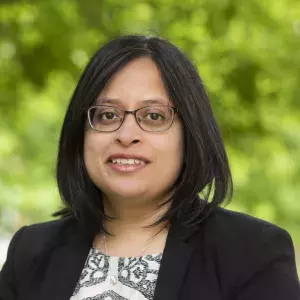


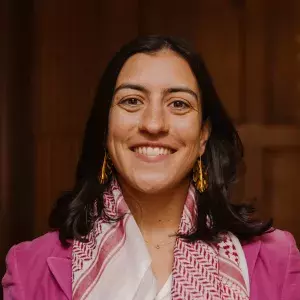
UN PAGE speakers
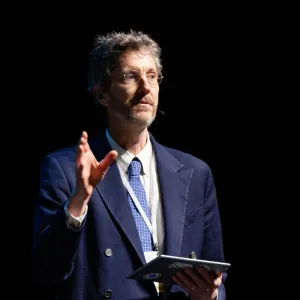
Steven Stone

Božena Destin Bobková
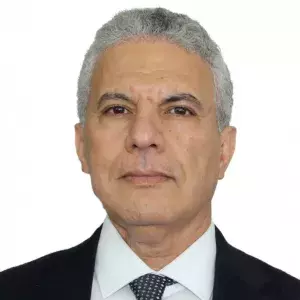


Hae Kyeung Chun

Reina Otsuka

Amrei Horstbrink-Gavillet
Apply or learn more
Secure your place at the forefront of sustainable business and economic transformation. Applicants will be expected to demonstrate their suitability for the programme in terms of:
- The relevance of the programme to their current role and organisation.
- Their professional experience and potential, particularly in areas related to programme content.
- Applications will be reviewed and places awarded on an ongoing basis.
* Please note that completion of the application form does not commit you to payment for the course.
Want to learn more about the course without committing to payment straight away? Contact our Executive Education team to schedule a call or ask for more information about the course:
executive.education@smithschool.ox.ac.uk
The fee for the programme is £5,500. There is a discretionary discounted rate of £4,000 for participants whose proven primary employment is in the public and third sectors. We define the public and third sectors as:
- central or local government
- regulatory agencies
- supervisory authorities
- central banks
- multilateral institutions
- non-profit civil society organisations
- registered charities
- philanthropic organisations
- workers' associations
- employers' associations
State-backed companies, including public financial institutions, operating to make a commercial return are not eligible for discretionary discounts. Nor are consultants serving public and third sector clients.
We apply the discretionary discount on a case-by-case basis and may request further information from you and your employer before we can process a discount.
The programme fee includes all teaching costs, en-suite accommodation at an Oxford college for three nights, some evening activities, breakfast, lunch, and some dinners. It does not include the cost of travel to and from Oxford, visas, insurance or any personal expenses.
* The application deadline for fellowships ended on 15 April 2026 *
Up to ten (10) Fellowships will be offered for eligible public sector officials and representatives workers’ and employers’ organisations from low- to upper-middle-income countries to participate in the programme.
The Fellowships cover the full programme fee plus accommodation for the duration of the 3-day residential training in Oxford. A small number of applicants from least developed countries may also be eligible for travel support to and from the training.
To apply for a Fellowship, applicants are required to complete an online application form and submit a short motivation statement, a letter of support from their organisation, and their full CV.
Additional information on the Fellowship and application process [PDF]
Individuals working in the private sector, for the United Nations system or other international organisations are not eligible for fellowship support, regardless of nationality.
The Fellowships are supported by the generous contributions of the PAGE funding partners, whose support, financial, and in-kind contributions are integral to enabling countries to transform their economies into drivers of sustainability. 
Applications are reviewed for suitability to the programme, and if the application is accepted, notification will be sent with a link for online payment.
Payment is due within 30 days of notification of acceptance, or 3 weeks before the programme begins, whichever is sooner. Registration will be confirmed on receipt of full payment of the programme fee. Places are allocated in order of receipt of payment. Prices are subject to revision.
Please read our full Terms and Conditions.
The School's alumni network enables participants to share updates, access tools, and collaborate post-programme. It will serve as an enduring source of support, best practices, and evolving solutions to address emerging challenges.
Alumni receive invitations to our events and conferences as part of our growing community, and are eligible for a 15% discount on other Smith School open-enrolment executive education programmes.
Executive Education at the Smith School
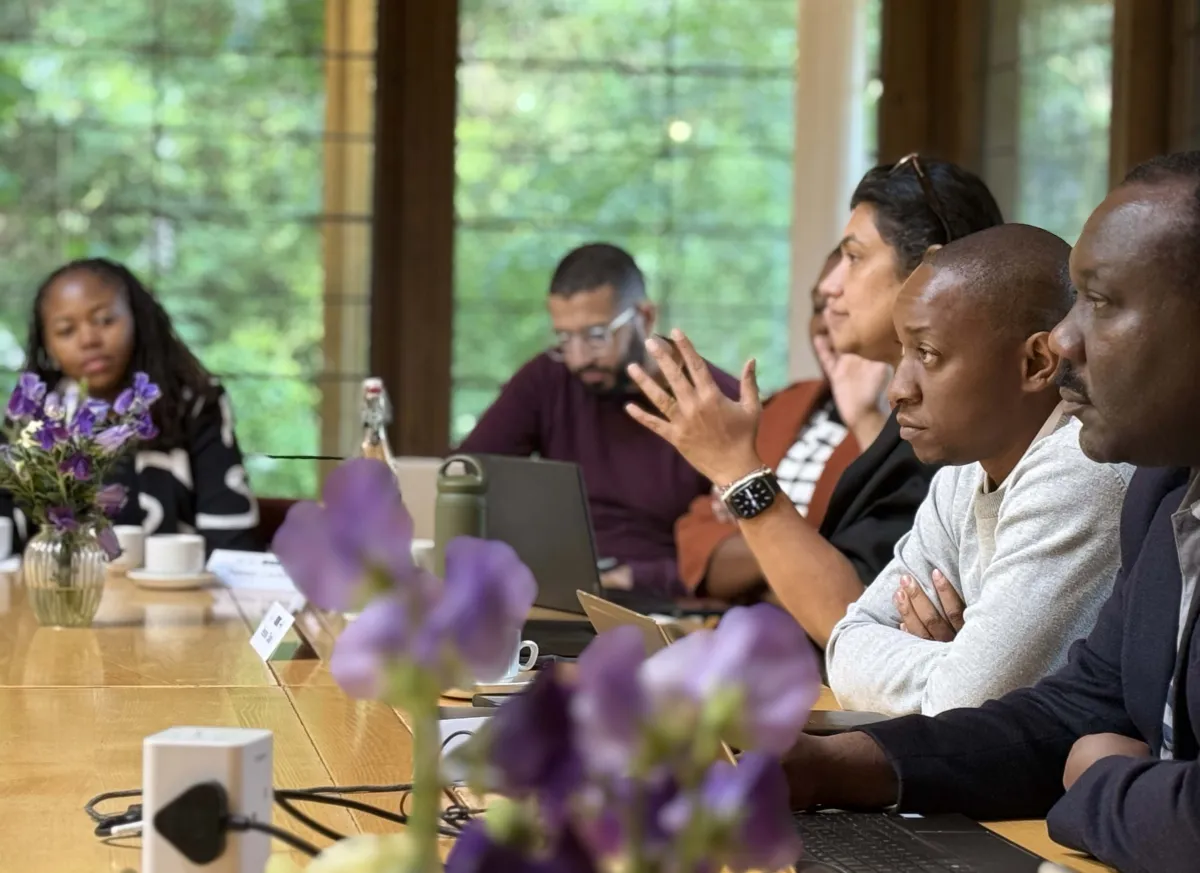
Advancing Natural capital investment in Africa through collaboration and executive education
Natural capital is increasingly understood to play a fundamental role in the global economy. Nowhere is this more true than in Africa, where we need scalable projects backed by high-quality evidence and cross-sector collaboration.
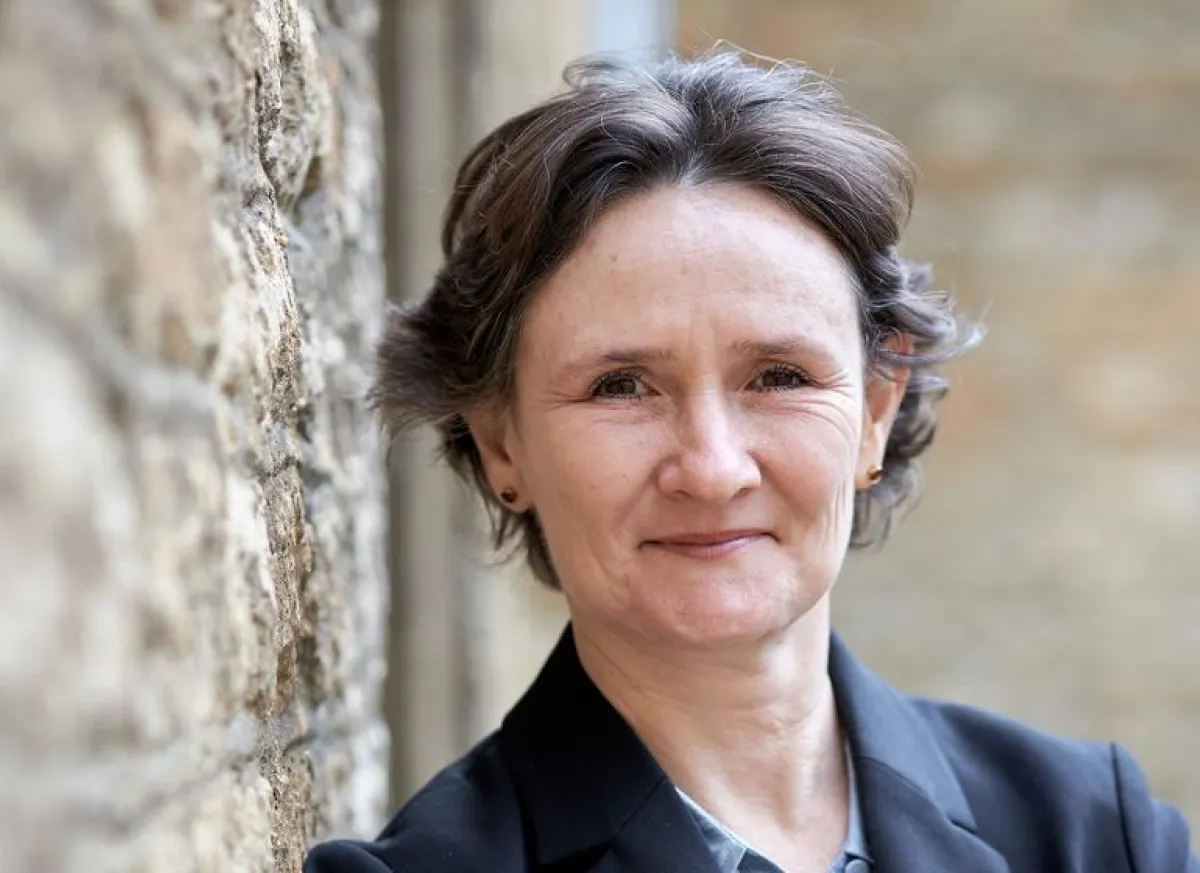
London Climate Action Week: a message from the Vice-Chancellor
University of Oxford VC Professor Irene Tracey introduces Oxford's first ever pan-University presence at #LCAW2026. With 1300+ events and nearly 100K attendees, LCAW is the world's biggest climate action event.
Oxford School of Geography & the Environment tops 2026 QS World University Rankings
This is the sixteenth consecutive year that the School of Geography and the Environment (SoGE) has achieved this recognition. The University of Oxford also secured first place in three other subjects, making it the UK university with the most courses ranked top in the world.
Application form – collection notice
Information collected in the Application Form above will only be used for the purpose of evaluating your application to the Future-Proofing Business and the Economy Programme at the Smith School of Enterprise and the Environment (SSEE), School of Geography and the Environment (SoGE), University of Oxford, and will not be made available to third-parties. Information provided will only be kept for as long as is necessary to fulfil this purpose. Information is handled, stored and disposed of in accordance with the provisions of the Data Protection Act 1998. By supplying this information you are consenting to the Smith School of Enterprise and the Environment, SoGE holding and using it for the purposes for which it was provided. For more information, please see the SSEE's Privacy Policy.
In brief
| Dates | TBC Autumn 2027 |
|---|---|
| Format | Hybrid Self-paced online 3-day residential in Oxford |
| Location | University of Oxford college |
| Register | |
| Fees | - Private sector: TBC - Public and third sector: TBC (developed world applicants) - Accommodation: (optional - 3 nights) TBC |