
News

From 'climate vandalism' to 'good energy policy': The green economy reacts to Jackdaw gas field approval
Business Green rounds up from reactions from politicians, trade associations, think tanks, and researchers including Steve Smith, Arnell Associate Professor of Greenhouse Gas Removal, Smith School, University of Oxford.
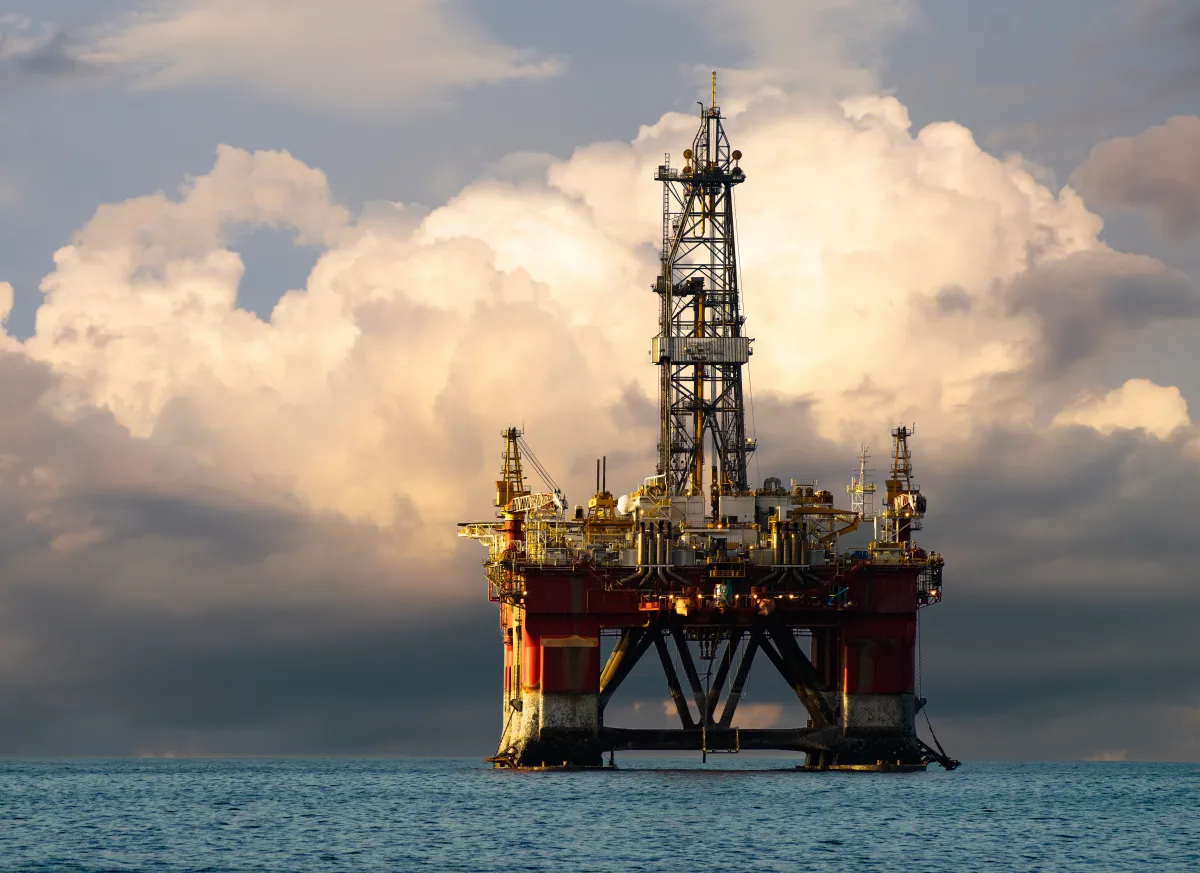
Expert Comment: Today’s Jackdaw decision is a strategic blunder that could cost future generations
Cassandra Etter-Wenzel, DPhil candidate at the Smith School of Enterprise and the Environment, and Dr Anupama Sen, Head of Policy Engagement at the Smith School, argue that the debate over the Jackdaw gas field focused on the wrong questions, and that its gas would have been worth more to the UK held in reserve for future generations.

The 2050 trap: why distant climate laws fail to move markets and what actually unlocks clean investment
Setting a distant 2050 target allows leaders to claim climate action today while deferring the capital allocation decisions to tomorrow. In this insight piece, Dr Gireesh Shrimali sets out the steps ministers and regulators must take to turn national targets into megawatts

Corporate climate risk picture is still murky
Disclosure regulation can play an important role in pushing corporate leaders “to think about important issues systematically”, says Dr Ben Caldecott, Director of the Oxford Sustainable Finance Programme. “But let’s put it in perspective . . . it won’t produce the big, major changes required.”

Mega dump owner lives in idyllic village 5 miles from 20ft eyesore teeming with rats & putting locals at risk
The Sun investigated the UK's burgeoning illegal waste site problem. Dr Amani Maalouf stated that the waste sector is considered the third largest source of methane emissions, highlighting that the resulting methane is more potent than CO2.

Paris 2.0: Climate Leadership Faces Its Oxford Exam
Ad Astra Journal attended the Oxford Smith School World Forum this week and wrote a series of articles on the panels, as well as an interview with attendee Bill Hilf, Board Chair of the Allen Institute for AI.
How wars in Iran, Yemen and Ukraine are hitting UK bank accounts
On Channel 4's "The Breakdown," Dr Sugandha Srivastav discussed the global oil price shock, the reasons UK consumers have been badly affected, and what the government can do mitigate this situation in the future.
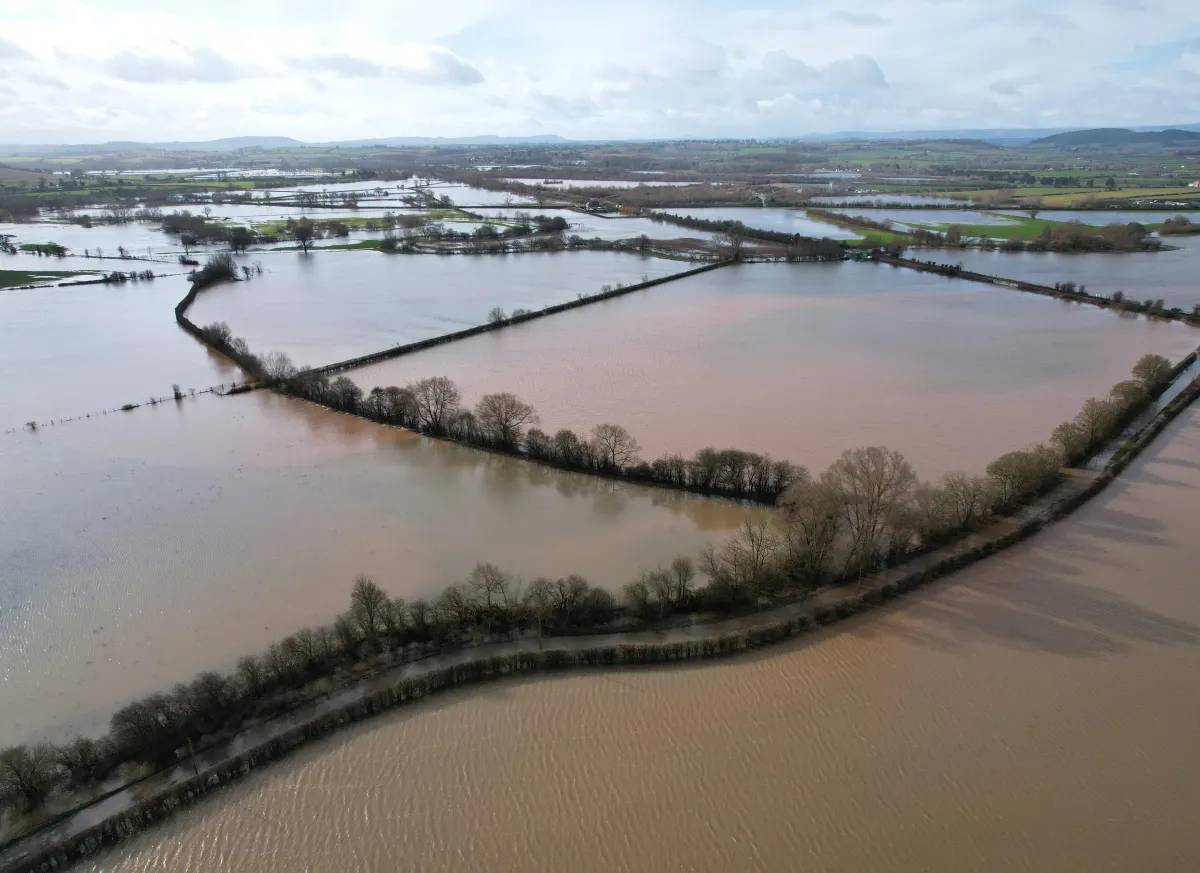
UK risks under-preparing for severe climate and nature threats, experts warn
A new Comment led by Professor Paul Behrens and co-authored by Professor Nathalie Seddon brings together experts in climate, nature, health, national security and financial risk to call for a more integrated approach to how governments assess and prepare for climate and nature threats.

Why time matters in carbon accounting
Writing in Financial Management, Jimmy Jia argues that current carbon accounting methods fail to account properly for the timing of emissions and removals, making it harder to assess long-term climate impacts and investment decisions. Alongside co-author Jeremy Osborn, Jia proposes a new method, called the "General-Purpose Life Cycle Assessment (GP-LCA)," incorporating concepts of double-entry bookkeeping as a means to track the passage of time for carbon emissions accounting.

Crown Estate seabed auctions could add £38 a year to energy bills
A new policy brief led by Nadia Schroeder has been covered in The Times. The brief examines how changes to seabed leasing by The Crown Estate (TCE) affect offshore wind financing costs, and may impact project delivery, bills and the UK energy transition.
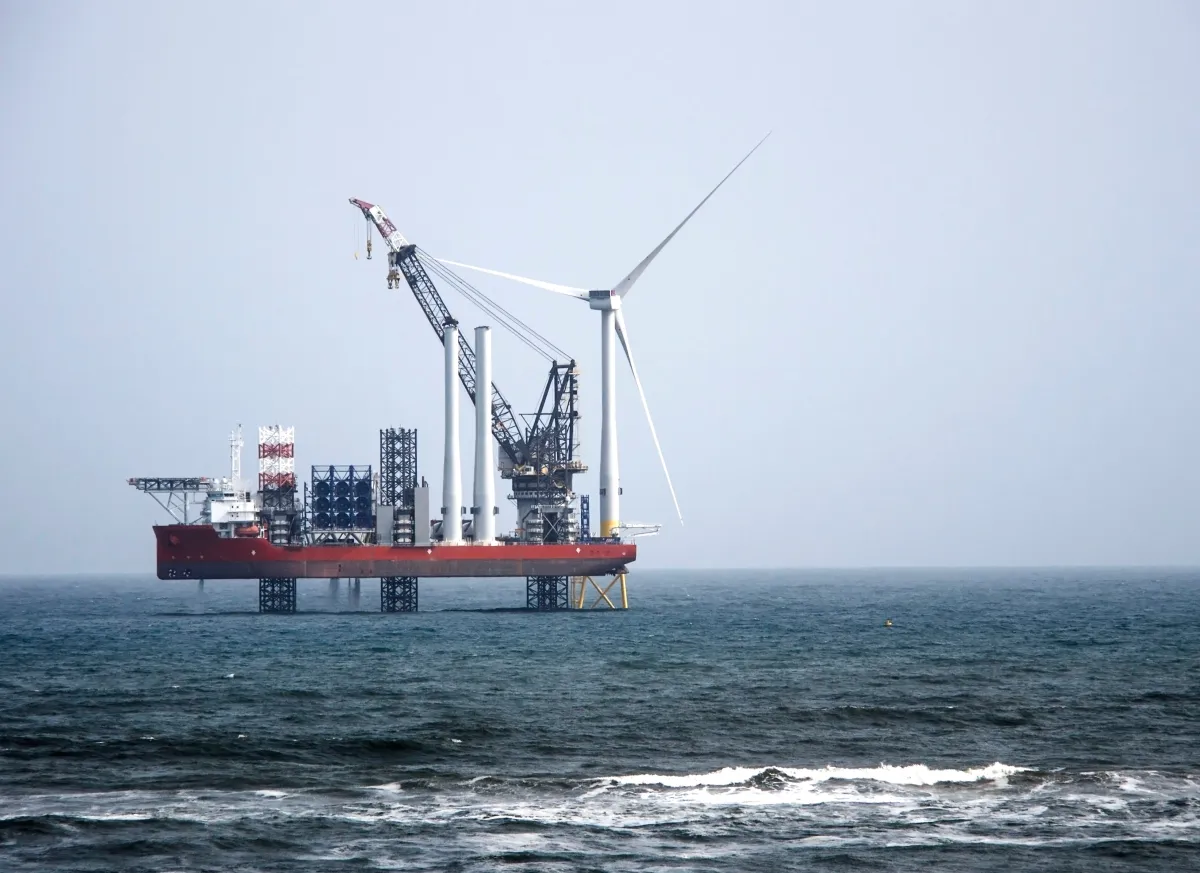
Seabed leasing fees threaten UK energy security and bills – Oxford report
New Oxford Smith School analysis finds changes to seabed leasing by The Crown Estate (TCE) have severely affected offshore wind financing costs and risk delaying the clean energy transition.

The bill has come due. But no one wants to pay for climate mitigation
Writing in Fortune, Stephanie Walton calls for the costs of transitioning to a more sustainable and resilient world to be reckoned with.