
IN THE NEWS
Mark Carney’s fossil fuel pivot bewilders climate experts and business leaders
Ben Caldecott comments on the Canadian Prime Minister's approach to climate risk at the Bank of England and recent policies in Canada.

Ben Caldecott comments on the Canadian Prime Minister's approach to climate risk at the Bank of England and recent policies in Canada.
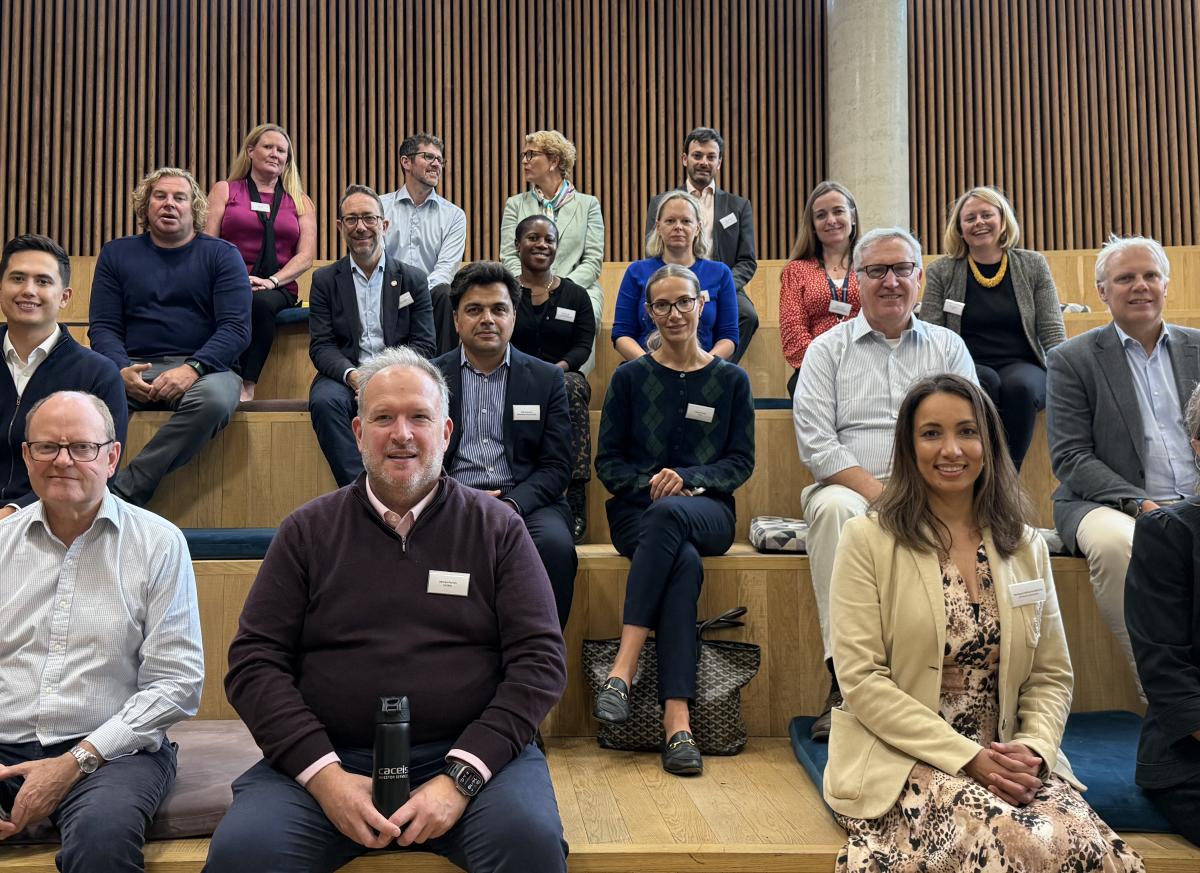
We design our bespoke executive education programmes to equip leaders from business, NGOs, the public sector and government with the skills to transform their organisation’s approach to sustainability.

Dr Hassan Aftab Sheikh explains the potential impact of his new research, which mapped farms across England. "We see this foundational work as a first step in providing open-source information for financial institutions and corporates who are engaged with the agricultural sector."
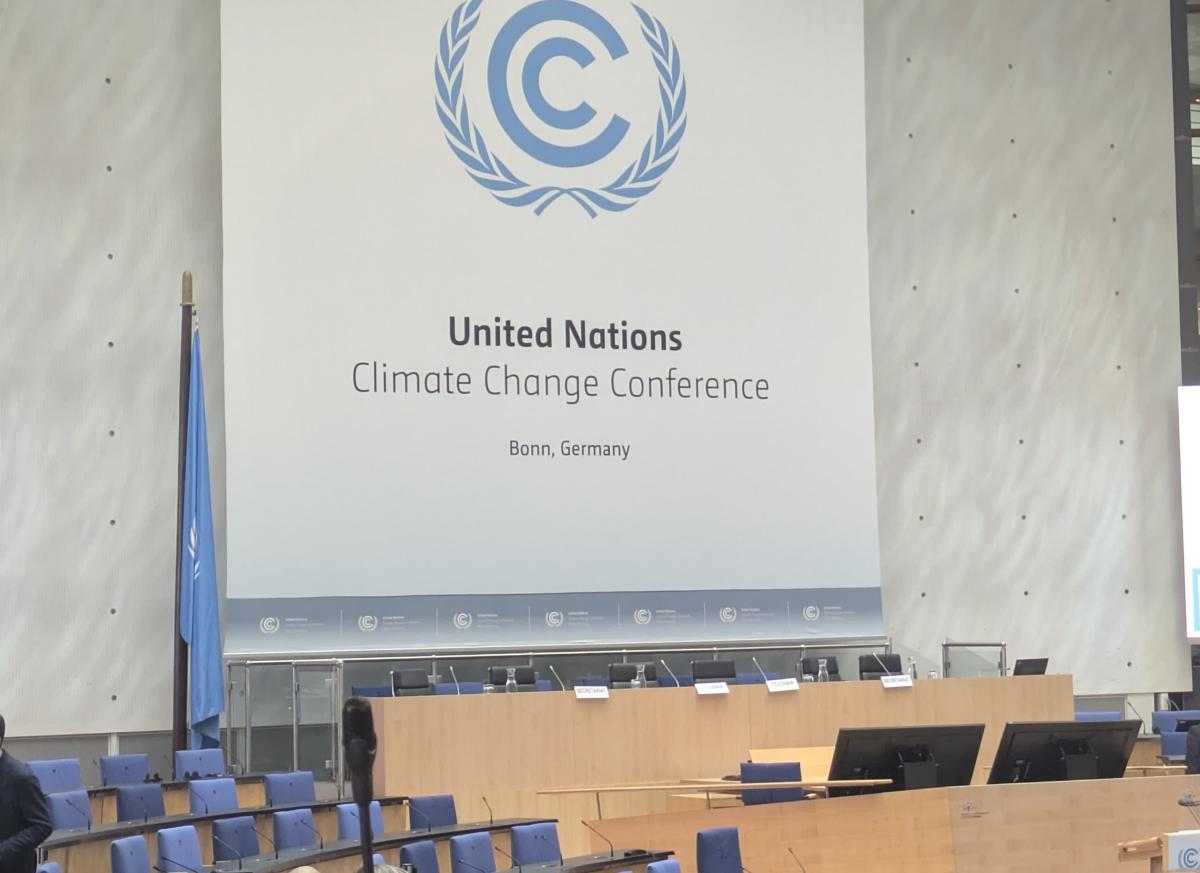
Insight piece from Injy Johnstone and Sindi Kuci, covering updates on the progress made in operationalising international market and non-market based cooperation under Article 6 during the 2025 Bonn Climate Conference.

At this year’s Oxford Sustainable Finance Summit, a panel investigating the risks of climate litigation found these are increasingly factoring into assessing financial outlook for firms. 'Net Zero Investor' also reports on the role of insurance as corporates begin to battle over who should be liable for costs caused by physical damages.

A new report shows that banks poured nearly $900 billion into financing coal, oil and gas projects in 2024. Dr Ben Caldecott commented: "Currently, far too much financing is provided to companies with no intention of ever decarbonizing, and with plans for new capex unmoored from the reality of the energy transition,”

New research highlights scale of potential stranded assets in the food sector. Investments in the food sector face substantial economic and financial risks due to potential asset stranding, according to a Perspective published in Nature Food.
Dr Ben Caldecott, Director of the Oxford Sustainable Finance Group, called for a global effort to establish a dedicated carbon removal budget to determine which CDR methods are feasible and how much emissions could be removed on a global scale to ensure that carbon removal supply is allocated fairly among countries, companies and financial institutions.
Professor Andreas Klasen and Noah Mihan write on how Export Credit Agencies can unleash huge sums of climate finance to developing countries - if they work together.