
News
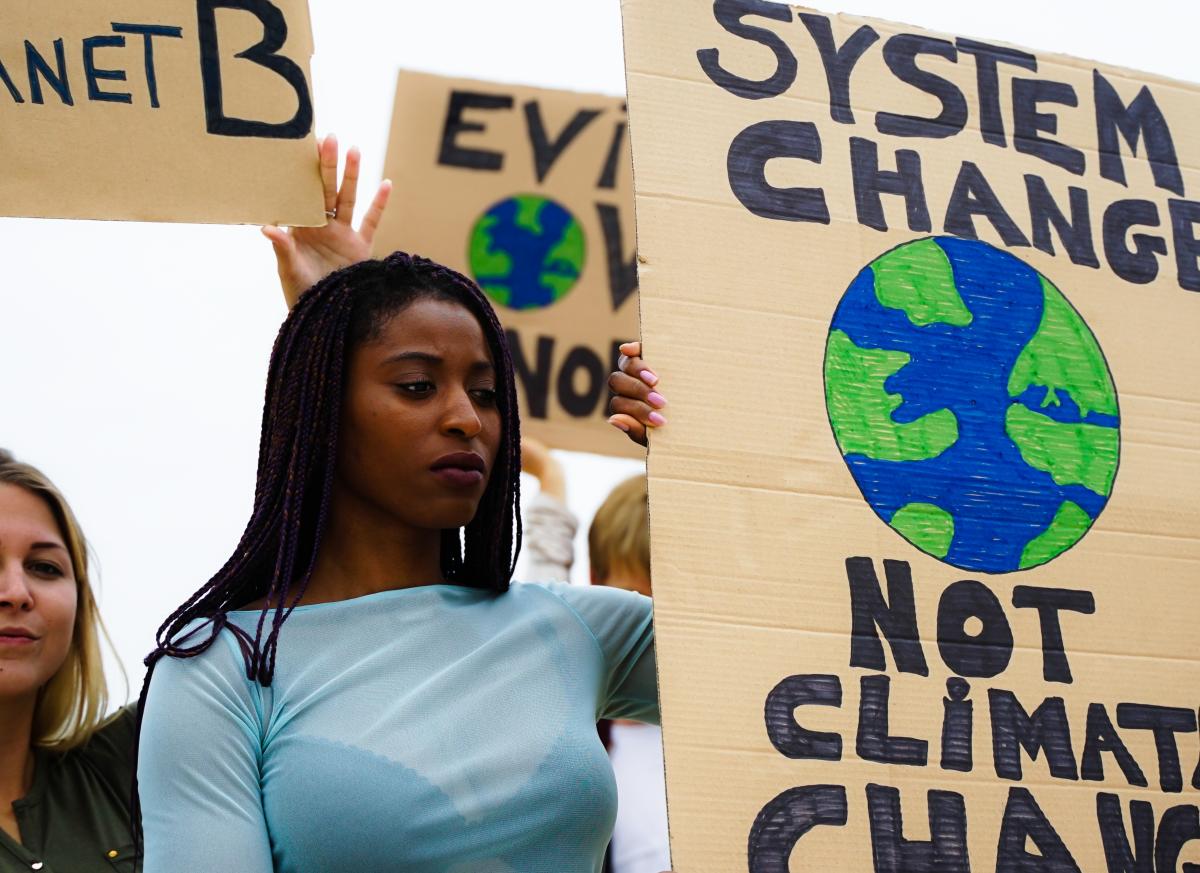
What can corporate climate action learn from feminism?
Dr Matilda Becker and her co-authors explain the findings of their latest research, which shows how feminist theory can improve sustainability practices at corporate companies.
Five Reflections on Systems-Level Investing
Researcher Stephanie Walton and Dr Stephen Barrie, Deputy Chief Responsible Investment Officer at the Church of England, discuss the book "The Handbook of System Level Investing" by William Burckart and Jon Lukomnik, and draw out five lessons fo

Heatwave leaves the UK in grip of a 'mass sleep deprivation event'
Dr Laurence Wainwright told the Mail that heatwaves are ‘now a creeping health, housing, and economic emergency that is costing families money they don't have.’

Courts are doing their part on climate, but is anyone else?
Maud Sarliève examines a recent landmark ruling by the Tribunal judiciaire de Paris against Total Energies, where the court ruled that Total Energies surveillance plan was legally deficient for excluding 'downstream' emissions. However, she cautions it remains to be seen whether the necessary regulatory, political and corporate action follows. Maud leads the Climate Research Forum at the Oxford Sustainable Law Program.

The next frontier for ESG: proof, performance and people
Alex Money and Amani Maalouf are interviewed on NextFrontier, the ESG podcast series from Inspired. The series argues that the case for ESG is getting stronger, not weaker, provided it is treated as a discipline rather than a slogan.

How could Andy Burnham look to cut Britain’s soaring energy bills?
The Independent examines different options to reduce energy bills, referencing Oxford Smith School rapid analysis that found the expansion of oil and gas drilling in the North Sea would result in lower savings on household bills than a fully renewable UK.

How 2026’s Record Summer Is Repricing The Global Economy
"In emerging markets, the problem is structural. Oxford’s Smith School and Green Central Banking warn that cooling demand is now outrunning grid capacity at an exponential clip. South Asia gets some relief from daytime solar, which takes the edge off the afternoon peaks."
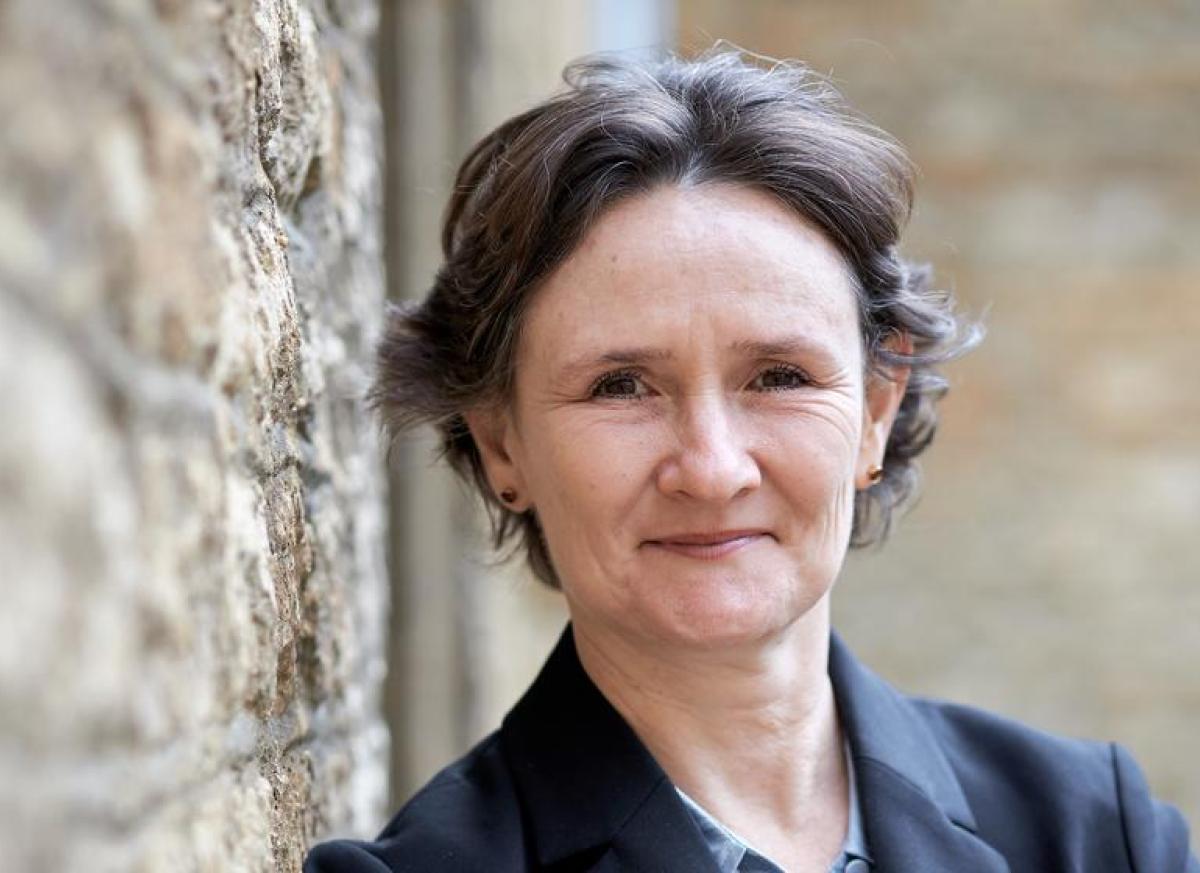
London Climate Action Week: a message from the Vice-Chancellor
University of Oxford VC Professor Irene Tracey introduces Oxford's first ever pan-University presence at #LCAW2026. With 1300+ events and nearly 100K attendees, LCAW is the world's biggest climate action event.

3 reasons why Europe can’t stop sweating this week
Dr Mireia Ginesta told Politico that climate change may not have directly caused the "heat dome" over Western Europe this week, but it raises the background temperature on which weather systems operate. "In a cooler climate, this heatwave would have been less intense," she said.

UK business rejects call to set maximum workplace temperature as heatwave deepens
As temperatures in the UK reach dangerous levels, the government and businesses are pushing back at union proposals to set a maximum working temperature. "Because UK heatwaves are usually brief and intermittent, the population rarely has time to acclimatise to it physically," commented Dr Laurence Wainwright.

New Oxford Martin Principles for Responsible Investment
The second edition of the Oxford Martin Principles for Climate-Conscious Investment offers guidance for responsible investment and a framework for evaluating whether corporate transition plans are credible and likely to be delivered.

How hot is too hot to learn?
Heatwaves in the UK are becoming increasingly common. Dr Laurence Wainwright spoke to teaching magazine TES about what that means for learning.