
News

Oxford Smith School co-lead open letter to DESNZ Secretary of State on carbon storage
Dozens of academics, environmental professionals and members of civil society have this week published an open letter to the Secretary of State at the Department of Energy Security and Net Zero, Miatta Fahnbulleh,

Is air conditioning the answer to extreme heat?
Dr Radhika Khosla joined the BBC's Climate Question show to discuss the world's growing dependence on air conditioning. "We are going to need more and more air conditioning around the world. But let's do things in the right order. One of the most important things is to implement passive cooling first," she said.

Oxford Smith School launches new clean tech modelling project
Business Green reported on the renewal of Bank of America's research partnership with the Oxford Smith School. "Our earlier work showed how misleading conventional assumptions can be. This partnership gives us the opportunity to bring the same empirical rigour to the next generation of energy challenges," said Professor Doyne Farmer, who will lead the forthcoming research.
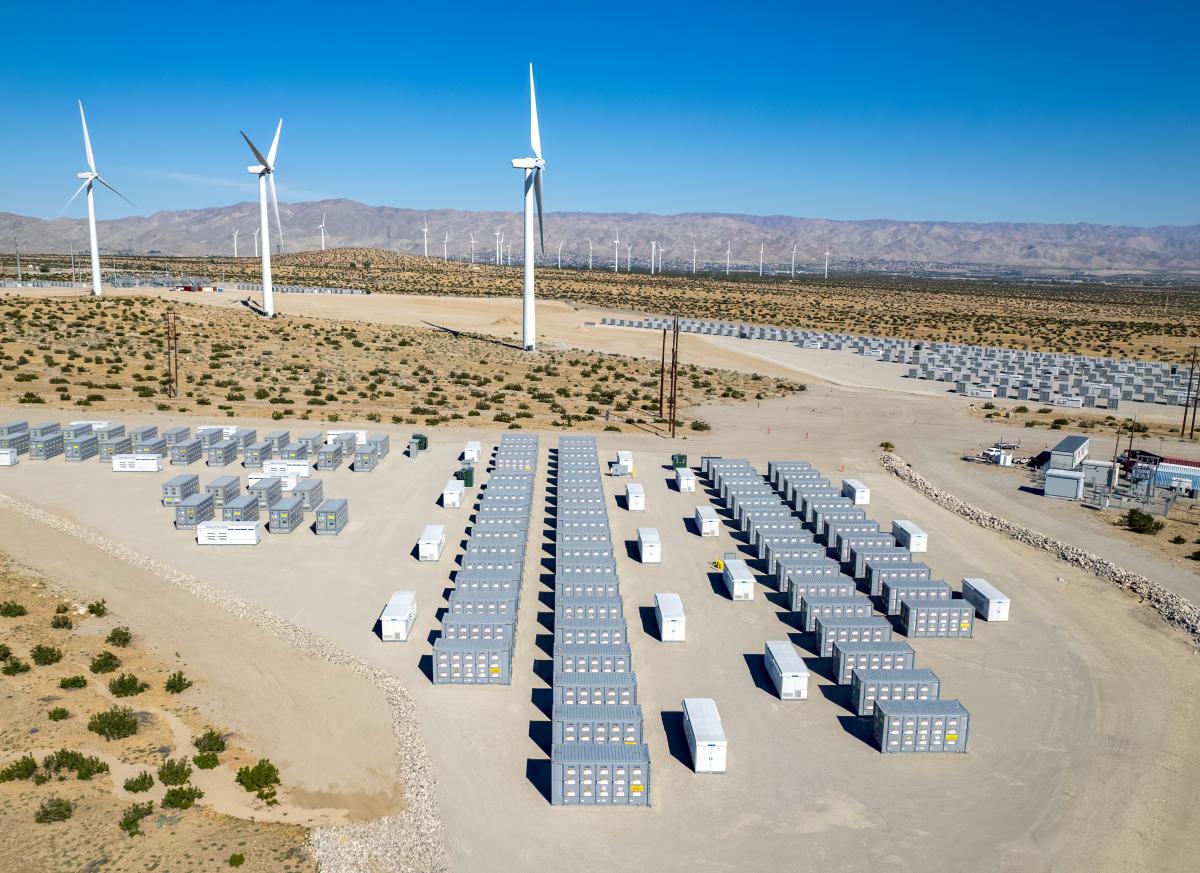
Oxford Smith School and Bank of America renew partnership to advance research on energy storage and future fuels
The University of Oxford’s Smith School of Enterprise and the Environment and Bank of America today announced the renewal of their partnership. Now in its fourth year, the partnership supports new research into the technologies and market forces set to shape the future of energy.
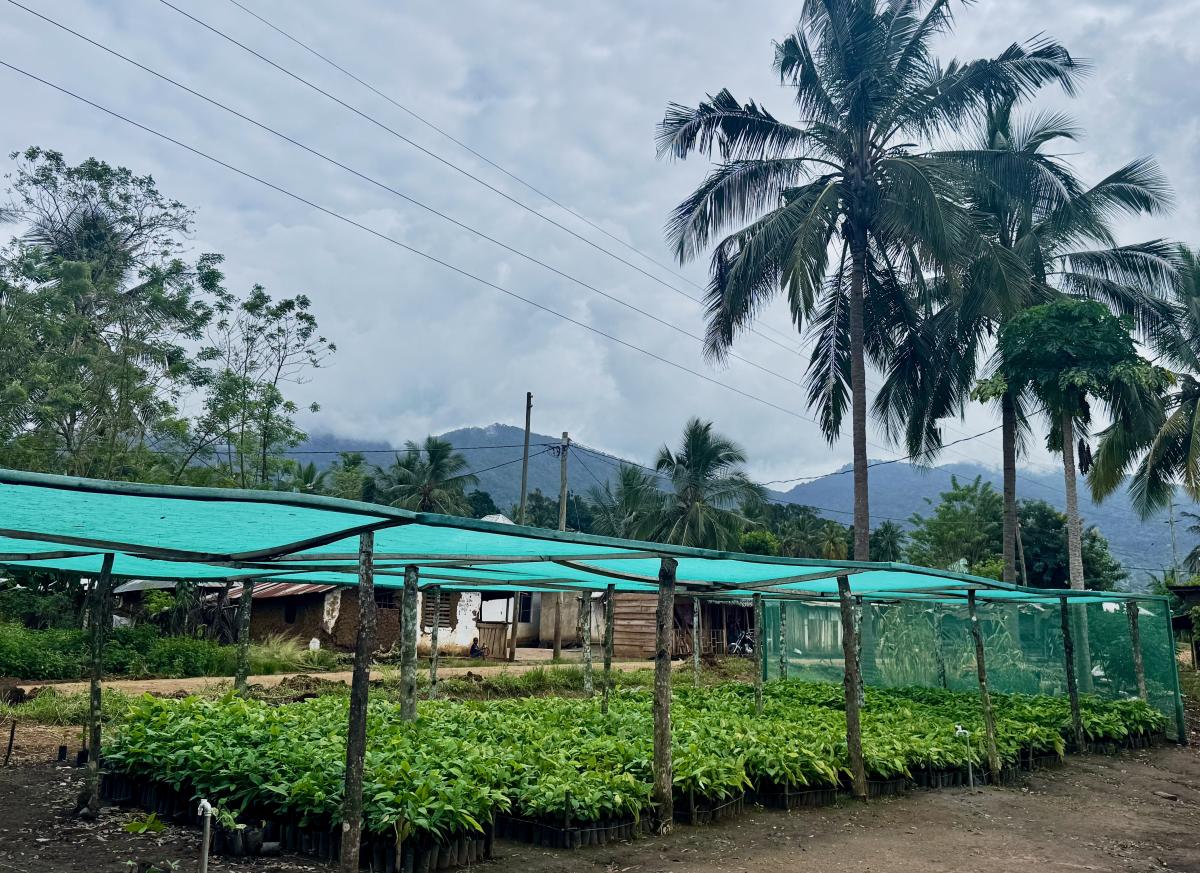
Looking backwards from a green bond: lessons from Tanzania's Zigi River Catchment
Looking backwards from East Africa’s first subnational green bond reveals how more than a decade of community partnerships and local institutions laid the foundations for financing conservation in Tanzania’s Zigi River catchment.
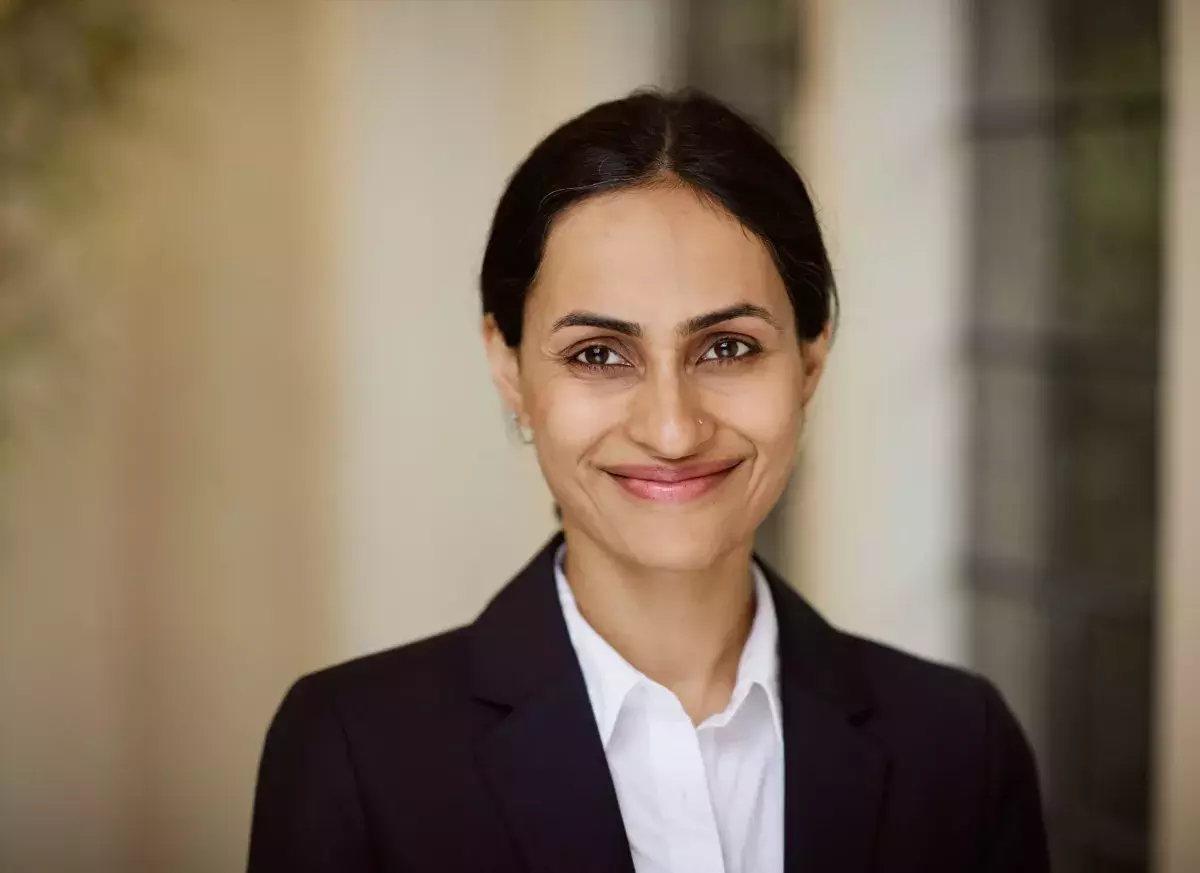
Dr Radhika Khosla awarded the title of Professor of Environmental Science and Policy
Dr Radhika Khosla, formerly Associate Professor and researcher at the Smith School of Enterprise and the Environment, University of Oxford, has been awarded the title of Professor of Environmental Science and Policy. The title was awarded through the University’s annual Recognition of Distinction exercise.

Majority of Britons prefer cold weather over warm. Here’s why
A poll of 2000 British adults revealed that 52% prefer cold weather. Dr Laurence Wainwright discussed the probable reasons for these results in The Independent: “The body has limited resources to do almost unlimited things, so it has to make trade-offs... As a result, some of those higher-order cognitive functions, like the ability to have an empathetic, thoughtful conversation with a partner, go out the window.”

Organic eggs have worse impact on climate than eggs from caged chickens
The Guardian explores the implications of new research co-authored by Dr Harriet Bartlett, which found that organic free-range eggs have the greatest impact on the environment and climate. “I’d say perhaps it’s also a little bit of a blind spot when we talk about sustainability. Meat and dairy get a bit more attention, talking about environmental sustainability, whereas [egg production] hasn’t been as researched,” said Dr Bartlett.
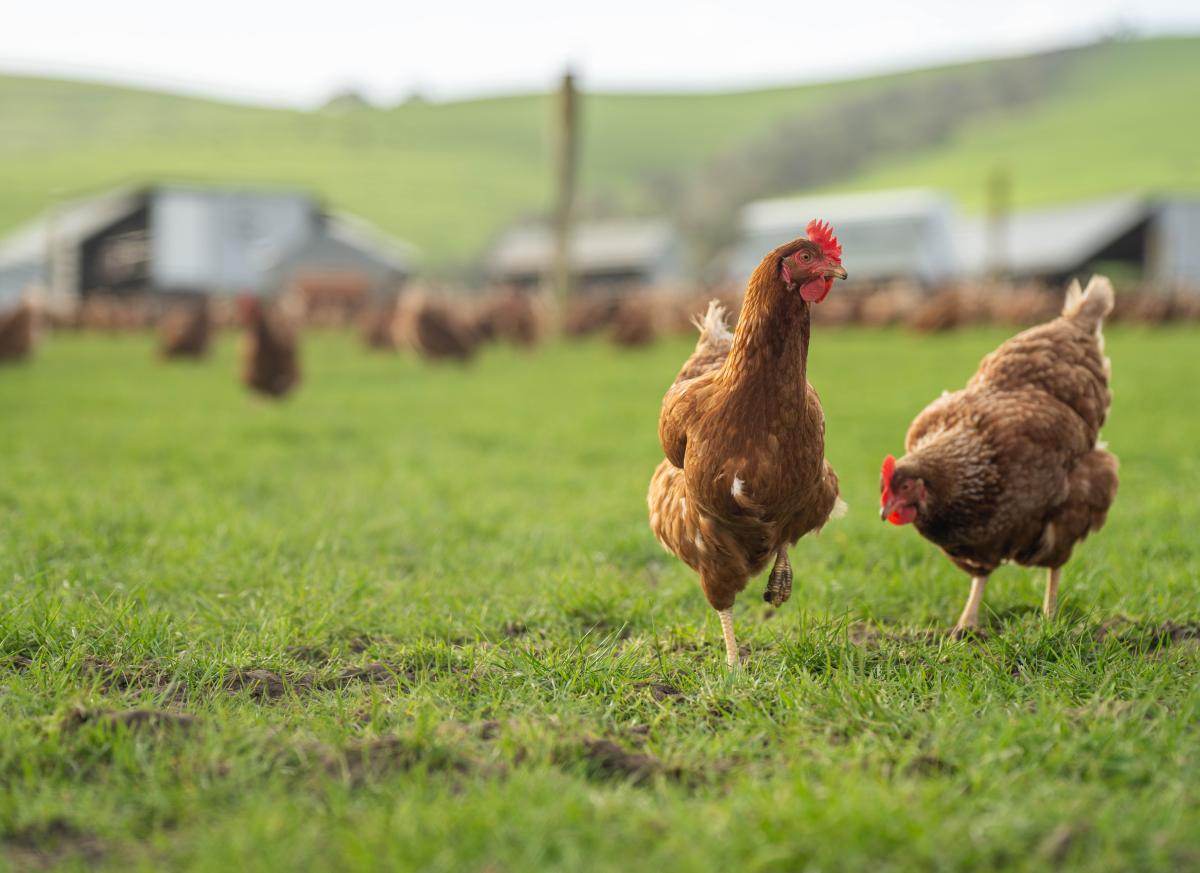
100% organic free-range egg production could have negative consequences for climate and nature - research
A new study published in Royal Society Open Science today reveals striking trade-offs when it comes to different methods of egg production.

Don’t just take their word for it: a transparent way to assess corporate climate plans
An open-source method estimates a company’s future emissions from its actual production plants, even when the company won’t tell you.

Organic free-range eggs ‘are worst for the environment’
Allowing hens to roam outside is good for their welfare but produces more carbon emissions and polluting waste, according to a new Smith School study co-authored by Dr Harriet Bartlett.