
News

Fossil fuel companies knew products would harm coral reefs since “at least” 1980s
Major fossil fuel companies have been aware since at least the 1980s that their products would destroy coral reefs around the world through ocean acidification, marine heatwaves, and intensified storms, according to new research from the Oxford Sustainable Law Programme.

Criminal fly‑tipping gangs are costing governments millions – AI and drones can help track waste dumpers
Waste crime costs the UK economy an estimated £1 billion a year. Dr Amani Maalouf explores the reasons behind the surge in illegal waste sites, and the technologies that could help tackle them in The Conversation. “Better monitoring must be combined with stronger enforcement, improved coordination between agencies, clearer accountability across supply chains, and meaningful penalties that outweigh the financial incentives of illegal dumping,” she writes.

Dr Steve Smith awarded MBE in King's Birthday Honours
Dr Steve Smith, Arnell Associate Professor of Greenhouse Gas Removal at the Smith School of Enterprise and Environment, has been appointed Member of the Order of the British Empire (MBE) for services to Climate Science.

Oxford climate scientist gets MBE in King's Birthday Honours
The Oxford Mail reports on Dr Steve Smith's MBE, awarded in the King's birthday honours. "I am grateful and surprised to find myself in such distinguished company," commented Dr Smith. "While many receive an honour for extraordinary achievements, I feel I have simply been doing my job, and it is a privilege to have such an engaging and fulfilling one. Particular thanks to my brilliant colleagues past and present who have made my work possible."

Extreme Heat Is Already Stifling Economic Growth in India
Dr Radhika Khosla told Bloomberg that India will have the largest population affected by extreme heat. “We know the impacts will be severe, and they are here already,” Khosla says, adding that India needs long-term urban planning focused on cooling and shade.

Revealed: The cities where people are most at risk from extreme heat as El Nino arrives – including several major tourist destinations
The Daily Mail takes an in-depth look at new Oxford Smith School research revealing the cities most impacted by extreme heat. "It isn't just exposure to hot temperatures that matters for risk," explains lead author Nethmi Jayaratne Kariyawasam. "Our study highlights the importance of multi–faceted global heat risk assessments, which reveal the diverse pathways through which urban heat risk emerges."

One Year After Texas’ Deadliest Flood, Scientists Have Life-Saving Suggestions
Dr Mireia Ginesta told the Austin Chronicle that flood-risk planning should consider not just historical records, but climate projections about possible futures.

India's extreme heat takes a toll on workers as experts urge long-term solutions
CNA cites research co-authored by Dr Radhika Khosla in this feature on India's blistering heat waves. The study found that India is likely to be among the countries with the largest populations exposed to extreme heat if climate change continues to worsen in the coming decades.

Oxford study finds world’s highest heat-risk cities concentrated in Asia and Africa
New research from the University of Oxford has analysed 205 global cities to determine where people are most at risk from rising global temperatures. The paper, published today in Sustainable Cities and Societies, looked at key indicators of risk across hazard exposure, vulnerability, and coping capacity. “Our study highlights the importance of multifaceted global heat risk assessments, which reveal the diverse pathways through which urban heat risk emerges,” said lead author Nethmi Jayaratne Kariyawasam.
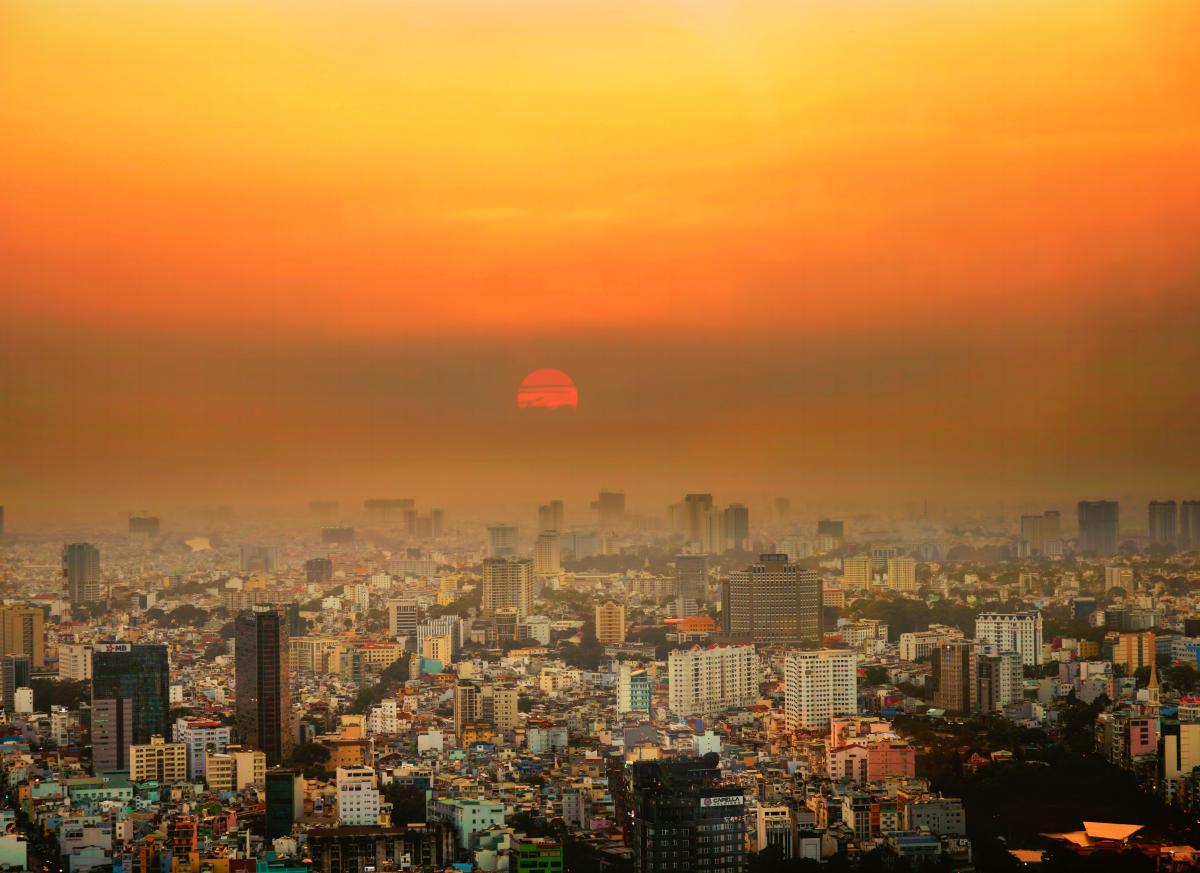
Ranking the world’s most vulnerable cities for heat risk – Oxford research
New research from the University of Oxford has analysed 205 global cities to determine where people are most at risk from rising global temperatures.

Reimagining the Ocean: The Living System at the Centre of Enterprise
MSc student Camila Llinás Restrepo writes about the ocean’s role in society and business, portraying the ocean as a living system that supports global ecological, economic, and social stability.

India has more cities in the world’s 50 most heat-vulnerable list than any other country
The Indian Express cites new research from Nethmi Jayaratne Kariyawasam which finds that India has more cities among the world’s 50 most heat-vulnerable than any other country.