
News

Hurricane Melissa: Why the 'supercharged' Category 5 storm approaching Jamaica is so powerful - and dangerous
Climate damage analysis expert Dr Mireia Ginesta told The Scotsman that a warmer climate can make storms both wetter and stronger. “When the atmosphere heats up, it can hold about 7 % more moisture for every degree of warming. This means that tropical cyclones now tend to produce heavier rainfall."
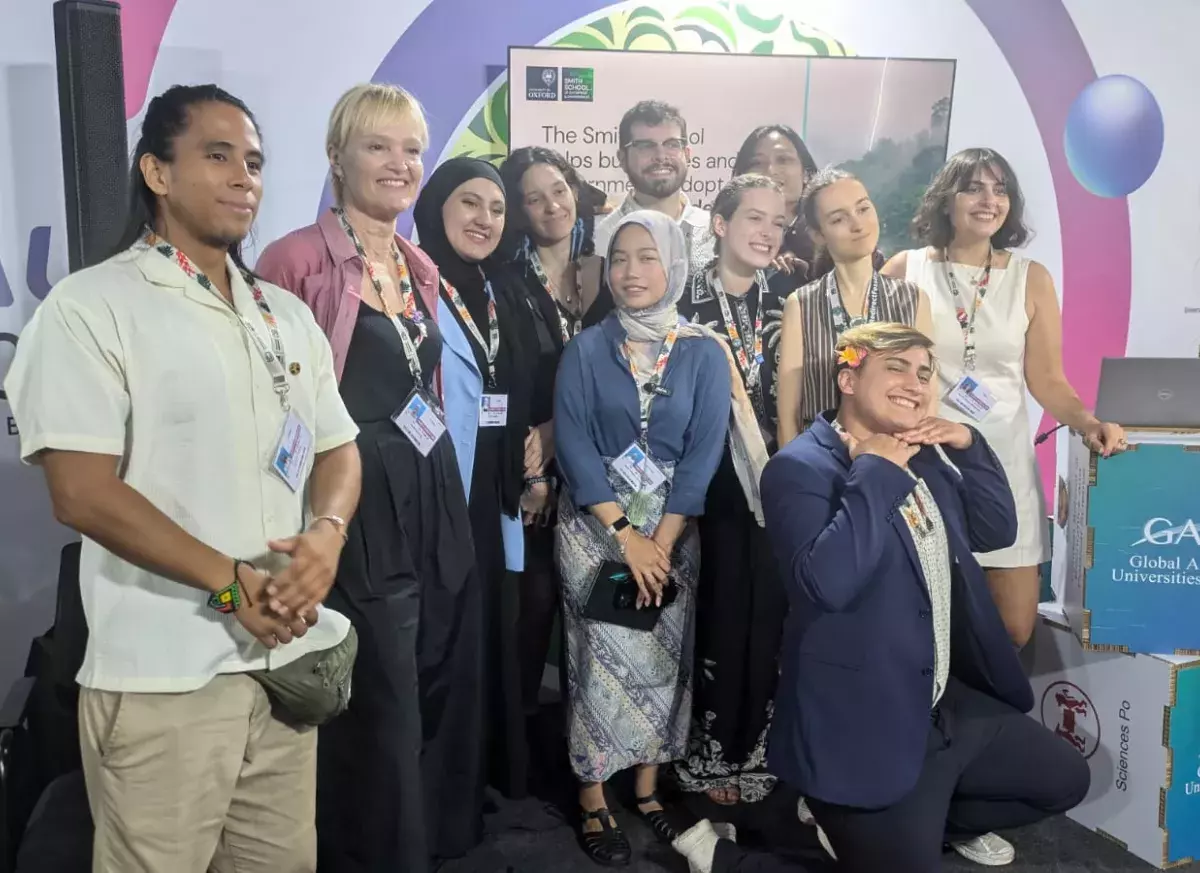
Youth Voices at the Heart of Climate Action
Inside the Global Youth Climate Training impact report and five young leaders funded to attend COP30 in Belém, Brazil.

How to unlock private finance for nature: reframing risk-return dynamics
Nature-related projects to protect, manage, or restore the Earth’s ecosystems are vital if we are to maintain a liveable planet, yet these projects cannot be funded at the required scale by public finance alone.
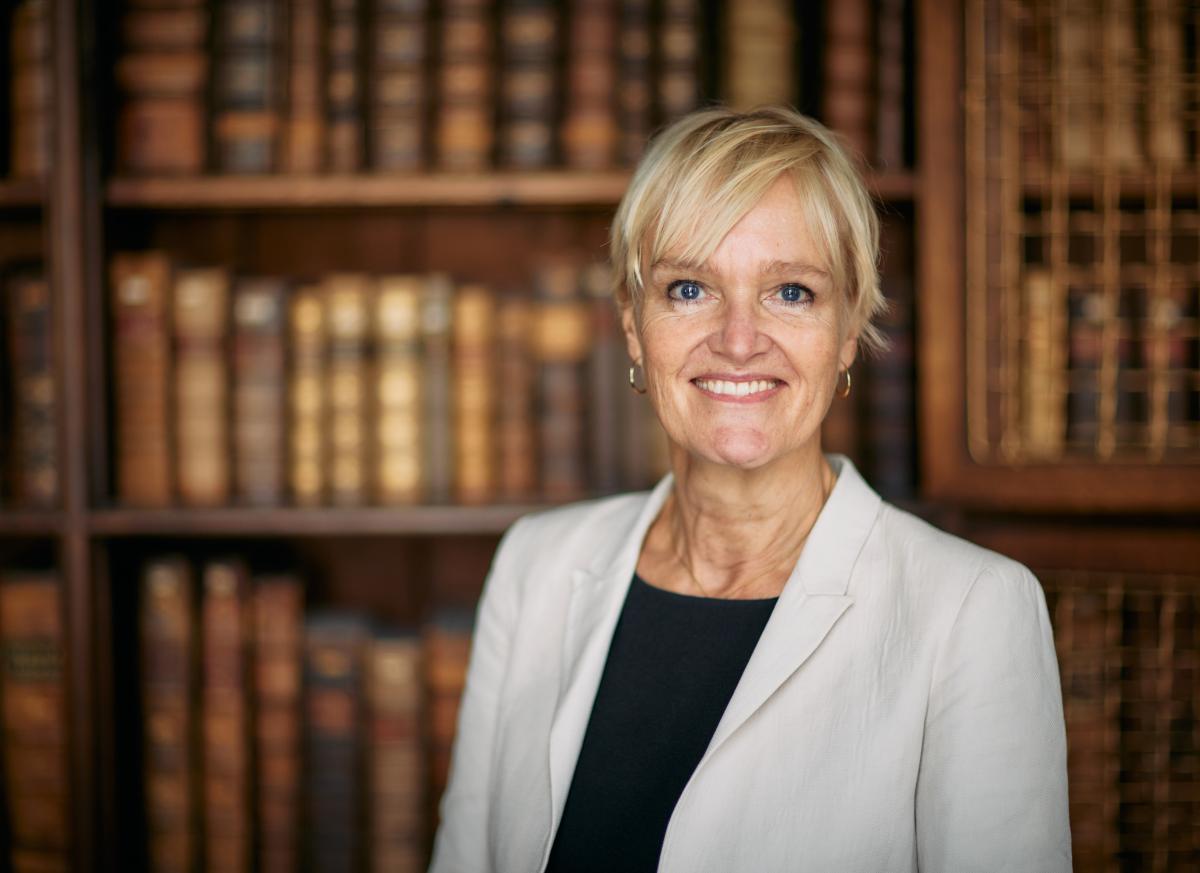
Smith School Director appointed as Interim Dean of Saïd Business School
Congratulations to Professor Mette Morsing, who has been appointed Interim Dean of Oxford’s Saïd Business School, and to Professor Sam Fankhauser, who has accepted the role of Interim Director of the Smith School.

Risk needs reframing for nature-based projects to boost private finance commitments
Unlocking private finance for nature projects will require systemic interventions by policymakers and financial institutions, according to forthcoming research by Dr Hassan Aftab Sheikh. Carbon Pulse explored his findings in an exclusive interview.
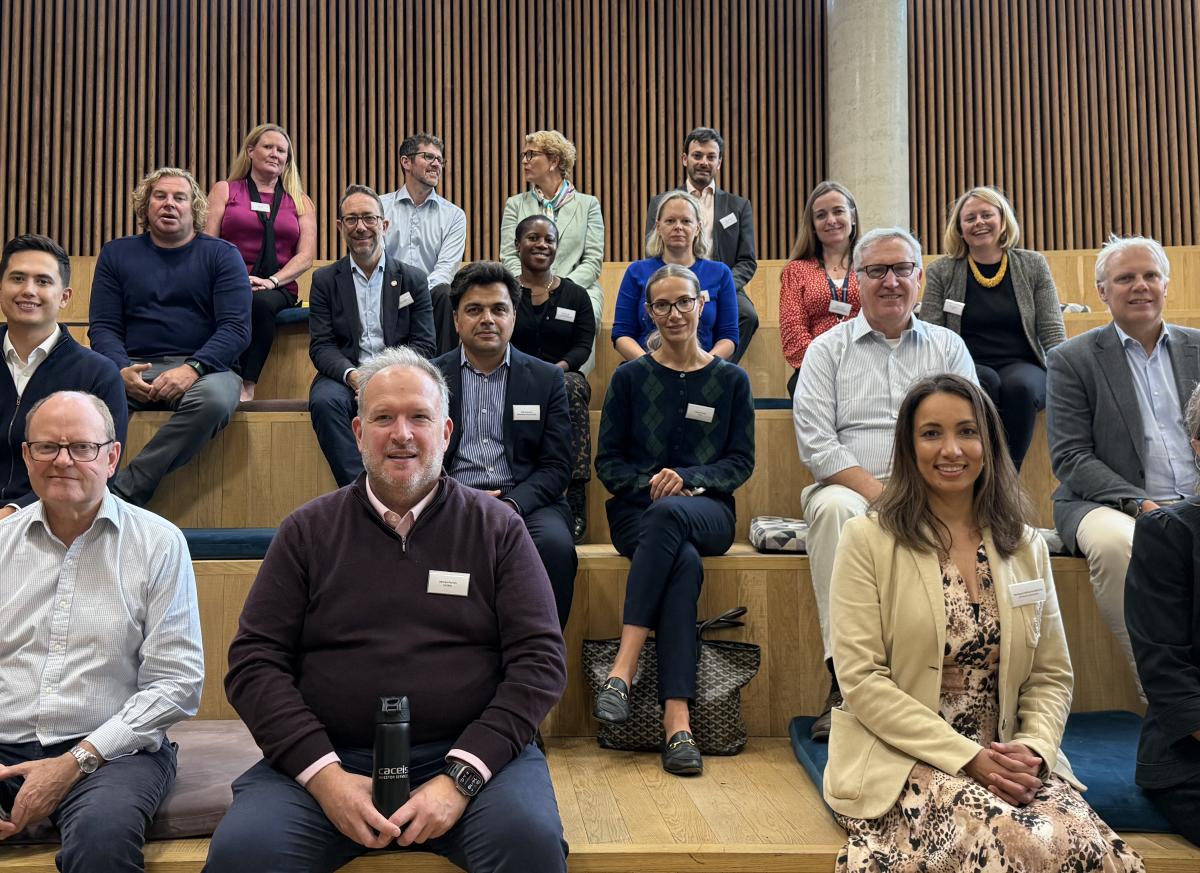
CACEIS partners with Oxford Smith School for programme on Climate & Nature Risks
We design our bespoke executive education programmes to equip leaders from business, NGOs, the public sector and government with the skills to transform their organisation’s approach to sustainability.

Conservative's plan to scrap net zero target puts UK climate leadership at risk
In the mid-2000s, soon after becoming Conservative leader, David Cameron hugged a husky on a trip to the Arctic, in what was widely described as an attempt to “detoxify” the Tory brand. Eighteen years later, Kemi Badenoch has promised to scrap the law that once made that rebranding credible.

Smith School World Forum 2025
Leo Johnson, Dr Thom Wetzer, Michelle You, Dr Ben Franta and Professor Sam Fankhauser gave their opinions on top sustainability trends in 2025 from the Smith School's annual World Forum.

Carbon offsets fail to cut global heating due to ‘intractable’ systemic problems, study says
The most comprehensive review of evidence on the effectiveness of carbon offsetting to date has concluded the practice is riddled by 'intractable' problems. Co-author Dr Stephen Lezak commented: "We must stop expecting carbon offsetting to work at scale... We have assessed 25 years of evidence and almost everything up until this point has failed.”
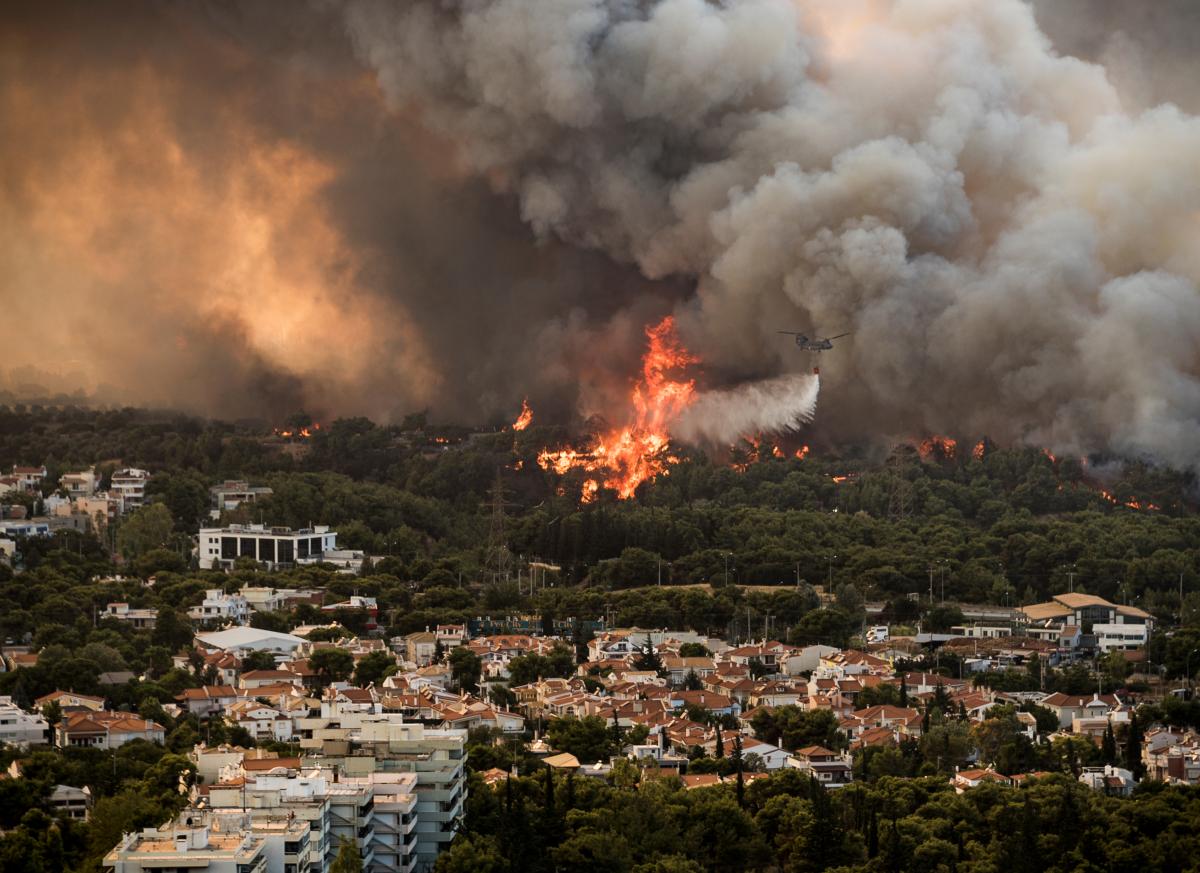
Carbon offsets have failed for 25 years, and most should be phased out - research
Academics at the University of Oxford and the University of Pennsylvania have conducted the most comprehensive review of evidence on the effectiveness on carbon offsetting to date and concluded the practice is ineffective and riddled with “intractable” problems.

Oxford Net Zero and Futerra launch new “Spheres of Influence” white paper at Climate Week NYC
At Climate Week NYC, Oxford Net Zero and the sustainability agency Futerra launched a white paper on the Spheres of Influence – a new framework for incentivising corporate climate action.
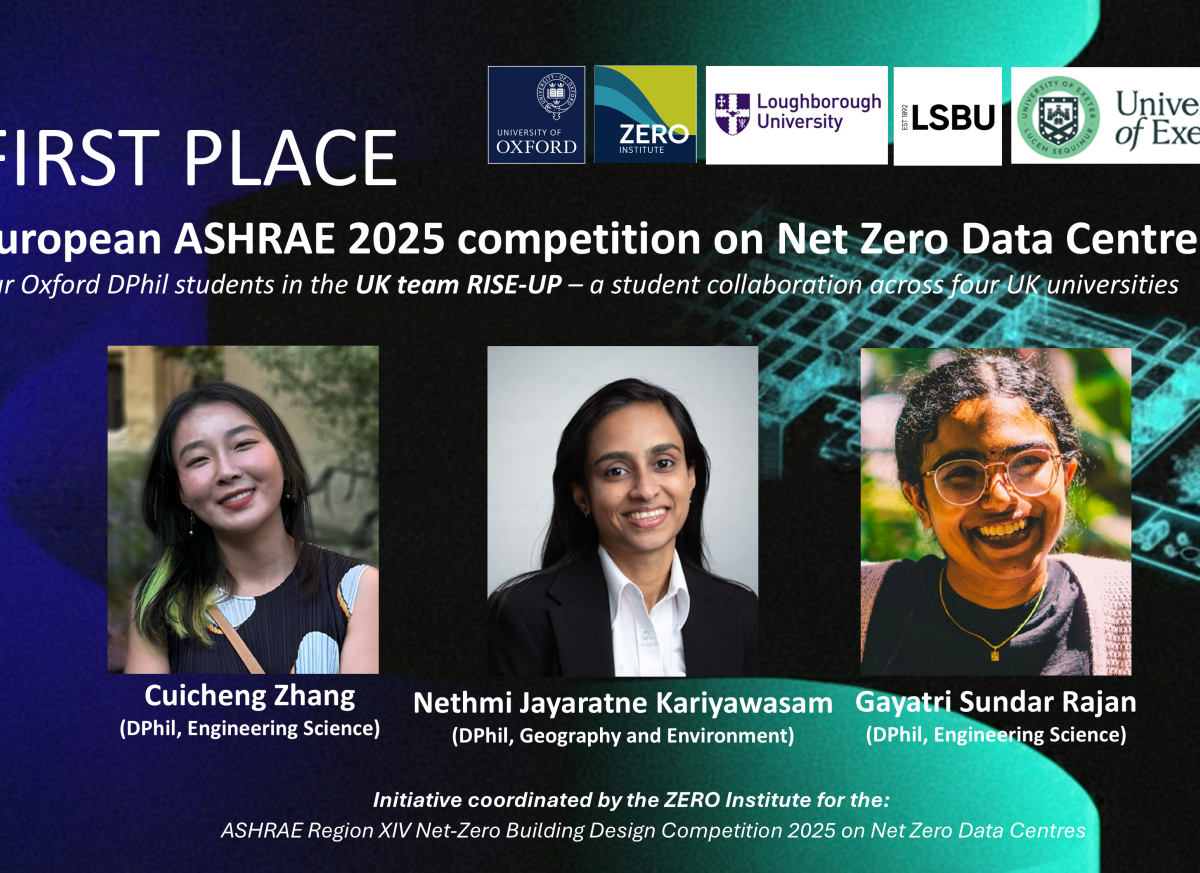
Oxford DPhil students win Net-Zero Building Design Competition
A team of Oxford DPhil students, including Nethmi Jayaratne Kariyawasam from the Oxford Smith School, jointly won First Prize in the ASHRAE Region XIV Net-Zero Building Design Competition 2025 on Net Zero Data Centres.