
News

Renewable energy is reshaping the global economy – new report
Professor Sam Fankhauser, Interim Director of the Oxford Smith School, discusses the astounding progress of renewable energy - and the productivity boon it could unlock in developing countries - in this article for The Conversation.

Renewables could increase developing countries’ GDP by 10%, report finds
Semafor reports on a new Oxford Smith School report launched at COP30, which finds that renewable energy productivity gains are profound in developing countries.
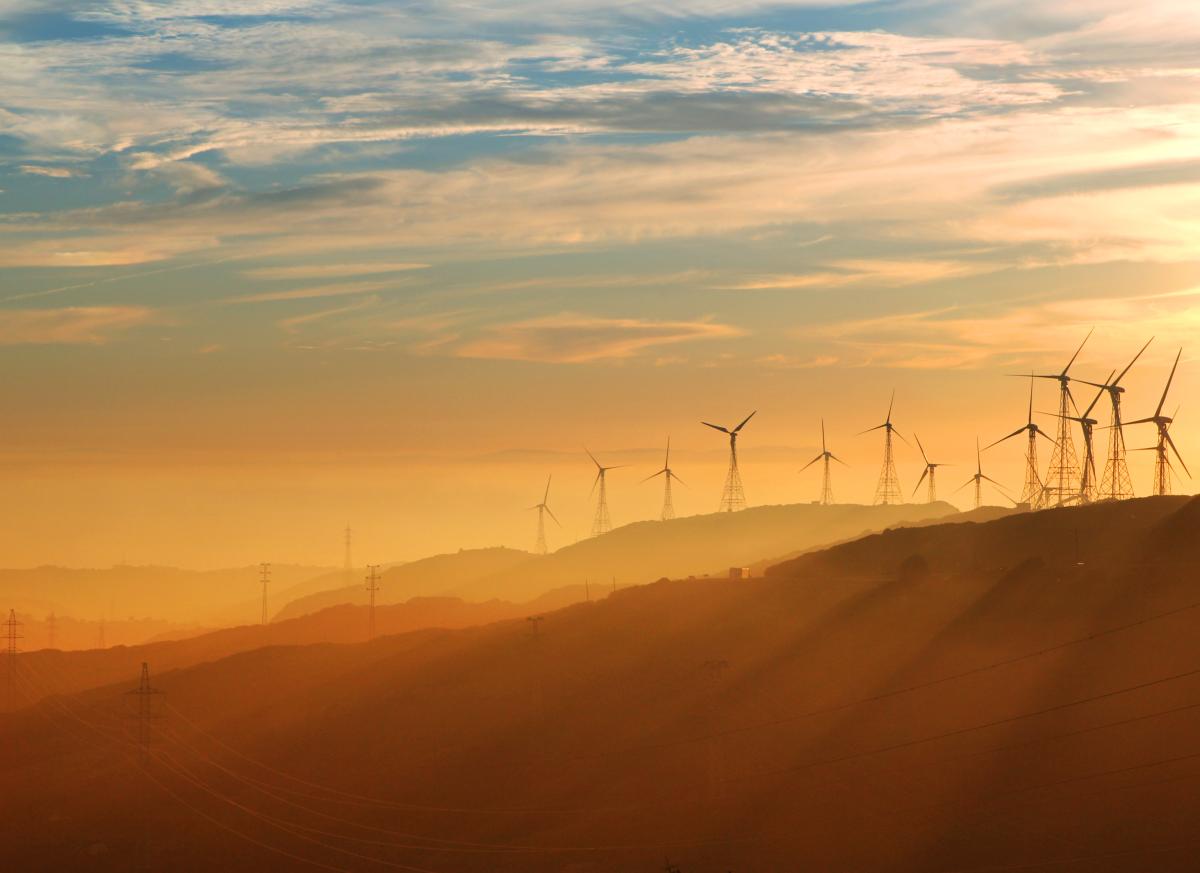
10% GDP boost to Global South from clean energy transition
A new Oxford Smith School report finds a rapid switch to renewables could double energy-sector productivity in low-to-middle income economies within 25 years. In many countries, this would result in a GDP boost by mid-century of around 10%.
COP30: New declaration aims to make public procurement a force for climate action
Yesterday at COP30 in Belém, the Government of Brazil announced an ambitious plan to drive action on climate change using the power of public procurement.

Climate policy strengthens globally, despite unprecedented contestation in the US and Europe
Granular survey of 37 major countries’ climate-related laws and regulations, compiled by Oxford University researchers and dozens of leading global law firms, gives most detailed view yet of how climate policy is developing at a time of unprecedented political contestation.

Health impacts of climate change may trigger legal accountability
In the FT's Sustainable Views section, Gaia Lisi and Rupert Stuart-Smith explore how medical evidence has proved invaluable in holding public authorities accountable for the impact of unlawful air pollution on people’s health is now exposing the health burdens of climate change.
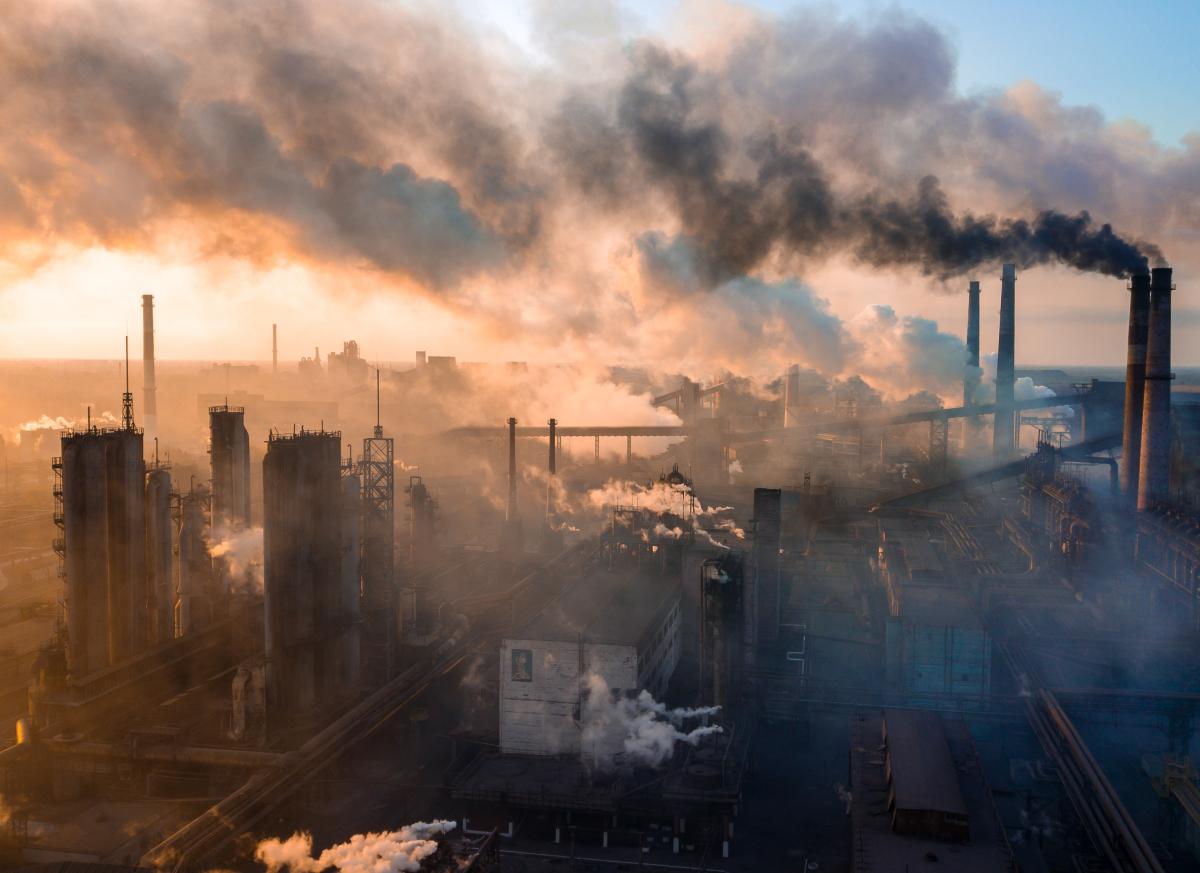
Medical evidence crucial in holding polluters accountable for harming health
Medical and scientific evidence is proving invaluable in holding public authorities accountable for the impact of unlawful air pollution on people’s health, say Dr Rupert Stuart-Smith and Gaia Lisi in The BMJ’s climate issue today.

The fight to save Britain’s wildlife after year of climate ‘chaos’
In this special feature for the Times, Nathalie Seddon explains why Britain’s ecosystems are especially vulnerable to climate impacts, and how biodiverse nature helps to protect us through clean water, carbon storage, flood defenses, and more.
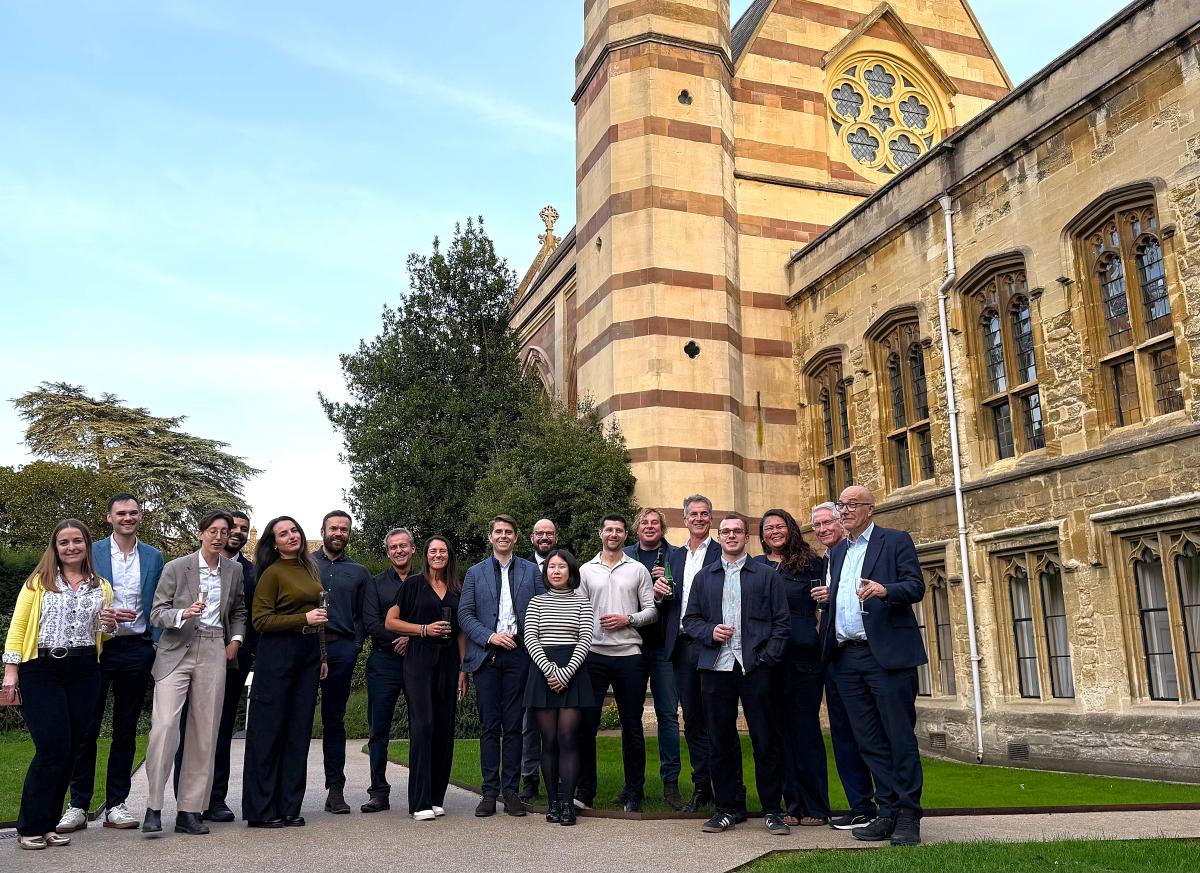
Stepping back to gain perspective on long-term sustainable trends
Peter Michaelis, Head of the Sustainable Investment Team at Liontrust PLC, reflects on a recent custom Executive Education course developed with the Oxford Smith School.

Bill Gates Has a Point
Dr Stephen Lezak tackles Bill Gate's intervention on climate discourse in the New York Times: "Realigning the climate conversation requires that scientists, journalists, activists and politicians convey the terrifying facts of this global crisis, without suggesting that the world is becoming universally inhospitable to human life. For while we all live on one planet, there are many worlds separating the victims of climate change from the bystanders.”

G20 pledges lack credible carbon removal alongside emission cuts
New report from leading climate institutes estimates that the pledges add just 214–265 MtCO₂ of removals by 2030, a minor increase on the current ~2 GtCO₂ per year, from countries representing 85% of global GDP.
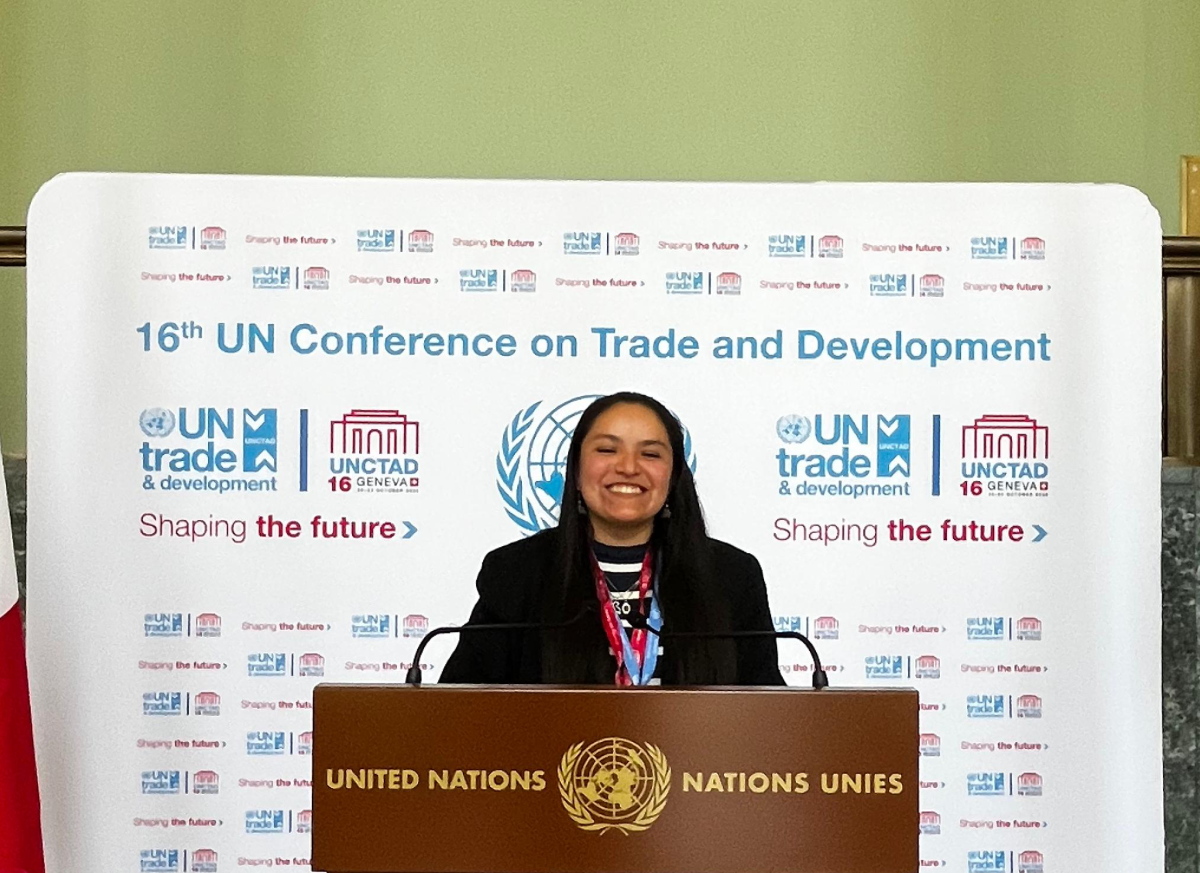
Trade and Sustainable Development: How They Intersect in a Changing World
MSc SEE alumna Valery Salas Flores reflects on the 5th UNCTAD Youth Forum in Geneva, specifically the critical intersection between global trade and the achievement of Sustainable Development Goals.