
News

Heatwaves worsen mental health conditions
Heatwaves have a huge impact on our physical and mental health, writes Dr Laurence Wainwright in The Conversation. "Doctors usually dread them, as emergency rooms quickly fill up with patients suffering from dehydration, delirium and fainting. Recent studies suggest at least a 10% rise in hospital emergency room visits on days when temperatures reach or exceed the top 5% of the normal temperature range for a given location."

Who pays for climate change? The Peruvian suing a German utility
Dr Thom Wetzer comments on a lawsuit brought by a Peruvian farmer, Saúl Luciano Lliuya, against RWE, Germany’s largest utility company. He said part of the reason for the uptick in climate litigation is the climate “governance gap The Paris Agreement lacks an enforcement mechanism to ensure that countries do what they’ve signed up for . . . As long as these governance gaps persist, we will see more and more litigation to try and plug those gaps.” There is also no net zero legislation governing what companies can or must do in most parts of the world, he adds.

Oxford delivers sustainable finance training to over 1,000 public and third sector executives
Over 1,000 influential civil servants, regulators, and representatives from civil society have undertaken a course with the Oxford Sustainable Finance Group, part of Oxford University, over the last 12 months, enabled by philanthropic funding from the IKEA Foundation and the European Climate Foundation.

Thom Wetzer appointed to ESMA’s Sustainable Finance Expert Group
Thom Wetzer has been appointed by the European Securities and Markets Authority (ESMA) to its newly-established Consultative Working Group (CWG) on Sustainable Finance

Britons Warned of ‘Serious’ Health Implications Amid Sweltering Heat
The U.K. is in the midst of a record-breaking heatwave, with temperatures expected to reach 34C. Dr Radhika Khosla warns: "The health implications of rising temperatures in the UK are serious... the risk of cardiopulmonary and cardiovascular problems increases among older adults, young children, people with chronic conditions, athletes and outdoor workers."
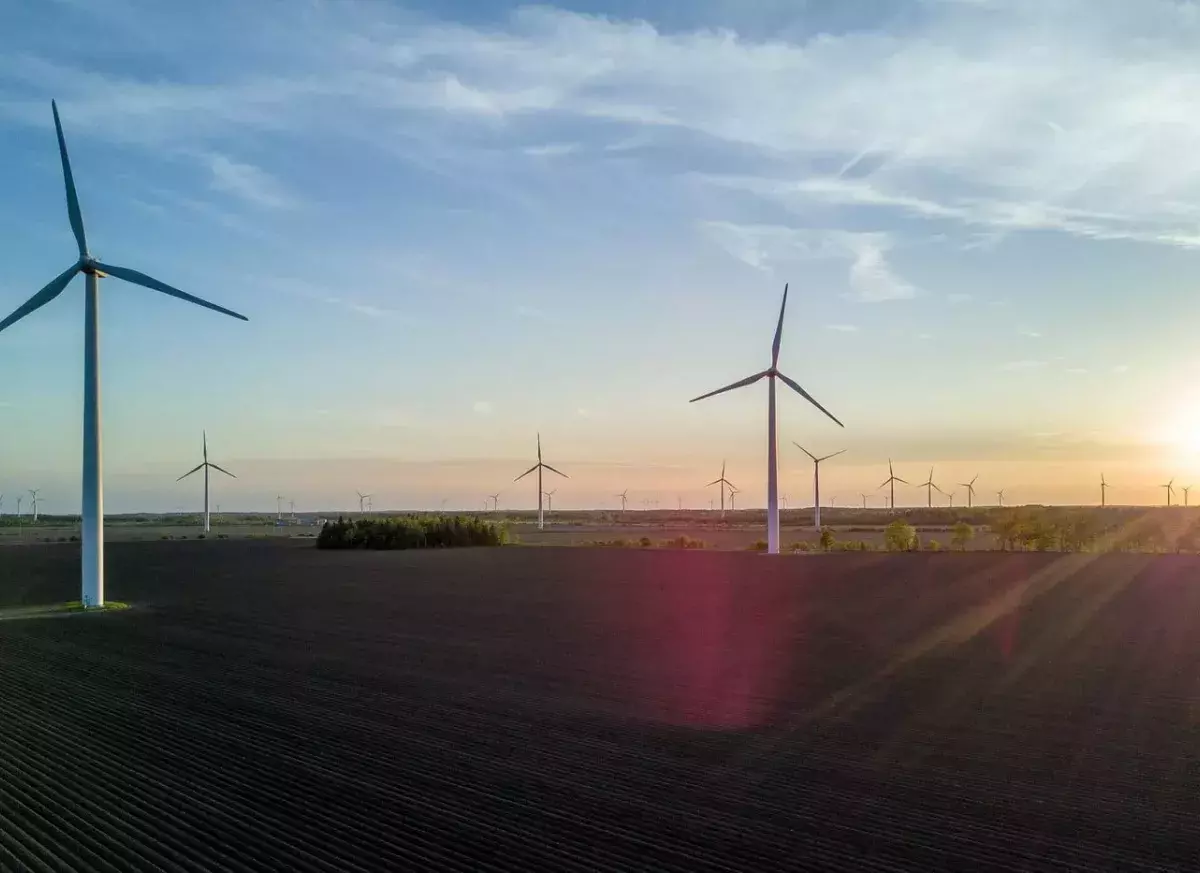
Green investment works: world-first systematic review shows positive economic outcomes in green government spending
A new Oxford report reveals green government investments are demonstrably superior to dirty investment options; they can be faster, create more jobs and boost economic growth.

Study: Green government investments drive quicker and bigger rewards than spending on fossil fuels
Researchers from the University of Oxford institution parsed more than 900 papers on the economic characteristics of green spending before concluding there is "strong evidence" that green investments outperform fossil fuel investments in terms of job creation.

MSc student recognised in GreenBiz “30 under 30”
Claudia Herbert Colfer, a student of the Smith School’s MSc in Sustainability, Enterprise and Environment, has been recognised in GreenBiz’s annual “30 under 30” list of sustainability professionals that are helping to build a better future.
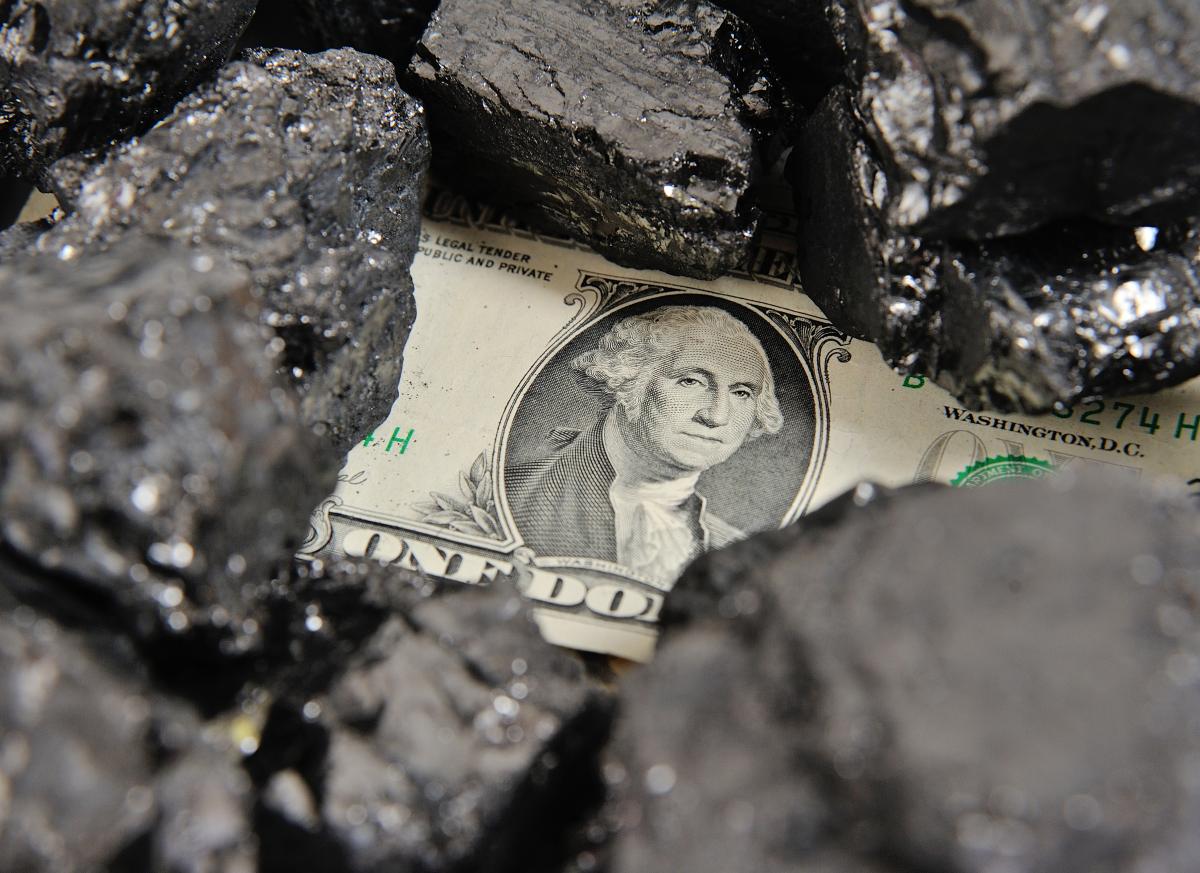
The Great Carbon Arbitrage
Our analysis shows that phasing out coal is not just a matter of urgent necessity to limit global warming to 1.5°C; it is also a source of considerable economic gain, in terms of net benefits, defined as gross benefits minus gross costs.

Give a (Hu)man a fish– a tale of potential sustainability
Give someone fish and they will eat for a day - teach them to fish and they will build fish pens - and eat the ocean away.

Ukraine war, pandemic set to speed Europe's green energy transition, report finds
Most European Union countries have boosted their renewable plans since 2020, putting them on course to cut fossil fuel use this decade as the energy and COVID-19 crises have spurred, not derailed their green transition, Reuters reports.
"The recovery has been wildly inconsistent around the world," said Brian O'Callaghan, lead researcher at Oxford University's Economic Recovery Project, pointing to Australia, China and India as having relatively small shares of green COVID-19 recovery spending.

The problem of global energy inequity, explained by American refrigerators
"As renewables grow more widespread and affordable, it’s becoming increasingly possible to balance growth with sustainability. For cooling in India, Oxford University sustainable development expert Radhika Khosla told me, passive cooling methods, such as shading, natural ventilation, green roofs or reflective white roofs, and changing working schedules and hydration practices when possible will continue to be vital for people who can’t afford air conditioners or work most of the day outdoors."