
News

COP27 must deliver fast action, swift justice and protect nature
In a series of powerful 'hopes' for Egypt, 20 leading researchers from across the University have recorded wishes and warnings in videos and written messages for the delegates to COP27.

Copernicus Sentinel satellites help to spur green financial investments
The Spatial Finance Initiative (part of the Oxford Sustainable Finance Group) is working to unleash the enormous potential of Earth observation data and machine learning techniques, transforming the availability of information in the financial system.

Big Banks and U.N. Green Finance Group Clash in Alliance
Ben Caldecott, Director of the Oxford Sustainable Finance Group, speaks to The Wall Street Journal about the Glasgow Financial Alliance for Net Zero (GFANZ).

Big businesses are told: Your ‘greenwash’ tactics won’t wash
Speaking to The Times, Ben Caldecott, Director of the Oxford Sustainable Finance Group, comments on the Glasgow Financial Alliance for Net Zero (GFANZ) and the pitfalls of net-zero portfolio decarbonisation.
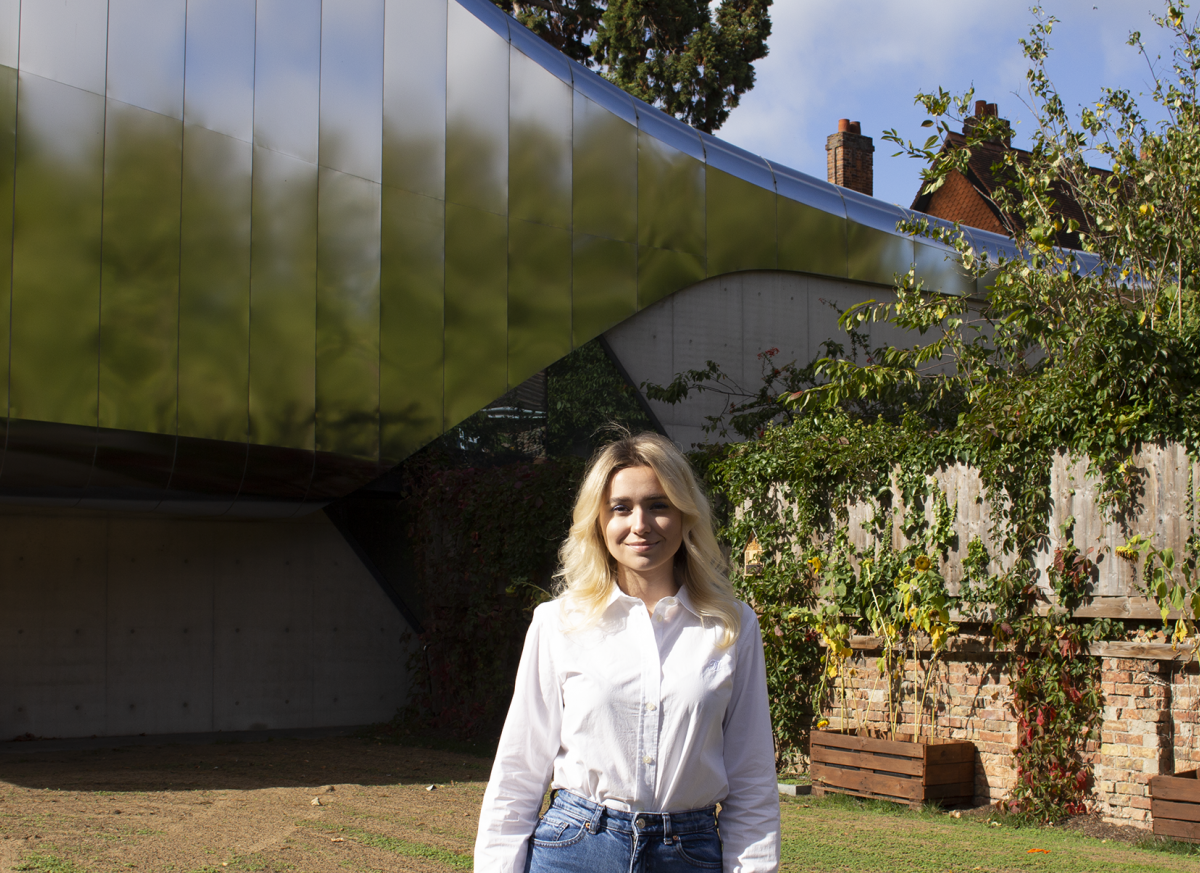
From green politics in Ukraine to the Smith School MSc
Having received a scholarship for Ukrainian Refugees, Anastasiia has enrolled onto the Oxford Smith School’s MSc in Sustainability, Enterprise and the Environment to strengthen her knowledge of climate change science, enterprise and policy.

Sustainable investing and generating returns go hand-in-hand
At the University of Oxford’s World Forum on Enterprise and the Environment, Hubert Keller, Lombard Odier’s Senior Managing Partner, told an audience of world-leaders in policy, academia and business that the financial industry’s approach to sustainable investing needs a radical overhaul.
Africa needs country-specific narratives for a clean energy future
Ahead of COP27, academics from 50 institutions have called for a shift in how politicians, funders and researchers think about the clean energy transition in the African continent, as a new study highlights radically different energy needs across countries.

New Food Frontier: What These Influential Women in Food Think of Alternative Protein
Dr Roberta Franchi, who leads a research project on alternative proteins at the University of Oxford, speaks with Impakter about investment opportunities, future demand and the start-up ecosystem.
Barclays and Oxford University announce 3-year agri-climate partnership
Barclays announces a three-year partnership with Oxford University’s Sustainable Finance Group (OxSFG) and the UK Centre for Greening Finance and Investment (CGFI).
When Climate Collaboration Is Treated as an Antitrust Violation
In the Harvard Business Review, Smith School DPhil candidate Matteo Gasparini, Knut Haanaes, and Peter Tufano, former dean of the Saïd Business School, share their thoughts on the legality and legal pressures of business climate collaborations.

Banks Try Quiet Quitting on Net Zero
Ben Caldecott, Director of the Oxford Sustainable Finance Group, speaks to Bloomberg Green about the Glasgow Financial Alliance for Net Zero (GFANZ).
Pinsent Masons wins Sustainable Business of Law award
To advance the aim of building a business of climate and sustainability conscious colleagues, the firm partnered with the University of Oxford Smith School of Enterprise and the Environment to deliver the Climate and Sustainability Accelerator Programme.